Bitcoin Drops Below $64,000 as U.S. Strikes on Iran and Trump's China Comments Fuel Panic
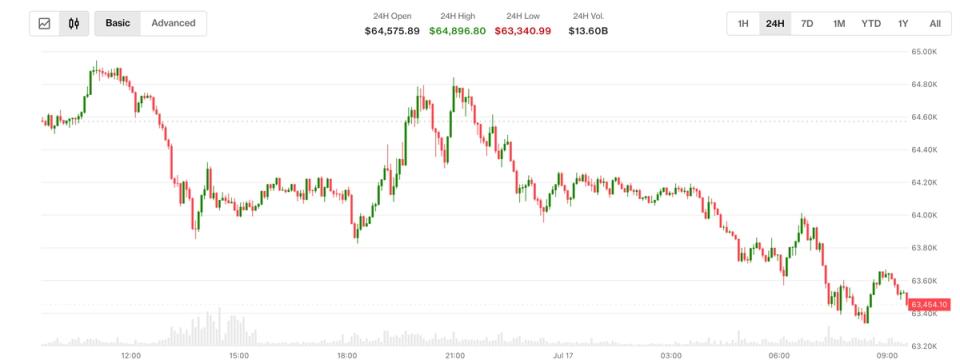
Bitcoin has tumbled below the $64,000 mark as geopolitical tensions escalate following new U.S. strikes on Iran. This sudden downturn highlights how global instability and heightened risk aversion are directly impacting the cryptocurrency market and broader risk assets.
Adding to the volatility, recent comments from Donald Trump regarding China have stoked fears of renewed U.S.-China frictions. As investors brace for potential trade wars or diplomatic fallout, the uncertainty is driving a flight from volatile assets, leaving Bitcoin and other digital assets struggling to maintain support levels.
This is a summarized and adapted version by Artificial Intelligence. To read the complete original story, visit the official source.
Read Full Article at CoinDeskSupport Jornal Bitcoin
Independent journalism, curated by AI, no clickbait. Keep the flame alive with any amount of BTC.
jonata@walletofsatoshi.comDaily Crypto Brief 📬
Subscribe to receive the curation of the most important Bitcoin and crypto news, summarized by AI. No spam.
Join more than 10,000 smart readers.
Related News
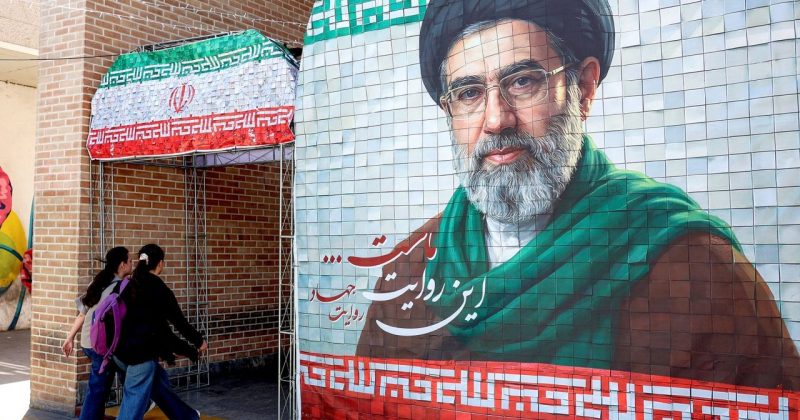
Geopolitical Shockwave: US Strikes in Iran Trigger Bitcoin Sell-off and Massive Liquidations
As the market reacts to the conflict, Bitcoin has dropped over 2%, leading to a staggering $350M in liquidations. Adding to the complexity, the US Treasury has frozen $344M in Iranian crypto assets, marking a significant intersection between military conflict and global financial warfare.

DeFi Alert: How 'Toxic Pools' Are Trick-Quoting Ethereum and Polygon Users
By employing a 'Jekyll and Hyde' tactic, these malicious actors exploit the very infrastructure traders rely on to verify their moves. This shift from traditional smart contract exploits to simulation manipulation poses a significant risk to DeFi security, highlighting a critical vulnerability in how users interact with decentralized exchanges and transaction simulators.
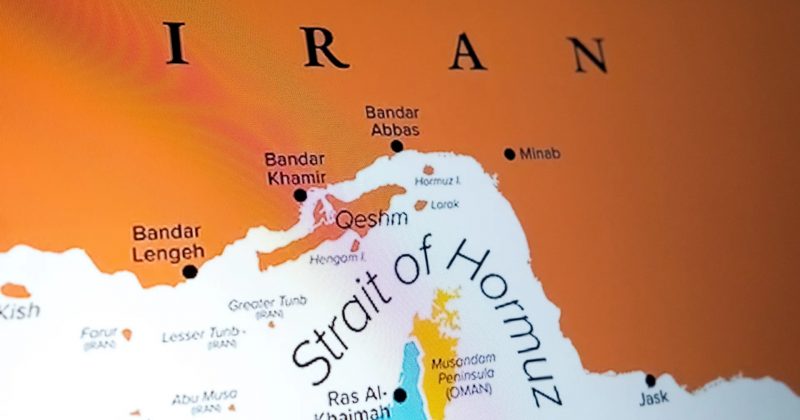
Geopolitical Flashpoint: US-Iran Strikes in Strait of Hormuz Send Markets on Edge
Amidst the kinetic conflict, a strategic layer emerges regarding a potential US-Iran deal involving reconstruction funding slated for 2026, currently sitting at a 26.5% approval threshold. The interplay between immediate military strikes and these long-term diplomatic frameworks will dictate the trajectory of global market volatility.

Trump-Backed CLARITY Act Moves Forward Despite Total Democratic Opposition
With Democrats explicitly stating they will not support the current draft, the bill faces a steep uphill battle. To succeed, the legislation requires at least 7 Democratic votes, a threshold that currently seems impossible to reach, signaling a period of intense political friction regarding crypto regulation and legislative strategy.
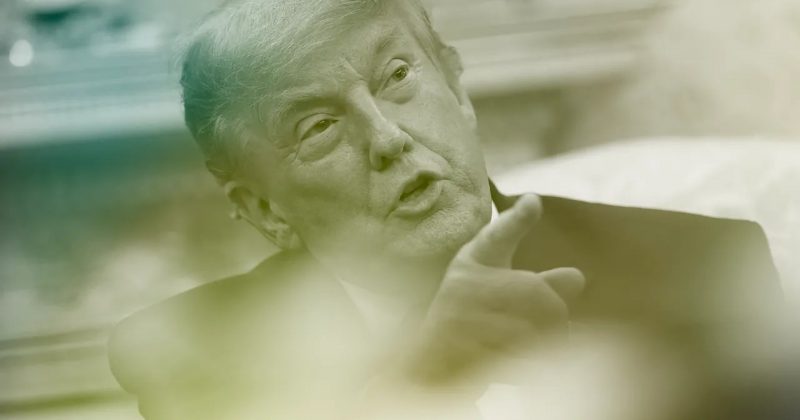
Trump Accuses China of 2020 Election Interference, Threatening Trade Truce
As the diplomatic landscape shifts, the impact on global trade remains uncertain. Market analysts are closely monitoring the situation, noting that a potential visit by Xi Jinping to the US before 2027—currently projected at an 89% probability—could be the decisive factor in preventing a full-scale trade war.

Bitcoin Civil War? Ordinals Dev Proposes '$DOG Mode' Client to Bypass Bitcoin Core Limits
By lowering the dust limit to just 1 satoshi, $DOG Mode seeks to empower users to move fungible and non-fungible tokens without the friction imposed by current protocols. While critics label these activities as 'spam,' Leonidas argues that economic incentives will eventually force the network to stop gatekeeping valid transactions. This development could fundamentally shift Bitcoin's role from a simple store of value to a versatile platform for digital assets.
