Bill Miller’s Warning: How the $1.9T US Deficit Makes Bitcoin a Fundamental Necessity

Legendary investor Bill Miller is highlighting a powerful fundamental case for Bitcoin as the US deficit climbs to a staggering $1.9 trillion. As fiscal risks mount, Bitcoin’s role as a hedge against currency debasement becomes increasingly critical for preserving wealth.
This massive fiscal expansion is expected to drive significant institutional interest, positioning Bitcoin as a strategic alternative to fiat. While regulatory hurdles remain a factor, the underlying economic pressure suggests that the demand for decentralized scarcity is only just beginning.
Bill Miller highlights a strong fundamental case for Bitcoin amid the $1.9T US deficit. Bitcoin's appeal as a hedge against currency debasement grows amid rising fiscal risks, potentially increasing institutional interest despite ongoing regulatory hurdles.
This is a summarized and adapted version by Artificial Intelligence. To read the complete original story, visit the official source.
Read Full Article at Crypto BriefingSupport Jornal Bitcoin
Independent journalism, curated by AI, no clickbait. Keep the flame alive with any amount of BTC.
jonata@walletofsatoshi.comDaily Crypto Brief 📬
Subscribe to receive the curation of the most important Bitcoin and crypto news, summarized by AI. No spam.
Join more than 10,000 smart readers.
Related News

Battle for Sovereignty: Bitcoin Policy Institute Challenges NYC Self-Custody Ruling
Beyond the local courtroom, the consequences of this case could reshape Bitcoin ownership laws nationwide. A ruling against self-custody would trigger massive regulatory shifts, potentially undermining the core tenets of decentralization and the legal security of crypto holders across the United States.

“Bitcoin Is Over”: Former Google and Meta Engineer Warns of Quantum and Miner 'Time Bombs'
These 'time bombs' highlight a critical tension between technological progress and blockchain security. As quantum computing threatens to break current cryptographic standards, the shifting economic landscape for miners poses a direct challenge to network stability, forcing the crypto community to confront the long-term viability of Bitcoin's current architecture.

Bitcoin in the Strait of Hormuz? Qatar Joins Iran-Oman Talks with Crypto Transit Fee Proposal
While these discussions aim to stabilize global oil markets, the integration of Bitcoin could trigger a ripple effect across the broader crypto markets. A shift in how regional powers demand and utilize digital assets may reduce specific liquidity patterns, while simultaneously inviting intense regulatory scrutiny from global financial authorities regarding the use of decentralized assets in strategic trade routes.
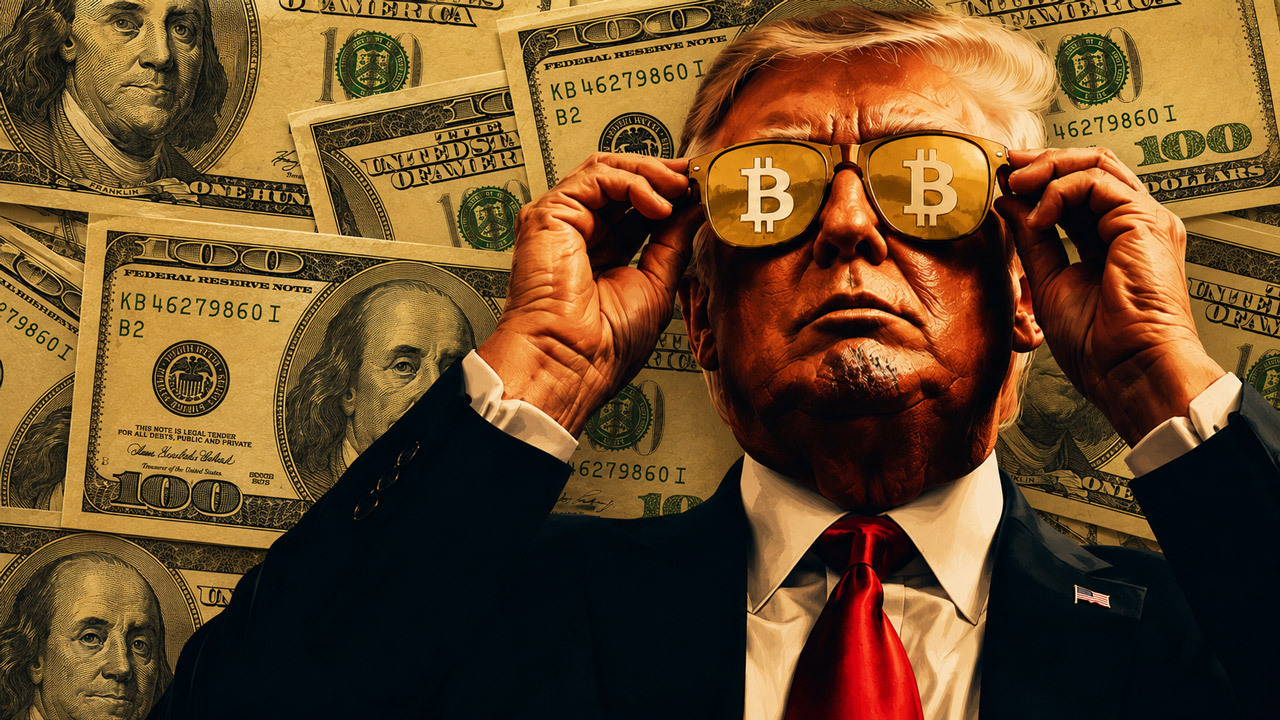
Trump’s Crypto Disclosure: A Massive Institutional Risk Markets Are Already Pricing In
This isn't just about one politician; it's about a structural shift where crypto can transform political access and branded token symbolism into market value almost instantly. As regulatory attitudes become intertwined with personal wealth, the institutional implications for market stability and crypto governance are profound.
Crypto IPO Drought: Why Capital is Pivoting to AI Amid Macro Uncertainty
As macro uncertainty continues to weigh heavily on global markets, the liquidity required for successful public listings is being diverted elsewhere. This shift creates a challenging environment for crypto firms, forcing them to contend with a landscape where capital is increasingly scarce and risk appetite is concentrated in the AI sector.

Barcelona’s Defensive Shake-up: A Potential Catalyst for Fan Token Markets
As the club adjusts its defensive strategy, the resulting impact on fan tokens could trigger significant market movements. Investors should monitor how these sporting changes influence the sentiment and value of blockchain-based fan engagement assets, marking a pivotal moment for the intersection of sports and crypto.
