AI Memory Wars: Samsung, SK Hynix, and Micron Control 90% of Global DRAM Market
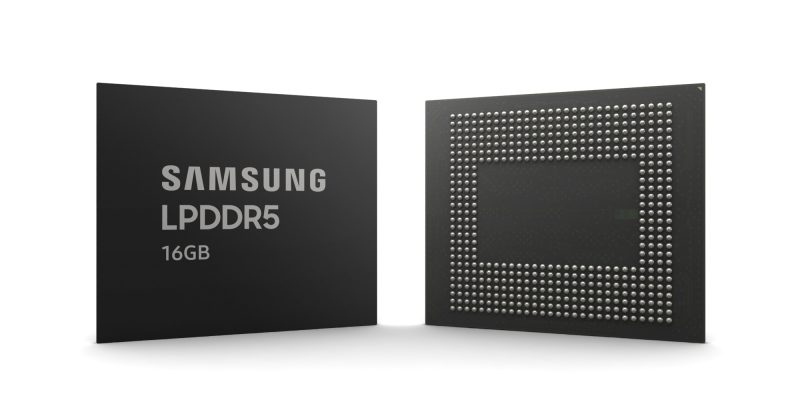
A massive oligopoly has emerged in the semiconductor landscape, with Samsung, SK Hynix, and Micron controlling a staggering 90% of the global DRAM market. As the AI memory wars heat up, these three giants are positioning themselves as the sole gatekeepers of the high-performance memory essential for next-generation computing.
This extreme market concentration poses significant risks, including potential price hikes and severe supply constraints across the tech ecosystem. For industries heavily reliant on memory advancements to fuel AI scaling, this dominance could lead to critical bottlenecks in hardware availability and increased operational costs.
The DRAM market is witnessing a tightening grip by a trio of industry titans: Samsung, SK Hynix, and Micron. Together, they command 90% of the global market share, a dominance that is being tested and amplified by the surging demand for AI-capable hardware.
This oligopolistic structure is expected to trigger volatility in the tech sector. As the AI memory wars intensify, the industry faces the dual threat of rising costs and supply shortages, which could hamper the rapid deployment of advanced technological infrastructures worldwide.
This is a summarized and adapted version by Artificial Intelligence. To read the complete original story, visit the official source.
Read Full Article at Crypto BriefingSupport Jornal Bitcoin
Independent journalism, curated by AI, no clickbait. Keep the flame alive with any amount of BTC.
jonata@walletofsatoshi.comDaily Crypto Brief 📬
Subscribe to receive the curation of the most important Bitcoin and crypto news, summarized by AI. No spam.
Join more than 10,000 smart readers.
Related News
Follow the Money: SK Hynix’s Massive $26.5B US Listing Reveals the Real AI Gold Mine
This landmark move is actively reshaping the memory chip market, as the industry pivots to meet the unprecedented requirements of high-performance computing. As AI integration deepens across all sectors, the success of SK Hynix highlights that the most critical bottleneck—and therefore the most lucrative opportunity—lies in the specialized semiconductor infrastructure driving the AI revolution.

Liquidity War: CoreWeave’s $20 Billion Funding Surge Signals Major Threat to Bitcoin
This shift suggests a significant reallocation of institutional and retail interest. As the demand for AI-driven hardware skyrockots, the Bitcoin network must navigate a landscape where liquidity is being diverted toward the massive infrastructure requirements of the artificial intelligence revolution.

AI Shield: Ethereum Foundation Deploys Intelligent Agents to Hunt Bugs Before Hackers Strike
By integrating these AI agents into the ETH network, the ecosystem aims to significantly reduce the risk of smart contract exploits and large-scale hacks. This evolution in cybersecurity sets a new benchmark for protecting digital assets and ensuring the long-term resilience of the Ethereum blockchain.

Pivot to AI: Bitcoin Treasury Firm Empery Digital Sells Off Half of BTC Holdings
By liquidating its BTC holdings, the company aims to secure the necessary capital to fuel its transition into the artificial intelligence infrastructure space. This pivot highlights the growing tension between pure crypto-treasury models and the massive capital demands of the burgeoning AI revolution.

Robinhood Unleashes AI Agent Trading for Millions of US Users
This shift is expected to drive a surge in market participation and trading volumes, fundamentally reshaping the retail landscape. As AI agents become more prevalent, Robinhood's move signals a major evolution in revenue models and sets a new benchmark for how technology-driven platforms interact with global financial markets.

Privacy vs. Surveillance: Meta Tests 'Always-On' AI Glasses with Super-Sensing Tech
To address growing ethical concerns, Meta is simultaneously rolling out new privacy safeguards designed to protect user data. However, the industry remains skeptical about whether these measures can truly offset the risks posed by devices capable of constant environmental sensing and data collection.
