Follow the Money: SK Hynix’s Massive $26.5B US Listing Reveals the Real AI Gold Mine
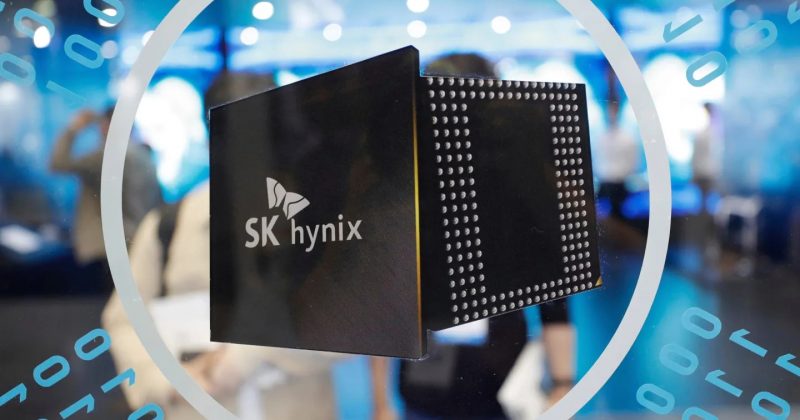
SK Hynix has executed a historic $26.5 billion US listing, sending a definitive signal to global markets regarding the trajectory of institutional capital. This massive influx of liquidity underscores the escalating demand for AI technologies, proving that the real money is flowing directly into the hardware backbone required to power the next generation of intelligence.
This landmark move is actively reshaping the memory chip market, as the industry pivots to meet the unprecedented requirements of high-performance computing. As AI integration deepens across all sectors, the success of SK Hynix highlights that the most critical bottleneck—and therefore the most lucrative opportunity—lies in the specialized semiconductor infrastructure driving the AI revolution.
SK Hynix's historic $26.5B US listing underscores the escalating demand and massive investment in AI technologies, fundamentally reshaping the memory chip market. This strategic move highlights that the core of the AI boom is rooted in the hardware capacity required to support advanced neural networks. As the demand for high-performance memory chips continues to surge, SK Hynix's market entry serves as a bellwether for where the next wave of technological wealth will be concentrated.
This is a summarized and adapted version by Artificial Intelligence. To read the complete original story, visit the official source.
Read Full Article at Crypto BriefingSupport Jornal Bitcoin
Independent journalism, curated by AI, no clickbait. Keep the flame alive with any amount of BTC.
jonata@walletofsatoshi.comDaily Crypto Brief 📬
Subscribe to receive the curation of the most important Bitcoin and crypto news, summarized by AI. No spam.
Join more than 10,000 smart readers.
Related News

Wall Street Revolution: JPMorgan Tests AI Agents for Dynamic Investment Strategies
The impact of this shift could be monumental, potentially reshaping the entire landscape of institutional finance. As AI agents begin to challenge traditional investment models, the financial industry faces a critical turning point where technological supremacy will dictate the future of global asset management.

FIFA's Silent Pivot: Crypto Partnerships Surge as World Cup Job Growth Stalls
This strategic shift suggests that while traditional job growth remains muted, the integration of digital assets is becoming a priority. FIFA's crypto ventures are poised to set a massive precedent for digital innovation, potentially reshaping how global sports entities engage with blockchain technology and decentralized finance.

Liquidity War: CoreWeave’s $20 Billion Funding Surge Signals Major Threat to Bitcoin
This shift suggests a significant reallocation of institutional and retail interest. As the demand for AI-driven hardware skyrockots, the Bitcoin network must navigate a landscape where liquidity is being diverted toward the massive infrastructure requirements of the artificial intelligence revolution.

AI Shield: Ethereum Foundation Deploys Intelligent Agents to Hunt Bugs Before Hackers Strike
By integrating these AI agents into the ETH network, the ecosystem aims to significantly reduce the risk of smart contract exploits and large-scale hacks. This evolution in cybersecurity sets a new benchmark for protecting digital assets and ensuring the long-term resilience of the Ethereum blockchain.

Pivot to AI: Bitcoin Treasury Firm Empery Digital Sells Off Half of BTC Holdings
By liquidating its BTC holdings, the company aims to secure the necessary capital to fuel its transition into the artificial intelligence infrastructure space. This pivot highlights the growing tension between pure crypto-treasury models and the massive capital demands of the burgeoning AI revolution.

Robinhood Unleashes AI Agent Trading for Millions of US Users
This shift is expected to drive a surge in market participation and trading volumes, fundamentally reshaping the retail landscape. As AI agents become more prevalent, Robinhood's move signals a major evolution in revenue models and sets a new benchmark for how technology-driven platforms interact with global financial markets.
