Privacy vs. Surveillance: Meta Tests 'Always-On' AI Glasses with Super-Sensing Tech

Meta is pushing the boundaries of wearable tech by testing an 'always-on' super-sensing AI glasses prototype, a move that signals a massive leap in artificial intelligence integration. This development highlights the critical tension between cutting-edge innovation and the looming threat of pervasive surveillance.
To address growing ethical concerns, Meta is simultaneously rolling out new privacy safeguards designed to protect user data. However, the industry remains skeptical about whether these measures can truly offset the risks posed by devices capable of constant environmental sensing and data collection.
Meta's latest updates to its AI glasses highlight the delicate balance between implementing privacy safeguards and the potential for pervasive surveillance. By testing an always-on 'super-sensing' prototype, the company is sparking intense ethical debates regarding the future of privacy in an era of constant AI monitoring.
This is a summarized and adapted version by Artificial Intelligence. To read the complete original story, visit the official source.
Read Full Article at Crypto BriefingSupport Jornal Bitcoin
Independent journalism, curated by AI, no clickbait. Keep the flame alive with any amount of BTC.
jonata@walletofsatoshi.comDaily Crypto Brief 📬
Subscribe to receive the curation of the most important Bitcoin and crypto news, summarized by AI. No spam.
Join more than 10,000 smart readers.
Related News

Pivot to AI: Bitcoin Treasury Firm Empery Digital Sells Off Half of BTC Holdings
By liquidating its BTC holdings, the company aims to secure the necessary capital to fuel its transition into the artificial intelligence infrastructure space. This pivot highlights the growing tension between pure crypto-treasury models and the massive capital demands of the burgeoning AI revolution.

Robinhood Unleashes AI Agent Trading for Millions of US Users
This shift is expected to drive a surge in market participation and trading volumes, fundamentally reshaping the retail landscape. As AI agents become more prevalent, Robinhood's move signals a major evolution in revenue models and sets a new benchmark for how technology-driven platforms interact with global financial markets.
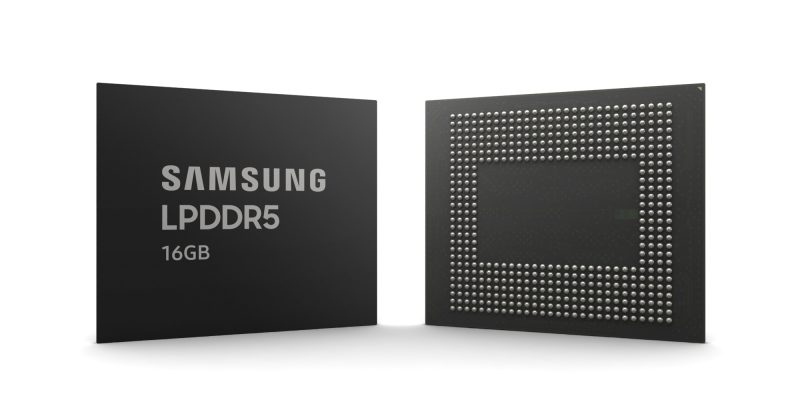
AI Memory Wars: Samsung, SK Hynix, and Micron Control 90% of Global DRAM Market
This extreme market concentration poses significant risks, including potential price hikes and severe supply constraints across the tech ecosystem. For industries heavily reliant on memory advancements to fuel AI scaling, this dominance could lead to critical bottlenecks in hardware availability and increased operational costs.

Palladium Alert: Bearish Pressure Mounts as Falling Wedge Resistance Holds Firm
This sustained bearish pressure suggests that Palladium may be headed for a deeper correction if current resistance levels remain unbroken. Traders should closely monitor price action, as the failure to break this technical pattern indicates a persistent downtrend that could drive increased volatility across the sector in the near term.

Tech War: Apple Sues OpenAI Over Alleged Trade Secret Theft in Hardware Push
This lawsuit could redefine corporate partnerships and competitive boundaries across the entire tech industry. The implications extend far beyond a single legal battle, potentially reshaping future industry collaborations and the global mobility of top-tier AI talent.

Grok 4.5 Climbs to 2nd on APEX-SWE Leaderboard as AI Coding War Escalates
As Grok 4.5 disrupts the status quo, enterprises are being forced to reassess their model deployment strategies. The evolving benchmark standards and shifting cost dynamics are now central pillars for companies looking to integrate high-performance AI into their development workflows.
