XRP's Unstoppable Streak: The Only Altcoin to Rival Bitcoin's Longevity for 13 Years
XRP has solidified its position at the summit of the crypto market, maintaining its spot in the Top 10 by market capitalization for 13 consecutive years. This feat places the asset in an incredibly prestigious tier, standing alongside Bitcoin as one of the most resilient forces in the digital ecosystem.
While most altcoins vanish during bear markets, the longevity of XRP demonstrates unprecedented institutional-grade survival. This track record of consistency reinforces the asset's importance for investors seeking long-term relevance and stability within the cryptocurrency sector.
XRP has achieved a historic milestone that few assets have ever reached: staying in the list of the top 10 cryptocurrencies in the world for 13 straight years. Standing next to Bitcoin, XRP distinguishes itself in a prestigious list that separates fleeting projects from the true pillars of the market. While the altcoin landscape is characterized by extreme volatility and projects that emerge and disappear, XRP's resilience proves its ability to adapt and survive through more than a decade of market cycles.
This is a summarized and adapted version by Artificial Intelligence. To read the complete original story, visit the official source.
Read Full Article at CryptoPotatoSupport Jornal Bitcoin
Independent journalism, curated by AI, no clickbait. Keep the flame alive with any amount of BTC.
jonata@walletofsatoshi.comDaily Crypto Brief 📬
Subscribe to receive the curation of the most important Bitcoin and crypto news, summarized by AI. No spam.
Join more than 10,000 smart readers.
Related News

Geopolitical Shockwave: US Moves Aircraft to Israel as Bitcoin Slips Toward $63K
As digital assets face downward pressure, the energy sector is seeing a divergent trend with oil prices rising toward higher levels. The interplay between military movements in the Middle East and crypto market volatility highlights the growing sensitivity of Bitcoin to macro-level instability and traditional commodity shifts.
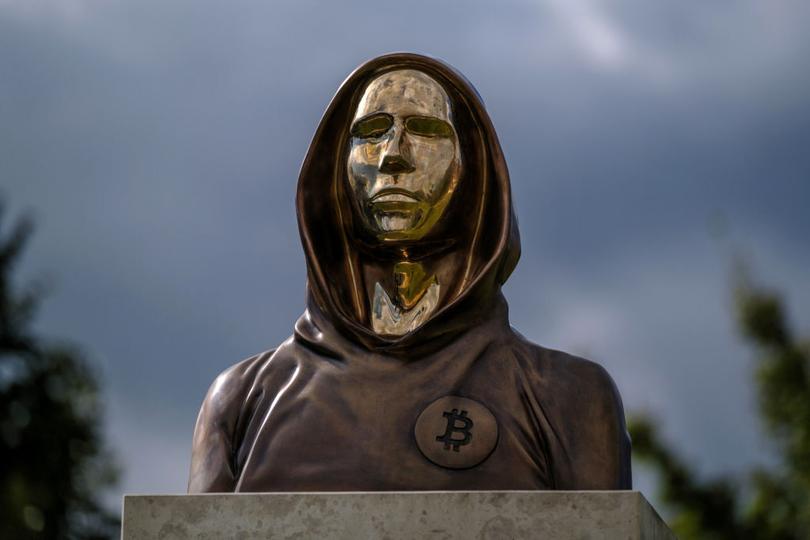
Quantum-Proof Bitcoin? New Recovery Tool Emerges, But Satoshi’s Millions Remain at Risk
While the technology is highly optimized—running in just 243 milliseconds on a standard laptop—it presents a critical catch. This recovery mechanism cannot easily protect legacy assets, meaning Satoshi Nakamoto’s 1.1 million Bitcoins may remain exposed to future quantum attacks, highlighting a permanent divide between modern and ancient Bitcoin holdings.
The Decade-Old Failed Prediction: Why Bitcoin Partnerships Never Arrived
Ten years later, the industry has pivoted, choosing stablecoins over Bitcoin for transactional efficiency. This shift highlights how the demand for price stability and scalability has reshaped the crypto landscape, proving that while the Bitcoin vision was ambitious, the practical reality of digital payments belongs to the stablecoin ecosystem.

Payment Giants Alert: ETA CEO Predicts Surge in Bitcoin Startup Partnerships
The integration of BitPay into the ETA—an organization representing titans like Visa, MasterCard, and PayPal—serves as a critical milestone for institutional adoption. While the ETA maintains a technology-neutral stance, this strategic move highlights how the payments industry is evolving to embrace blockchain-driven innovation and digital assets.
Bitcoin Japan Raises $60M but Only Allocates 7% to Bitcoin Amid Dilution Fears
Investor sentiment is further dampened by alarming projections of share dilution ranging from 95% to 110%. This massive dilution threat is spooking stakeholders, creating significant uncertainty regarding the long-term value proposition and the financial structure of the corporation following this capital raise.
Middle East Crisis: US-Iran Military Escalation Tanks Bitcoin Below $64K
The sudden military friction highlights the sensitivity of the digital asset market to global instability. As the conflict between the US and Iran intensifies, the crypto market faces heightened uncertainty, with investors closely watching how geopolitical shifts will impact liquidity and the broader macroeconomic landscape.
