The Decade-Old Failed Prediction: Why Bitcoin Partnerships Never Arrived

A bold prediction from the Electronic Transactions Association (ETA) back in 2014 has failed to materialize. The ETA's CEO anticipated a massive wave of partnerships between traditional payment firms and Bitcoin startups, but institutional adoption took a completely different trajectory.
Ten years later, the industry has pivoted, choosing stablecoins over Bitcoin for transactional efficiency. This shift highlights how the demand for price stability and scalability has reshaped the crypto landscape, proving that while the Bitcoin vision was ambitious, the practical reality of digital payments belongs to the stablecoin ecosystem.
This is a summarized and adapted version by Artificial Intelligence. To read the complete original story, visit the official source.
Read Full Article at Crypto BriefingSupport Jornal Bitcoin
Independent journalism, curated by AI, no clickbait. Keep the flame alive with any amount of BTC.
jonata@walletofsatoshi.comDaily Crypto Brief 📬
Subscribe to receive the curation of the most important Bitcoin and crypto news, summarized by AI. No spam.
Join more than 10,000 smart readers.
Related News

Bitcoin ETFs Secure Second Straight Green Week, but Ethereum Outperforms
While Bitcoin maintained its upward momentum, Ethereum emerged as the true winner of the week. The outperformance of Ethereum-related products suggests a shifting narrative in the market, as capital flows begin to favor the second-largest cryptocurrency over the traditional Bitcoin dominance.

MicroStrategy Sells Bitcoin: Is Michael Saylor Abandoning the Bull Thesis?
Understanding the implications of this sell-off is vital for investors tracking institutional flows. As the market reacts to these liquidity shifts, the focus remains on whether MicroStrategy will continue to lead the corporate adoption wave or if this signals a broader trend of profit-taking among major holders.

Legal Landmark: UK Courts Weigh Whether Corporate Debts Can Be Settled in Bitcoin
Involving British businessman Hamze, the litigation highlights the friction between existing regulatory structures and the decentralized nature of the crypto ecosystem. A ruling in favor of Bitcoin payments would significantly boost the institutional adoption of cryptocurrencies and validate Bitcoin as a legitimate medium for settling high-value legal liabilities.
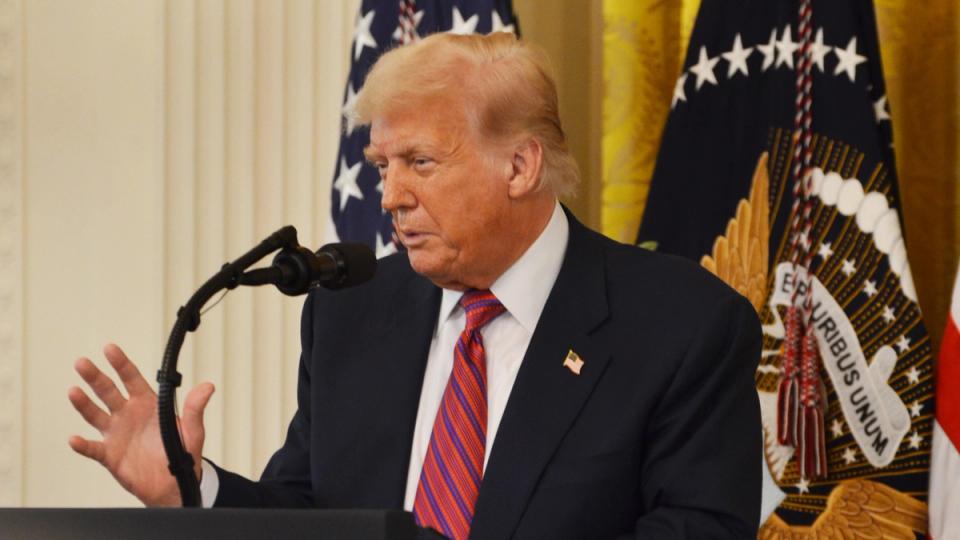
One Year of the GENIUS Act: The New Era of Stablecoin Regulation
Reflecting on a year of impact, it is clear that the GENIUS Act has done more than just provide legal clarity; it has catalyzed stablecoin adoption among major financial players. The continued evolution of this law will dictate the pace of financial innovation and the seamless integration of digital assets into the traditional banking system.

Saylor Unleashes '110 Reasons' Why BIP-110 Fork Could Ruin Bitcoin's Core Principles
The BIP-110 proposal aims to curb Ordinals inscriptions and arbitrary data spam to protect Bitcoin's status as a peer-to-peer cash system. However, Saylor argues that such a move threatens the pillars of neutral rules, hard consensus, and permissionless innovation, sparking a high-stakes battle over the network's technical evolution.

The Digital Infiltration: How Bitcoin and NFTs are Reshaping European Football Transfers
This trend highlights a shift toward on-chain integration and strategic crypto partnerships that influence player movements and club valuations. As blockchain technology matures, the synergy between digital assets and traditional sports management is set to redefine the economic landscape of the football industry.
