XLM Price Prediction: Dead in the Water or Poised for 40% Surge to $0.25?

XLM is currently grinding at $0.18 with momentum completely flatlined and aggressive retail sellers dominating market flow. However, smart money is quietly building long exposure, potentially signaling an imminent reversal for Stellar's price. Analysts are closely watching for signs that XLM may be about to break its tight trading range. This phase of silent accumulation by large investors could precede a significant move in the cryptocurrency market. If the prediction materializes, XLM could test resistance at $0.25, representing a 40% increase from current levels. Traders are alert for potential catalysts such as Stellar network upgrades or strategic partnerships that could accelerate this potential surge.
This is a summarized and adapted version by Artificial Intelligence. To read the complete original story, visit the official source.
Read Full Article at Blockchain.newsSupport Jornal Bitcoin
Independent journalism, curated by AI, no clickbait. Keep the flame alive with any amount of BTC.
jonata@walletofsatoshi.comDaily Crypto Brief 📬
Subscribe to receive the curation of the most important Bitcoin and crypto news, summarized by AI. No spam.
Join more than 10,000 smart readers.
Related News
Ethereum Just Had Its Best Month in a Year: Can ETH Keep Rallying in August?

AVAX Price Prediction: Dead Cat Bounce or Breakout? The $6.84 Level That Could Spark a Rally

South Korea's $10.4B Stablecoin Exodus Rivals Overseas Stock Investments
Cardano Soars 9%, Bitcoin Reclaims $63K After War De-escalation: Weekend Watch

Stablecoins Dominate Brazil's $14.68B Crypto Market as Argentina Pushes Programmable Money
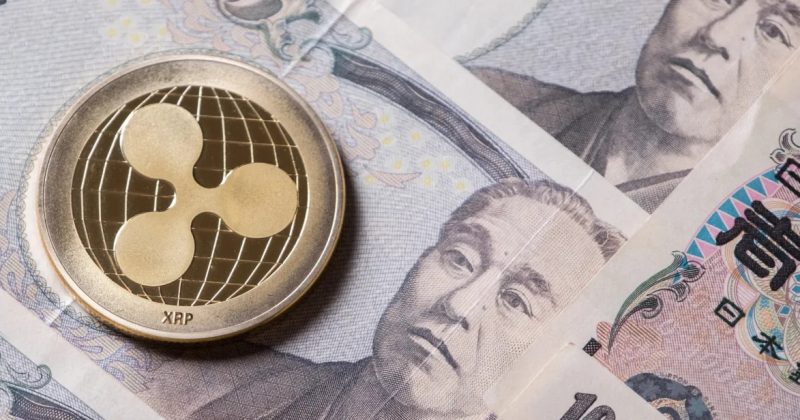
Weakening Yen Sends Japanese Firms Flocking to Bitcoin as Tokyo and Washington Coordinate FX Measures
As Tokyo and Washington coordinate on foreign exchange measures, the underlying weakness of the yen continues to push Japanese firms toward digital alternatives. This migration not only underscores the increasing adoption of Bitcoin by institutional players but also highlights the systemic risks in interconnected financial markets, where currency instability can trigger cross-asset volatility and create new challenges for regulators worldwide.
