CBDC Death Blow? Housing Bill Banning Fed Digital Currency Becomes Law at Midnight
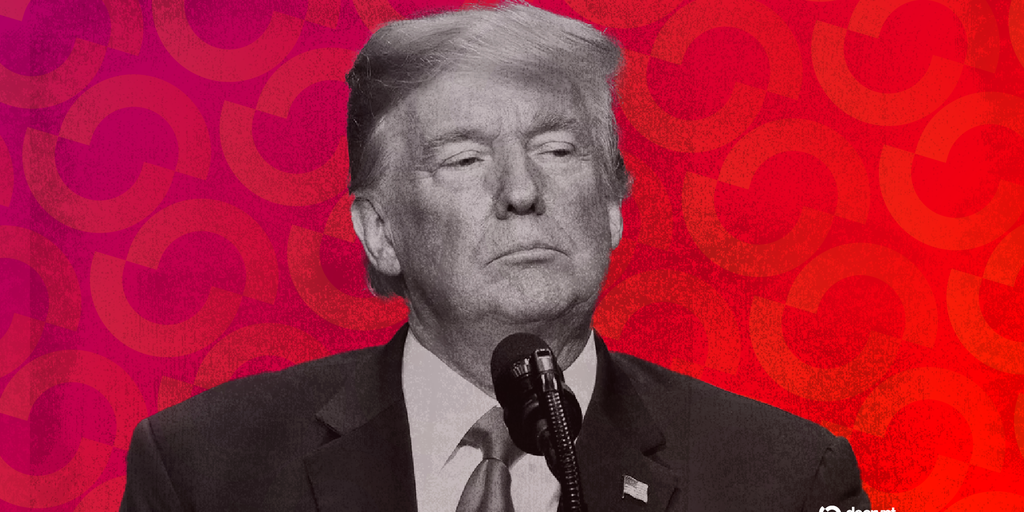
The digital asset landscape faces a seismic shift as a critical housing bill containing a CBDC ban nears automatic enactment. Unless President Trump intervenes with a veto, the legislation will become law at midnight, strictly prohibiting the Federal Reserve from developing a Central Bank Digital Currency until 2031. This represents a massive strategic win for crypto enthusiasts and privacy advocates alike.
By effectively freezing the Fed's ability to launch a state-controlled digital dollar for the next several years, the bill creates a massive vacuum that decentralized assets are poised to fill. The long-term impact on monetary policy and the competition between government-issued digital tokens and private cryptocurrencies cannot be overstated, marking a definitive stand against centralized financial surveillance.
This is a summarized and adapted version by Artificial Intelligence. To read the complete original story, visit the official source.
Read Full Article at DecryptSupport Jornal Bitcoin
Independent journalism, curated by AI, no clickbait. Keep the flame alive with any amount of BTC.
jonata@walletofsatoshi.comDaily Crypto Brief 📬
Subscribe to receive the curation of the most important Bitcoin and crypto news, summarized by AI. No spam.
Join more than 10,000 smart readers.
Related News

Xbox CEO Joins Fed AI Task Force Amidst Massive 3,200 Layoffs
As Xbox undergoes its most significant restructuring ever, including the layoff of 3,200 employees, Sharma's role at the Fed underscores the growing tension between AI integration and workforce stability. The move highlights the urgent need for policymakers to address the socioeconomic consequences of rapid automation in the tech sector.
DOJ Scandal: Inmate Accused of Stealing $290,000 in US Government Confiscated Crypto
This incident highlights significant concerns regarding the security of confiscated cryptocurrency and the potential for internal breaches within the justice system. Iossifov, who was already serving an 111-month sentence, now faces additional charges that underscore the growing challenges in managing high-value crypto assets during legal proceedings.

Missed Opportunity? New Hampshire Council Rejects $100M Bitcoin-Backed Bond Proposal
Critics, including state representative Keith Ammon, have slammed the vote as 'short-sighted,' arguing that the council failed to grasp the long-term potential of Bitcoin-backed assets. The rejection marks a significant setback for proponents of state-level crypto adoption and raises questions about New Hampshire's future role in the evolving digital asset landscape.

Energy Warfare: Ukraine Strikes Russian Refineries and Fuel Tankers in Massive Offensive
Beyond the immediate battlefield, these strikes could exacerbate Russia's fuel shortages and trigger significant volatility in global energy markets. Such geopolitical instability poses a direct risk to crypto mining economics, as energy price fluctuations can drastically alter the profitability and operational landscape of the digital asset sector.

TD Bank Data Breach: Insider Incident Exposes SSNs and Private Account Details
The consequences of this data breach extend beyond immediate privacy concerns, potentially leading to widespread identity theft and long-term financial risk for affected U.S. customers. As regulators investigate the timeline of the unauthorized access, the incident serves as a stark reminder of the growing necessity for robust cybersecurity protocols to combat insider threats in the banking sector.

ETF Exodus: Bitcoin Funds Bleed $95 Million as Ether's Inflow Streak Snaps
Adding to the pressure, Ether ETFs ended a promising five-day inflow streak, posting a $52.08 million exit. With Solana seeing minor redemptions and XRP ETFs showing zero trading activity, the market is closely monitoring these ETF flows to determine if this capital flight is a temporary correction or a broader shift in sentiment.
