DOJ Scandal: Inmate Accused of Stealing $290,000 in US Government Confiscated Crypto
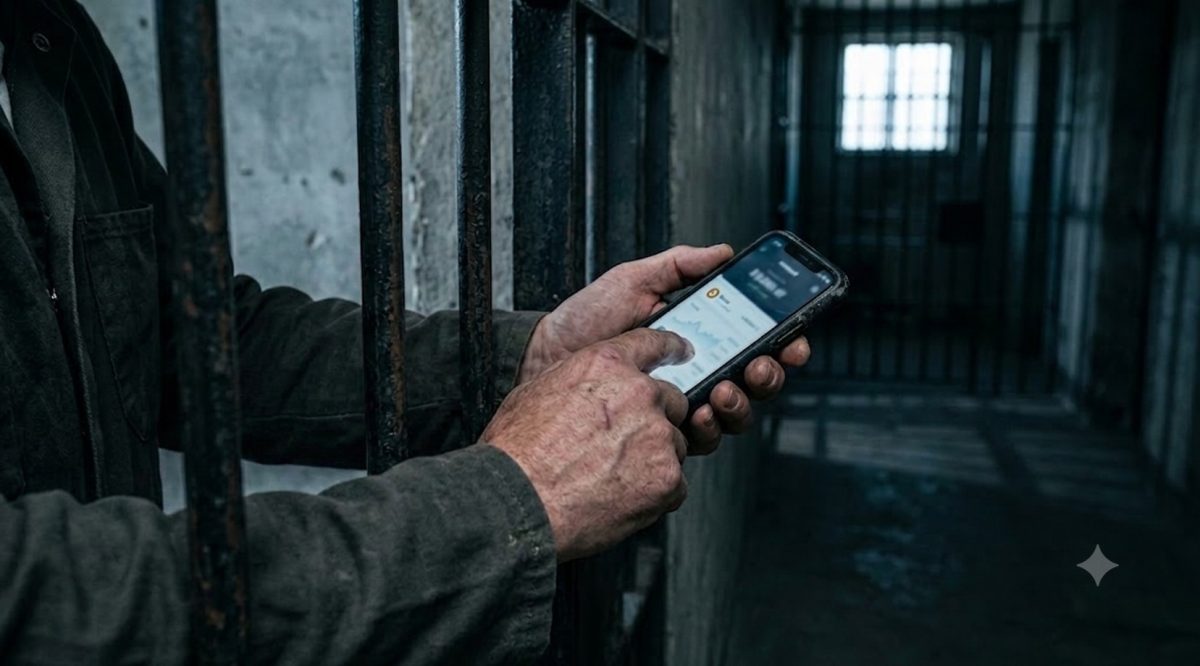
The US Department of Justice has unveiled a shocking indictment against Rossen G. Iossifov, alleging he stole $290,000 in cryptocurrency. These digital assets were not just any funds, but were specifically confiscated by the US government, marking a brazen breach of state-held assets.
This incident highlights significant concerns regarding the security of confiscated cryptocurrency and the potential for internal breaches within the justice system. Iossifov, who was already serving an 111-month sentence, now faces additional charges that underscore the growing challenges in managing high-value crypto assets during legal proceedings.
The case is particularly striking because Iossifov was already incarcerated, serving a sentence of 111 months (just over 9 years). The theft of these digital assets raises urgent questions about the security protocols surrounding seized crypto and the integrity of government-held digital wallets.
This is a summarized and adapted version by Artificial Intelligence. To read the complete original story, visit the official source.
Read Full Article at LivecoinsSupport Jornal Bitcoin
Independent journalism, curated by AI, no clickbait. Keep the flame alive with any amount of BTC.
jonata@walletofsatoshi.comDaily Crypto Brief 📬
Subscribe to receive the curation of the most important Bitcoin and crypto news, summarized by AI. No spam.
Join more than 10,000 smart readers.
Related News

Wells Fargo Imposter Scam Wipes Out Florida Man’s Entire Life Savings of $251,300
This incident highlights the escalating danger of sophisticated social engineering and banking fraud tactics. As scammers refine their ability to mimic official institutions, the impact of these phishing-style attacks can be catastrophic, leaving victims with zero financial security.

Crypto Laundering Fail: US Charges Inmate for Attempting to Steal Seized Kraken Assets
This legal crackdown highlights the increasing difficulty of evading federal authorities through crypto exchanges and mixers. The Department of Justice's intervention serves as a critical reminder that attempting to move crypto assets following a forfeiture order can trigger fresh criminal charges, regardless of existing convictions.
Prison Break via Blockchain? Jailed Fraudster Charged with Moving $290K in Forfeited Crypto
This development underscores the ongoing battle between regulatory authorities and sophisticated bad actors using blockchain technology. As authorities struggle to secure seized digital assets, this case serves as a stark reminder of the technical loopholes and security vulnerabilities that exist within the current framework of crypto asset forfeiture and prison management.

Digital Breach: Federal Inmate Allegedly Moves $290K in Forfeited Crypto from Prison
The incident underscores the evolving landscape of sophisticated financial crimes and the persistent challenges of securing digital assets. As criminals leverage advanced technology to bypass traditional incarceration barriers, the ability to execute high-value blockchain transactions from within a prison cell poses a significant threat to the integrity of legal asset forfeitures.

Millions Stolen: Woman Pleads Guilty in Massive Washington Bank Fraud Scheme
The consequences are particularly severe as the scheme specifically preyed upon the Korean community, with a heavy focus on elderly individuals. This high-stakes bank fraud case highlights the growing danger of predatory investment schemes and the critical need for awareness regarding wire fraud targeting vulnerable demographics.

New York Fraud Ring Indicted: Over $1 Million Stolen via Check Theft Scheme
The 14-count indictment sheds light on the mechanics of this bank fraud ring and the widespread impact of check theft on the financial sector. This crackdown underscores the ongoing battle against organized crime and the critical importance of institutional security in preventing large-scale financial theft.
