XRP Whales Keep Buying the Dip, But Ether Shows Deeper Capitulation

CryptoQuant data reveals that large XRP holders are engaged in "quiet accumulation" during price dips, indicating long-term confidence rather than an imminent breakout. Meanwhile, ether (ETH) is displaying deeper capitulation, with its current price below realized value, meaning many holders are operating at significant loss.
This market dynamic creates an interesting scenario for investors, as the analysis suggests ETH presents the "strongest valuation case" among Bitcoin, Ethereum, and XRP. The discrepancy between XRP whale behavior and ETH holder capitulation may signal a potential turning point for the second-largest cryptocurrency, while XRP shows resilience without an immediate upside breakout signal.
This situation places ETH in an interesting position from a valuation standpoint, making it the "strongest case" among Bitcoin, Ethereum, and XRP. Realized value represents the average price at which coins were last moved, and when the market price falls below this level, it indicates that many holders are operating at a loss. While XRP investors seem to be building positions discreetly, ETH holders appear to be giving up, potentially creating an interesting buying opportunity for analysts who believe in ether's recovery potential.
This is a summarized and adapted version by Artificial Intelligence. To read the complete original story, visit the official source.
Read Full Article at CoinDeskSupport Jornal Bitcoin
Independent journalism, curated by AI, no clickbait. Keep the flame alive with any amount of BTC.
jonata@walletofsatoshi.comDaily Crypto Brief 📬
Subscribe to receive the curation of the most important Bitcoin and crypto news, summarized by AI. No spam.
Join more than 10,000 smart readers.
Related News
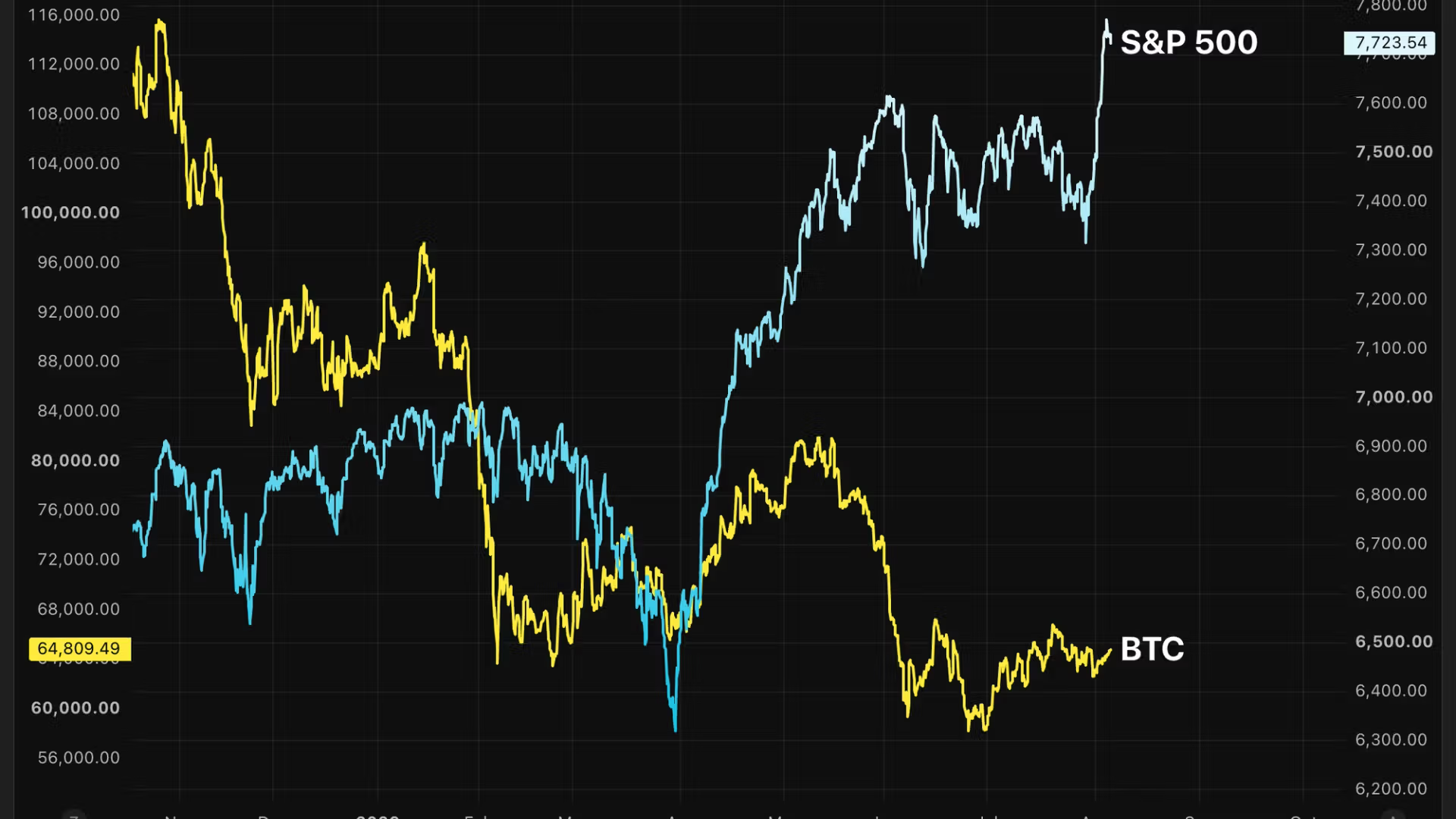
S&P 500 has added crypto's $2 trillion market cap this month. Bitcoin is not impressed. Here's why
Despite the S&P 500's impressive surge, Bitcoin has failed to mirror this momentum, suggesting investors may be differentiating between traditional risk assets and cryptocurrencies. This divergence indicates the crypto market may be operating with its own dynamics, influenced by factors like regulation, institutional adoption, and market sentiment that aren't tied to traditional equity market movements.

EU Watchdogs Warn of Surge in Impersonation Scams Amid MiCA Crackdown
Since the implementation of the MiCA regulation, several EU regulators have reported a significant increase in fraudulent activities. As unauthorized companies are required to wind down or transfer their EU operations, customers are forced to move their assets, creating a prime opportunity for scammers. French regulator AMF has already documented cases where fraudsters posed as officials, directing users to transfer assets through fake websites. This regulatory transition period presents substantial risks for crypto investors across the European Union.
Fed's Cook: Ready to Hike Rates if Inflation Fails to Cool
The Federal Reserve's continued focus on combating inflation sends a clear message to financial markets, particularly to the cryptocurrency sector which has historically struggled with rising interest rates. Cook's statement comes as inflation remains 'too high' above the Fed's target, creating uncertainty about future monetary policy. Crypto investors and market enthusiasts should closely monitor upcoming Fed decisions, as any additional tightening measures could significantly impact digital asset prices and other speculative investments.

Russia's New Odesa Strikes Escalate Black Sea Conflict, Threatening Global Trade

Fed's Cook Signals Rate Hikes Ahead as Inflation Refuses to Cool
Cook's statement comes amid persistent inflation data that continues to challenge central bank expectations. Maintaining higher rates for longer directly impacts borrowing costs, slows economic growth, and introduces volatility into financial markets. For cryptocurrency investors, this scenario increases pressure on assets considered higher-risk, while strengthening the US dollar and reducing appetite for alternatives to the traditional financial system.