EU Watchdogs Warn of Surge in Impersonation Scams Amid MiCA Crackdown

European financial watchdogs are issuing urgent warnings about a surge in impersonation scams targeting crypto customers amid the Markets in Crypto-Assets (MiCA) licensing shakeout. Criminals are deploying fake websites and falsified documents to impersonate both financial regulators and crypto businesses, specifically targeting customers of service providers that failed to secure EU authorization before the July 1 deadline.
Since the implementation of the MiCA regulation, several EU regulators have reported a significant increase in fraudulent activities. As unauthorized companies are required to wind down or transfer their EU operations, customers are forced to move their assets, creating a prime opportunity for scammers. French regulator AMF has already documented cases where fraudsters posed as officials, directing users to transfer assets through fake websites. This regulatory transition period presents substantial risks for crypto investors across the European Union.
This is a summarized and adapted version by Artificial Intelligence. To read the complete original story, visit the official source.
Read Full Article at CoinTelegraphSupport Jornal Bitcoin
Independent journalism, curated by AI, no clickbait. Keep the flame alive with any amount of BTC.
jonata@walletofsatoshi.comDaily Crypto Brief 📬
Subscribe to receive the curation of the most important Bitcoin and crypto news, summarized by AI. No spam.
Join more than 10,000 smart readers.
Related News
"You stole, please return some." Coldcard hacker's wallet becomes a graffiti wall of pleas and hustles
The situation represents a new chapter in crypto security saga, where the transparent nature of blockchain allows for unusual public surveillance. While some leave emotional messages asking for a portion of the money back, others are attempting to negotiate or even exploit the situation for personal gain, highlighting the moral and economic complexities of the cryptocurrency ecosystem.

CEO Spends $10,000 on AI Tokens Hunting Bitcoin Vulnerabilities: The New Crypto Threat Landscape
The search for flaws using AI representation represents a fundamental shift in crypto security, challenging traditional defenses and reshaping financial incentives. As hackers explore Bitcoin vulnerabilities, developers and companies are adopting AI technologies to anticipate threats, creating an emerging market for security tokens and proactive defense solutions in the crypto space.

AI Discovered Critical Coldcard Security Flaw, Leading to Over 1,100 Bitcoin Theft
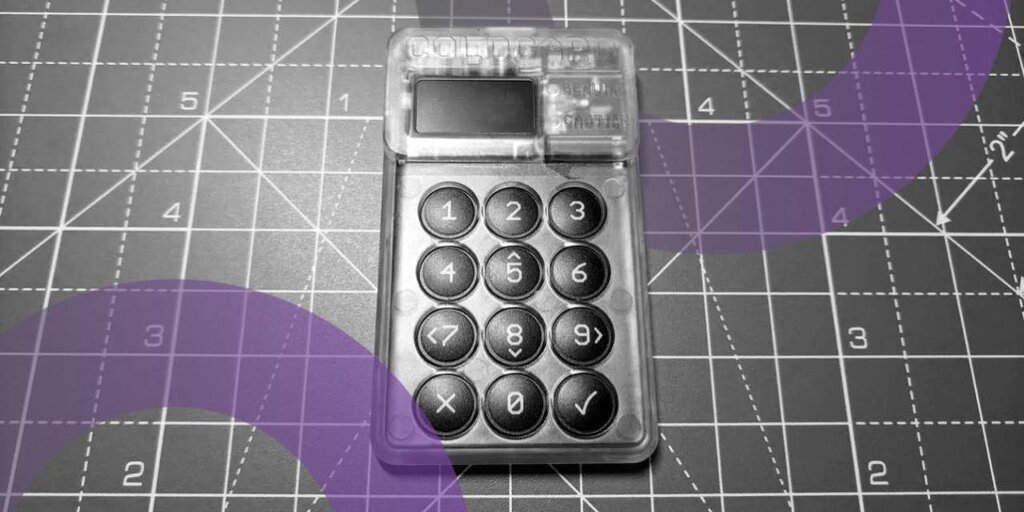
$38M Bitcoin Drain: Coldcard Maker Believes AI Found Critical Key Flaw
This incident highlights the growing security risks in the crypto ecosystem, particularly with AI's advancing capabilities in discovering vulnerabilities. Coinkite has issued an alert to users and is working on a fix, but the case serves as a reminder that even the most secure storage solutions can be compromised. The Bitcoin community is closely monitoring the situation as experts debate the implications of AI-powered attacks on the future of crypto security.

IBM's Quantum Breakthrough Poses Direct Threat to Bitcoin's Cryptography

Ethereum Foundation adds SEAL 911 co-founder to board as privacy focus grows
The board sets the Foundation's vision and oversees whether management's strategies remain aligned with its core values. Described as a 'security council,' the board is responsible for protecting the Foundation's mission and ensuring compliance as a Swiss foundation. This move comes at a critical time as privacy and security concerns become increasingly paramount in the Ethereum ecosystem, reflecting the growing demand for solutions that protect user sovereignty and data protection in an increasingly digital world.
