Wall Street Giants Lobby SEC: Third-Party Tokens Labeled a Risk to Market Integrity
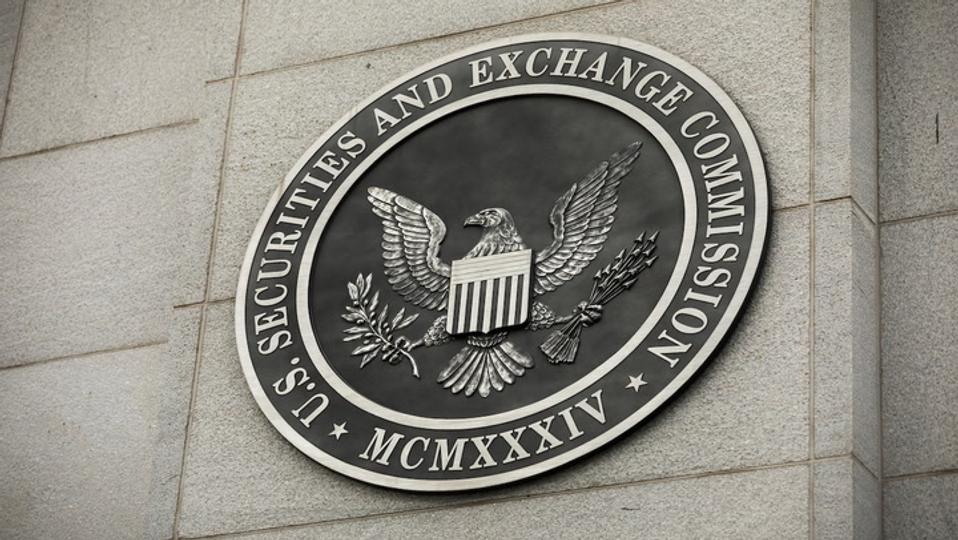
Traditional finance is drawing a line in the sand regarding the digital asset frontier. The Securities Transfer Association (STA) is officially lobbying the SEC, warning that third-party tokenization poses a direct threat to market integrity and institutional stability.
By advocating for preferential treatment for company-authorized tokenization, these transfer agents are seeking to shape future regulatory frameworks. This push aims to ensure that established financial institutions maintain control over the tokenization landscape, potentially sidelining decentralized competitors and third-party issuers.
Wall Street transfer agents are ramping up their lobbying efforts with the Securities and Exchange Commission (SEC). The Securities Transfer Association (STA), an industry group representing transfer agents, has warned that tokens issued by third parties could jeopardize the overall integrity of the financial markets.
The STA argues that future regulatory rules should grant preferential treatment to tokenization processes that are directly authorized by companies. This strategic move highlights the growing tension between traditional financial infrastructure and the burgeoning decentralized tokenization sector, as institutions fight to define the rules of engagement for digital assets.
This is a summarized and adapted version by Artificial Intelligence. To read the complete original story, visit the official source.
Read Full Article at CoinDeskSupport Jornal Bitcoin
Independent journalism, curated by AI, no clickbait. Keep the flame alive with any amount of BTC.
jonata@walletofsatoshi.comDaily Crypto Brief 📬
Subscribe to receive the curation of the most important Bitcoin and crypto news, summarized by AI. No spam.
Join more than 10,000 smart readers.
Related News
Clarity Act Under Fire: Democrats Launch Final Stand Against Trump-Linked Crypto Bill
As the bill faces a do-or-die moment, this legislative friction threatens to derail the regulatory framework. The focus on potential conflicts of interest highlights the growing tension between political wealth and the future of crypto regulation in the United States.
Market Disconnect: Franklin Templeton CIO Warns Crypto Prices Are Ignoring Massive Fundamentals
This gap between market valuation and institutional integration suggests a significant misalignment. As the industry moves toward deeper maturity, the disconnect between current crypto prices and underlying fundamentals could define the next major phase of market movement.
Geopolitical Alert: Trump Notifies Congress of Renewed Military Action Against Iran
Such instability threatens to destabilize regional security and exert massive influence on global markets, potentially triggering high volatility. Market participants are bracing for the consequences of this conflict, as geopolitical risk often drives rapid shifts in both traditional assets and the broader crypto ecosystem.

The Great Convergence: Crypto Exchanges Emerge as the New Distribution Hub for Wall Street Assets
According to CryptoRank data, tokenized assets became the most-listed category across major centralized exchanges in the first half of 2026, accounting for nearly one in every five new listings. This surge highlights the growing dominance of tokenization as a fundamental mechanism for delivering institutional-grade assets to a global, 24/7 digital market.

China Crackdown: New Rules Target Mixers and Privacy Coins as Red Flags for Money Laundering
This strategic move aims to address the global rise in illicit activities by reclassifying privacy-enhancing tools as high-risk markers. As regulators worldwide tighten their grip, China's approach to treating anonymity as a red flag could set a significant precedent for global compliance standards and the future of decentralized finance.

Prediction Market Frenzy: World Cup Markets Surge to $5.81 Billion
This massive capital allocation highlights a significant shift in how digital asset traders interact with real-world events. As liquidity migrates toward World Cup prediction markets, it underscores the growing dominance of event-based trading as a legitimate pillar of the modern financial landscape.
