China Crackdown: New Rules Target Mixers and Privacy Coins as Red Flags for Money Laundering
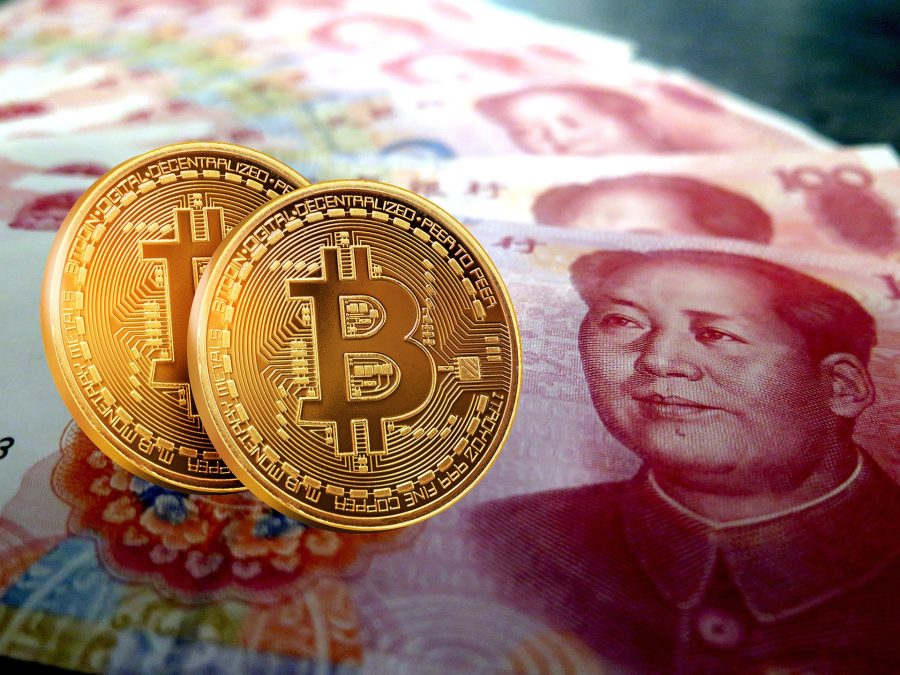
The Chinese government has escalated its regulatory stance with a comprehensive report aimed at curbing money laundering within the crypto ecosystem. The document explicitly identifies the use of mixers, privacy coins, and anonymous wallets as potential indicators of criminal intent, signaling a major shift in how authorities monitor digital asset flows.
This strategic move aims to address the global rise in illicit activities by reclassifying privacy-enhancing tools as high-risk markers. As regulators worldwide tighten their grip, China's approach to treating anonymity as a red flag could set a significant precedent for global compliance standards and the future of decentralized finance.
The Chinese government released an extensive report this Sunday (12th) debating new regulations to combat money laundering involving cryptocurrencies. The text notes that this practice is growing worldwide, necessitating more robust oversight.
A major highlight of the report is the specific mention of mixers, privacy coins, and anonymous wallets. According to the government, the utilization of these tools could be interpreted as evidence of intent to conceal illicit activities, providing authorities with new metrics to identify suspicious financial behavior in the digital space.
This is a summarized and adapted version by Artificial Intelligence. To read the complete original story, visit the official source.
Read Full Article at LivecoinsSupport Jornal Bitcoin
Independent journalism, curated by AI, no clickbait. Keep the flame alive with any amount of BTC.
jonata@walletofsatoshi.comDaily Crypto Brief 📬
Subscribe to receive the curation of the most important Bitcoin and crypto news, summarized by AI. No spam.
Join more than 10,000 smart readers.
Related News

End of the 'Enforcement Era'? SEC's New Agenda Shifts Focus from Lawsuits to Rulemaking
This transition marks a potential turning point for the digital asset market, which has long struggled with regulatory uncertainty. By prioritizing formal rules over sudden litigation, the SEC could foster a more stable and predictable environment for crypto innovation and institutional adoption.
Bolivia May Add Tether’s USDT to Its National Payments System: Report
If the plan moves forward, it could meaningfully boost stablecoin adoption across South America by making transfers and everyday payments faster and more efficient. The proposal also raises the stakes on regulation and compliance, since integrating a crypto asset like USDT into payment rails inevitably brings scrutiny from policymakers and financial authorities.
Trump Escalates CLARITY Act Push to Stop China from Seizing Crypto Dominance
The stakes extend beyond digital assets, as the push for the CLARITY Act is deeply intertwined with the global race for artificial intelligence supremacy. This geopolitical maneuver signals that the battle for crypto dominance is now a central pillar of the broader struggle for technological and economic hegemony between the U.S. and China.

‘Don’t Let China Win’: Trump Urges Senate to Fast-Track Clarity Act
This push for the Clarity Act is framed as a critical defense against Chinese influence in the global financial landscape. By securing legislative certainty, proponents aim to solidify American leadership in blockchain technology and ensure that the United States remains the primary hub for crypto innovation and institutional adoption.
Diplomatic Friction: German Chancellor Demands Talks with China Over Yuan Manipulation
This diplomatic friction carries the potential to reshape EU-China trade dynamics on a massive scale. As the world watches, the outcome of these discussions could significantly influence global economic policies and redefine the geopolitical landscape of international finance.

Massive $400M Crypto Fraud: Goliath Ventures CEO Pleads Guilty to Ponzi Scheme
This legal development underscores the intensifying crackdown on crypto-related crimes by federal authorities. As the case moves toward sentencing, the impact on investor confidence remains significant, serving as a stark reminder of the dangers posed by unregulated investment platforms and sophisticated money laundering operations.
