Livestock on the Blockchain: Brazil Uses Tokenized Cows as Loan Collateral on B3

Brazil is pioneering a new frontier in decentralized finance by using tokenized livestock as collateral for loans on the B3 stock exchange. A recent transaction involving ten dairy cows secured a $19,600 loan, marking a significant milestone for the integration of Real World Assets (RWA) within the traditional financial system.
By leveraging AI-powered smart collars from Cowmed, the deal ensures high-fidelity monitoring of animal health, effectively digitizing biological assets. This synergy between agrotech and blockchain technology, structured by Target FIDC, provides a scalable blueprint for how tokenization can revolutionize agricultural credit and risk management.
Brazil's B3 stock exchange has witnessed a groundbreaking application of blockchain technology in the agricultural sector. A loan of 100,000 Brazilian reais ($19,600) was recently secured by ten dairy cows from Fazenda Engenho Velho in Paraná, valued at approximately $23,500.
Each cow was assigned a unique digital token linked to an encrypted identity, ensuring transparency and traceability. To bolster security, the agrotech firm Cowmed provided AI-powered smart collars to monitor each animal's health in real-time. This integration of IoT and tokenization minimizes the need for physical inspections and sets a new standard for using Real World Assets (RWA) in global credit markets.
This is a summarized and adapted version by Artificial Intelligence. To read the complete original story, visit the official source.
Read Full Article at CoinTelegraphSupport Jornal Bitcoin
Independent journalism, curated by AI, no clickbait. Keep the flame alive with any amount of BTC.
jonata@walletofsatoshi.comDaily Crypto Brief 📬
Subscribe to receive the curation of the most important Bitcoin and crypto news, summarized by AI. No spam.
Join more than 10,000 smart readers.
Related News

RWA Revolution: Real-World Assets Surpass All Other Categories on Hyperliquid
This surge, fueled by US$ 25.1 billion in RWA trading volume, underscores the growing institutional and retail appetite for tokenized assets. According to ARK Invest, Hyperliquid's RWA market alone has outpaced the combined crypto perpetual volume of every other DEX on the market, marking a milestone for the RWA sector.

Is the Memecoin Era Dead? How Institutional Influx is Reshaping Crypto
This institutionalization of digital assets brings a new level of stability and scrutiny to the ecosystem. As major financial players dictate liquidity flows, the chaotic volatility that once fueled the memecoin craze is being replaced by a more structured, professionalized, and fundamental-driven market environment.

The DeFi Institutional Wall: The Battle for RWA Pricing Authority
For these tokenized assets to function as viable collateral in lending markets, the ecosystem must solve the 'oracle problem' for institutional scale. Without reliable pricing mechanisms that remain active even when traditional venues go quiet, the integration of RWA into DeFi remains a high-risk endeavor.

Sui’s Hashi Testnet Goes Live: A Direct Strike at Bitcoin’s $1.4 Trillion Market
By targeting a slice of Bitcoin’s massive $1.4 trillion market, Hashi aims to solve the inherent security risks associated with traditional crypto bridges. This development signals a major shift in how Bitcoin liquidity interacts with DeFi, positioning Sui as a primary hub for Bitcoin-backed financial services.
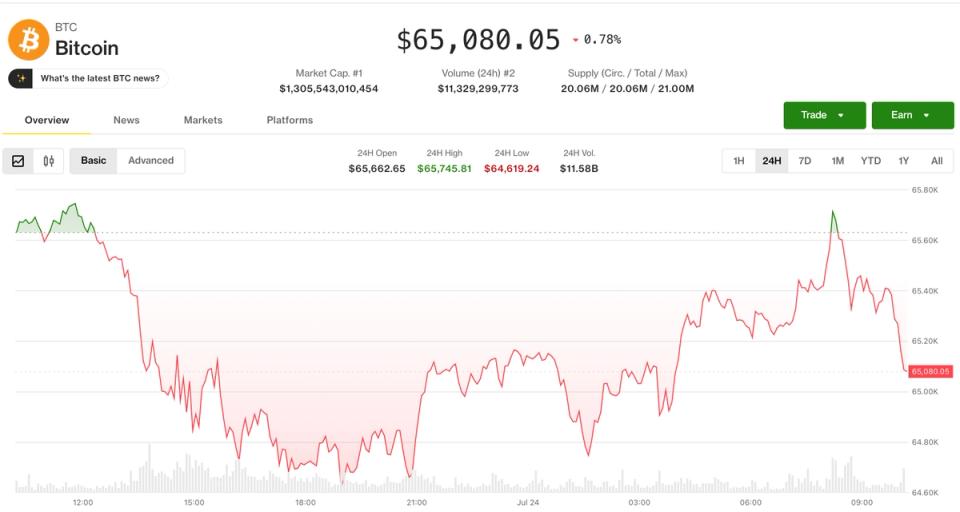
Bitcoin Holds Steady Near $65,000 as Surging Oil Prices Fail to Trigger Crypto Sell-off
This divergence highlights a growing trend where Bitcoin acts independently of traditional energy-driven market shocks. As oil prices hit their highest levels since May, the crypto sector is capitalizing on muted traditional markets, reinforcing its position as a distinct asset class capable of weathering geopolitical tension.

Buy the Dip? Analyst Claims Buying Bitcoin Today is Like Buying at $2
This bullish outlook is driven by a crucial metric that has officially dropped into oversold territory. In previous market cycles, this specific technical condition has consistently formed the cycle bottom, indicating that the current price action could be the final stage of accumulation before a major breakout.
