The DeFi Institutional Wall: The Battle for RWA Pricing Authority

The next major hurdle for institutional DeFi adoption isn't technical—it's about trust and data integrity. As industry titans like JPMorgan and BlackRock participate in DTCC's tokenization trials for stocks and Treasuries, the industry faces a massive question: who will be the trusted authority to price real-world assets (RWA) on-chain?
For these tokenized assets to function as viable collateral in lending markets, the ecosystem must solve the 'oracle problem' for institutional scale. Without reliable pricing mechanisms that remain active even when traditional venues go quiet, the integration of RWA into DeFi remains a high-risk endeavor.
DeFi’s next institutional hurdle is deciding who can be trusted to price real-world assets (RWA). The DTCC is currently running a massive tokenization trial involving roughly 40 firms, including JPMorgan, Goldman Sachs, BlackRock, Vanguard, and the NYSE, to represent shares and Treasuries on-chain.
However, these tokens only become usable collateral when a lending market can answer two critical questions: who prices them, and what happens once the venues behind that price go quiet? The transition to institutional DeFi requires more than just moving assets on-chain; it requires a resilient pricing infrastructure that can withstand data gaps and ensure continuous market stability.
This is a summarized and adapted version by Artificial Intelligence. To read the complete original story, visit the official source.
Read Full Article at CryptoSlateSupport Jornal Bitcoin
Independent journalism, curated by AI, no clickbait. Keep the flame alive with any amount of BTC.
jonata@walletofsatoshi.comDaily Crypto Brief 📬
Subscribe to receive the curation of the most important Bitcoin and crypto news, summarized by AI. No spam.
Join more than 10,000 smart readers.
Related News
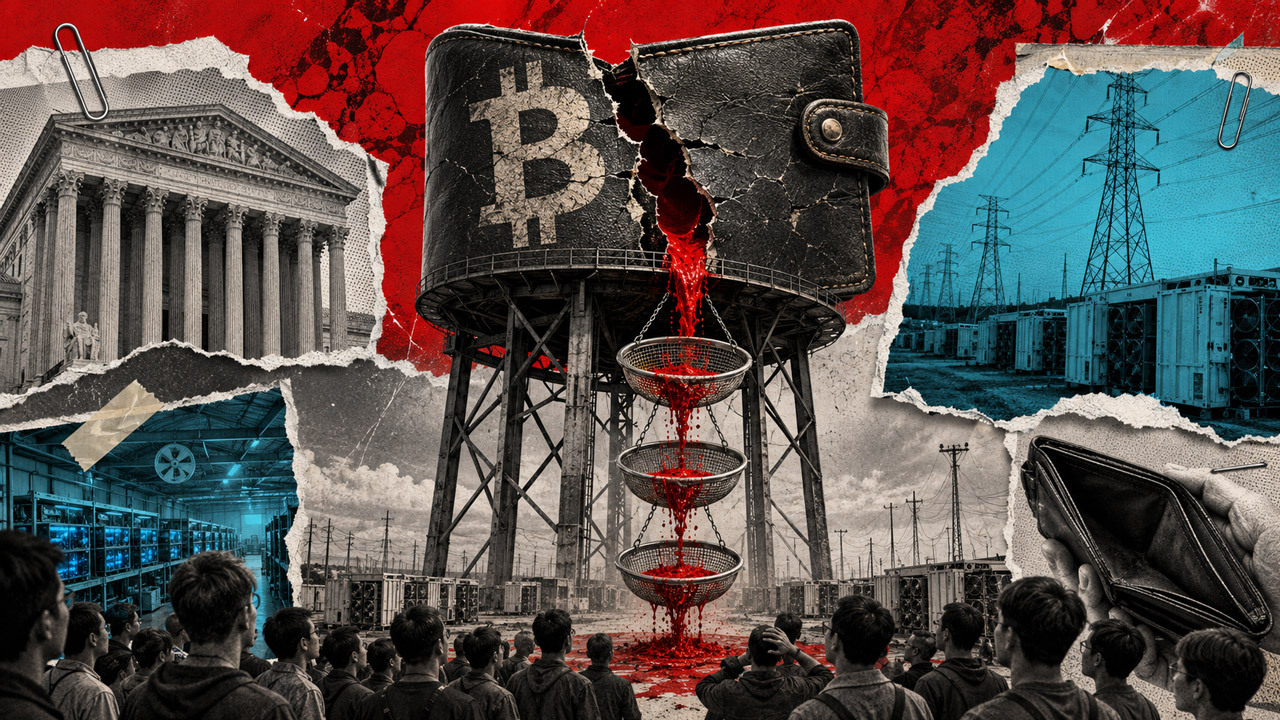
Mining Meltdown: Giant Poolin Files for Bankruptcy, Leaving 11,700 Users $164M in the Dark
This collapse highlights the severe risks within the mining sector, as current signed offers account for only 31.8% of wallet IOUs in gross arithmetic terms. Before any funds are distributed, the estate must navigate complex legal boundaries, liens, and substantial bankruptcy costs, likely diminishing the final recovery for creditors.

BTCC Shatters Records: 80,000 Participants Drive 22% Surge in Trading Volume
This surge in trading volume highlights the effectiveness of integrating global sporting events with crypto trading incentives. By leveraging massive participation, BTCC has strengthened its market presence and demonstrated how gamified trading competitions can drive unprecedented liquidity in the digital asset space.

Japan Inflation Warning: BOJ Likely to Maintain Low Rates as CPI Outlook Weakens
This cooling of inflation in Japan carries heavy implications for global liquidity and currency volatility. As the BOJ signals a continued period of monetary easing, the resulting yen carry trade environment could provide sustained tailwinds for risk assets, including the broader crypto market, by keeping borrowing costs low.
Odos Protocol to Shut Down: Users Given Deadline to Withdraw Assets
This shutdown follows a massive decline in trading activity, with the protocol's DEX aggregator volume plummeting from a high of $7.8 billion in December 2024 to just $169 million in July 2026. Despite generating $2.72 million in annualized revenue according to DefiLlama, the sharp contraction in volume underscores the volatile nature of the decentralized finance landscape.
Major Shakeup: B2C2 in Sale Talks as SBI Holdings Eyes Ownership Restructuring
This potential ownership shakeup could significantly alter the liquidity landscape in the crypto market. By bringing in new investors through this capital raise, B2C2 is positioning itself for a new era of institutional growth and decentralized governance beyond its primary stakeholder.
Bank Imposter Scam: Pennsylvania Senior Loses $44,000 in Irreversible Wire Transfer
This incident underscores the growing threat of banking impersonation scams and the extreme difficulty of recovering stolen funds once a wire transfer is completed. As financial criminals become more adept at psychological manipulation, maintaining high levels of vigilance regarding account security and transaction verification is paramount for all users.
