US Treasury sanctions Iranian tycoon Ali Ansari and linked entities—warning signs for global real estate

Intel Brief: The US Treasury sanctioned Iranian tycoon Ali Ansari and linked entities, underscoring how financial systems tied to sanctioned regimes can be exposed and how enforcement can hit networks beyond the headlines.
The fallout may extend into international markets: when enforcement targets connected actors, the compliance pressure and transaction risk can ripple through global capital flows—potentially including global real estate. The key takeaway: sanctions risk is not confined to one country, and due diligence around counterparties and linked entities is becoming unavoidable.
Beyond the direct effect on those sanctioned, the action can influence cross-border transactions and investment flows. In particular, there is potential impact on the global real estate market, since real-asset deals often rely on financial networks and counterpart relationships that can come under increased scrutiny.
This is a summarized and adapted version by Artificial Intelligence. To read the complete original story, visit the official source.
Read Full Article at Crypto BriefingSupport Jornal Bitcoin
Independent journalism, curated by AI, no clickbait. Keep the flame alive with any amount of BTC.
jonata@walletofsatoshi.comDaily Crypto Brief 📬
Subscribe to receive the curation of the most important Bitcoin and crypto news, summarized by AI. No spam.
Join more than 10,000 smart readers.
Related News
Regulatory Chokepoint: US Treasury Sanctions Iran’s Largest Crypto Exchange Nobitex
This development highlights the evolving role of crypto exchanges as critical regulatory chokepoints in the global financial landscape. As authorities tighten their grip, the industry faces significant shifts in global financial compliance and the long-term consequences of rigorous enforcement on decentralized markets.

Geopolitical Chaos: Polymarket Odds of US Invasion of Iran Surge to 16.5%
With US forces striking approximately 90 coastal targets and Iran retaliating against US-linked sites, the risk of a full-scale regional war is escalating. This breakdown in diplomacy creates massive uncertainty for global markets, potentially triggering significant volatility across traditional and digital asset sectors.

Hormuz Crisis Escalates: Polymarket Odds for Normal Traffic Plunge to 4.5% Amid US Strikes
The human and infrastructural toll is mounting, with confirmed fatalities in Iranshahr and widespread power outages reported in Chabahar. These developments underscore a volatile shift in regional stability, posing significant risks to global energy corridors and international trade security.

BlackRock's BUIDL Surpasses $500 Million: Tokenized Treasuries Are Gaining Massive Momentum
By bridging the gap between traditional finance and blockchain technology, the BUIDL fund is setting a new standard for liquidity and transparency. This surge in capital highlights the unstoppable momentum of Real World Assets (RWA) tokenization, proving that the migration of traditional assets onto the chain is no longer a question of 'if', but 'how fast'.

Beyond the Hype: How Rise is Revolutionizing Private Credit via Blockchain
By integrating this advanced infrastructure, the platform aims to drastically slash operational costs and broaden access to high-value assets. This strategic move cements the role of Real World Assets (RWA) tokenization as a practical driver of efficiency, enhancing liquidity and risk management within the evolving decentralized finance ecosystem.
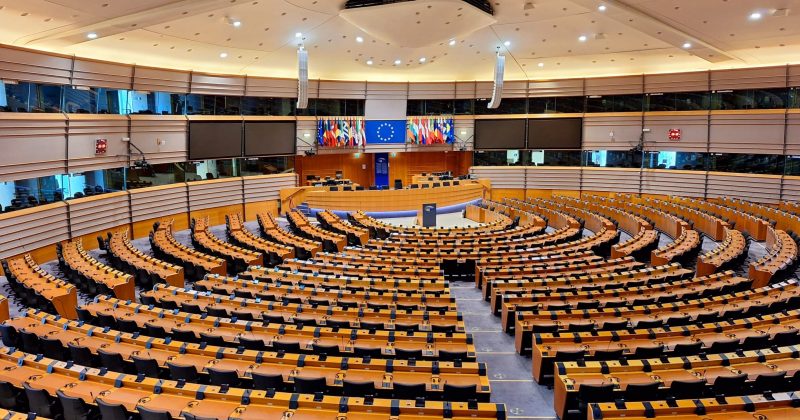
Digital Euro Fast-Tracked: European Parliament Approves Negotiations as Right-Wing Bloc Fails to Block Vote
This legislative momentum is expected to reshape existing financial systems and pose a significant challenge to the market share of private stablecoins. By establishing a state-backed digital alternative, the European Union is positioning itself to redefine monetary sovereignty and the future of digital payments in a highly competitive global landscape.
