US Senator Dismisses Crypto as Economic Threat During Senate Affordability Hearing
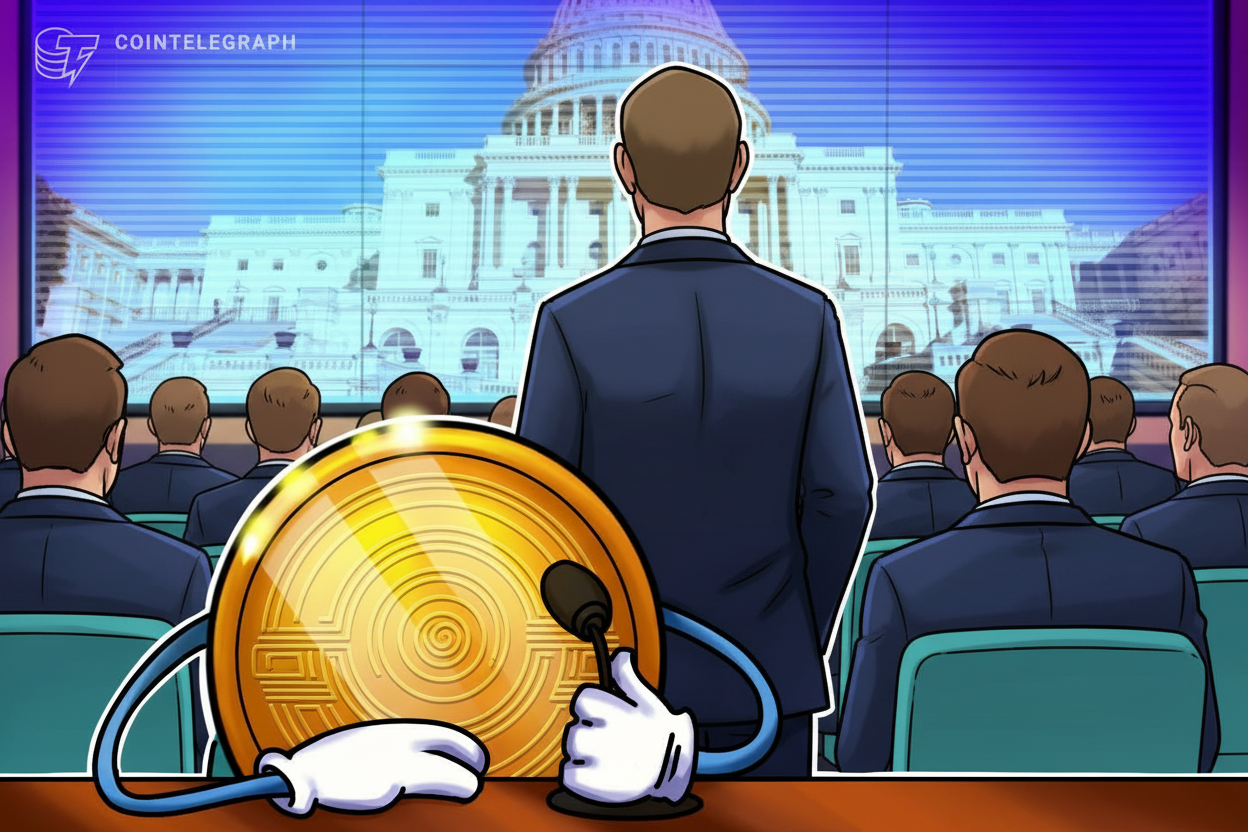
During a recent Senate Banking Committee hearing on affordability, Senator John Kennedy largely dismissed the arguments presented by crypto advocates regarding the role of digital assets in the US economy. Cody Carbone, CEO of The Digital Chamber, attempted to pitch the digital asset industry as a solution to high transaction costs and systemic inefficiencies.
While Carbone emphasized that crypto could provide competitive pressure on traditional payment systems and lower barriers to asset ownership, the legislative response was notably muted. Although Senator Tim Banks raised questions regarding the cost-efficiency of USD-pegged stablecoins for foreign remittances, the broader political consensus appeared indifferent to the potential impact of blockchain technology on national affordability agendas.
In the hearing titled 'The Affordability Agenda,' Carbone argued that the digital asset industry could help solve affordability issues in the United States by facilitating faster and cheaper transactions, exerting 'competitive pressure' on existing payment systems, and reducing barriers to owning and transferring assets. However, most lawmakers present did not directly question Carbone or inquire about digital assets, with the notable exceptions of Indiana Senator Tim Banks, who asked about the costs of foreign remittances versus stablecoins, and Senator Kennedy, who dismissed the testimony.
This is a summarized and adapted version by Artificial Intelligence. To read the complete original story, visit the official source.
Read Full Article at CoinTelegraphSupport Jornal Bitcoin
Independent journalism, curated by AI, no clickbait. Keep the flame alive with any amount of BTC.
jonata@walletofsatoshi.comDaily Crypto Brief 📬
Subscribe to receive the curation of the most important Bitcoin and crypto news, summarized by AI. No spam.
Join more than 10,000 smart readers.
Related News

Bull Trap Alert? XRP and Ether Optimism Surges Amid Price Slump
This disconnect between social hype and actual price action often serves as a warning sign for a potential sell-off. As the bullish sentiment rises against a backdrop of falling prices, the crypto market faces the risk of a deeper correction, potentially trapping those betting on an immediate reversal for XRP and Ether.

Hyundai Makes Move: Successful USDT Test for Cross-Border Corporate Transfers
This successful pilot highlights the growing utility of stablecoins in streamlining global treasury operations and reducing the friction inherent in traditional banking. By utilizing USDT for cross-border fund movements, Hyundai is setting a benchmark for how multinational corporations can integrate blockchain technology to optimize liquidity and international settlements.

Hormuz Strait Tension: Polymarket Sees Only 2% Chance of Normal Traffic Following UK IRGC Ban
Iran has slammed the UK's decision as "irresponsible," framing the dispute as a critical security flashpoint. This diplomatic friction is expected to fuel ongoing shipping-risk narratives, potentially disrupting global maritime corridors and influencing how prediction markets price geopolitical instability.
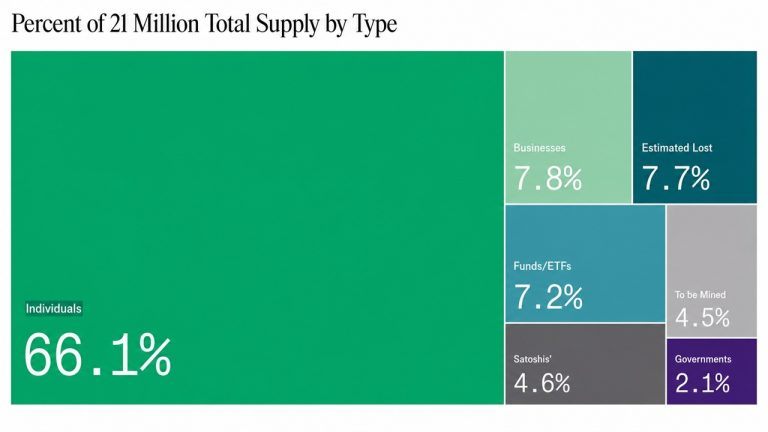
The Institutional Myth: Individuals Still Control 66% of All Bitcoin Supply
With businesses holding only 7.8% and ETFs accounting for just 7.2%, the market remains driven by individual holders rather than corporate entities. This distribution suggests that despite the influx of institutional capital, the core ownership of Bitcoin remains firmly in the hands of the people.
Binance Empire: 9 Years, 323 Million Users, and an $87 Billion Market Cap
The platform's continuous growth is intrinsically linked to the BNB ecosystem, which acts as the primary engine for Binance's future expansions. With ambitious growth plans, the company is focusing on strengthening the utility of the BNB token to sustain its trajectory of innovation and expansion within the crypto market.

Inter Milan's Pursuit of Curtis Jones: A Masterclass in Fan Token Volatility
Beyond the pitch, these movements highlight the deep connection between club dynamics and investor sentiment. As transfer windows approach, the interplay between sports news and token liquidity creates a high-volatility environment that demands keen observation from crypto-asset speculators.
