US Army opens military bases for critical minerals processing plants — the lithium-and-nickel race gets a boost
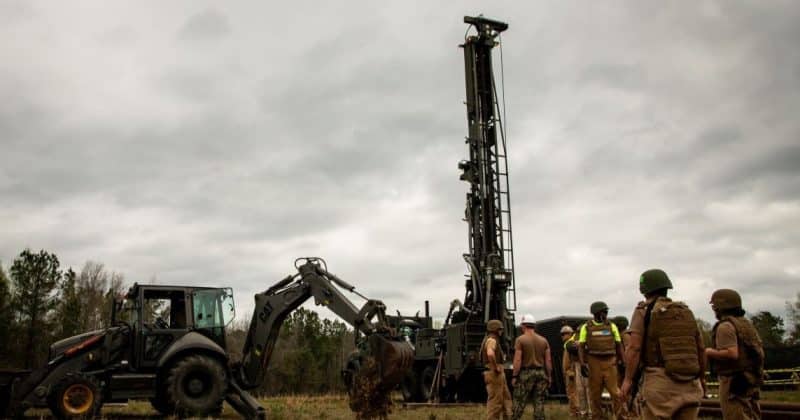
Intel Brief: The US Army has opened military bases for critical minerals processing plants, aiming to strengthen national security and cut foreign dependency. The move puts strategic raw-material processing closer to US control.
Beyond defense, the plan could spur major capital spending, support local economies, and improve domestic supply chain resilience for metals tied to batteries and industry. But it will require substantial investment and smooth execution—otherwise, the expected upside for critical minerals and supply chain stability may lag.
This is a summarized and adapted version by Artificial Intelligence. To read the complete original story, visit the official source.
Read Full Article at Crypto BriefingSupport Jornal Bitcoin
Independent journalism, curated by AI, no clickbait. Keep the flame alive with any amount of BTC.
jonata@walletofsatoshi.comDaily Crypto Brief 📬
Subscribe to receive the curation of the most important Bitcoin and crypto news, summarized by AI. No spam.
Join more than 10,000 smart readers.
Related News
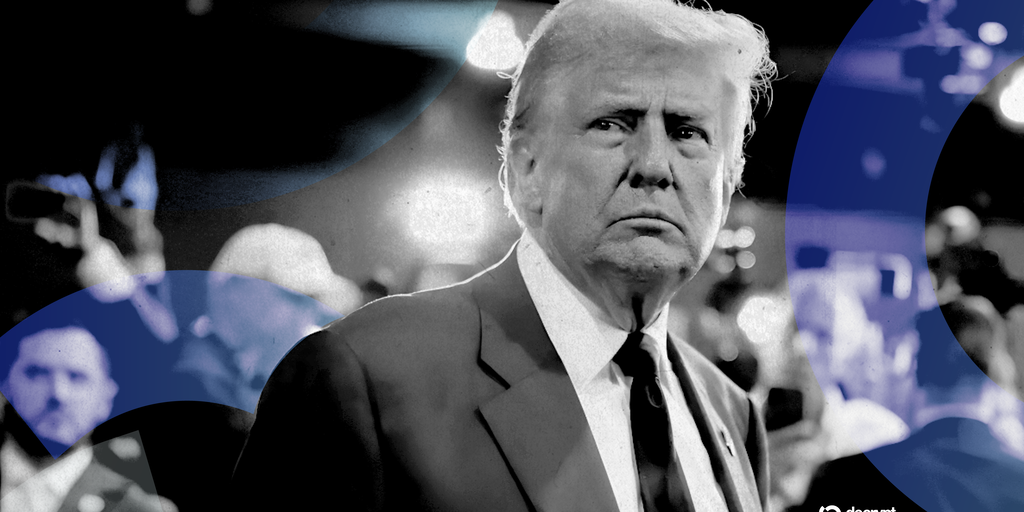
Trump: AI Could Be 'Bigger Than the Internet' as He Pushes Light-Touch Regulation
Trump's statement signals a strategic positioning of the U.S. as a dominant force in technology, prioritizing innovation over restrictive policies. The push for rapid expansion of critical AI infrastructure suggests an economic growth strategy, though raising concerns about environmental sustainability and national security implications. The minimal regulation approach contrasts with stricter policies adopted by other nations, potentially positioning the U.S. as an attractive hub for AI investment and cutting-edge development.
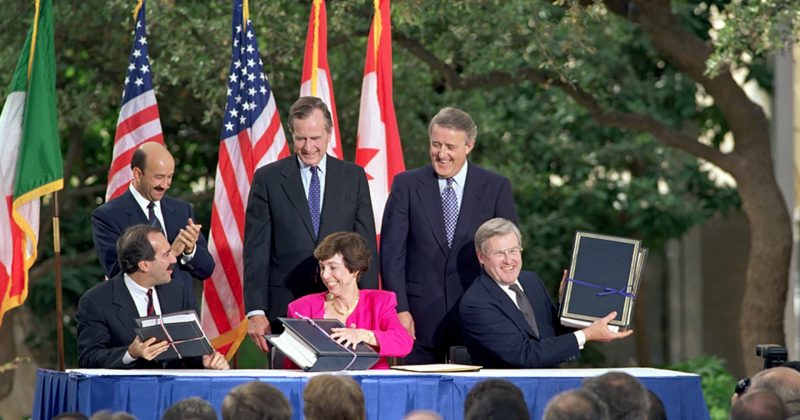
US Poised to Cut Canadian Auto Tariffs to 15% from 25%
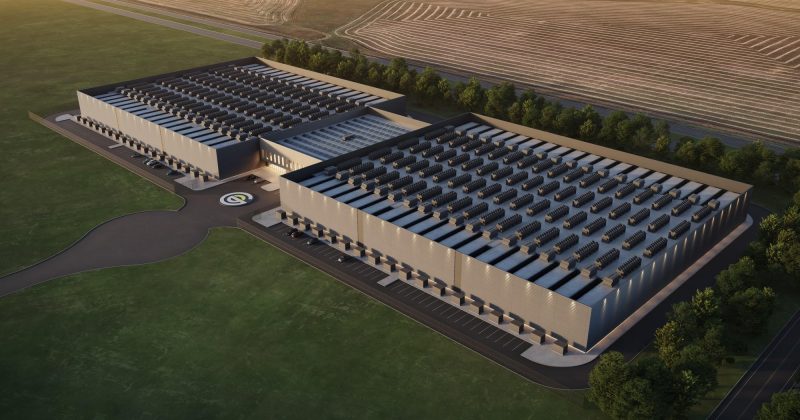
Goldman Sachs Leads $1.15B Junk Bond Bet on AI Data Center Future
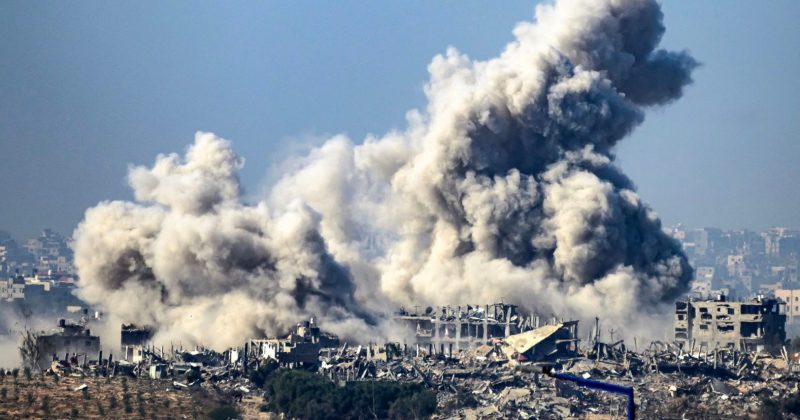
Israel Strikes Lebanon, Syria; UAE Halts Iran Trade Amid Rising Tensions
The complex geopolitical situation between Israel, Iran, and Arab nations is creating uncertainty for investors and the crypto community, with potential consequences for digital asset volatility. Analysts warn that the conflict could lead to disruptions in energy supply chains and affect capital flows into the crypto sector, while observers closely monitor diplomatic movements to assess the long-term impact on regional security and international financial markets.
Trump Family Crypto Firm Tied to Chinese AI Models US Government Called a Security Risk
The involvement of a prominent political figure with Chinese technology under national scrutiny comes amid growing trade and technological tensions between the U.S. and China. The situation could have significant implications for crypto and AI regulation, potentially impacting international relations and public trust in companies associated with the Trump family. This case highlights the growing risks of intersection between decentralized finance, geopolitics, and advanced technology.