Crypto Briefing

Israel Strikes Lebanon, Syria; UAE Halts Iran Trade Amid Rising Tensions
August 19, 202612:23 AM
Israel Strikes Lebanon, Syria; UAE Halts Iran Trade Amid Rising Tensions

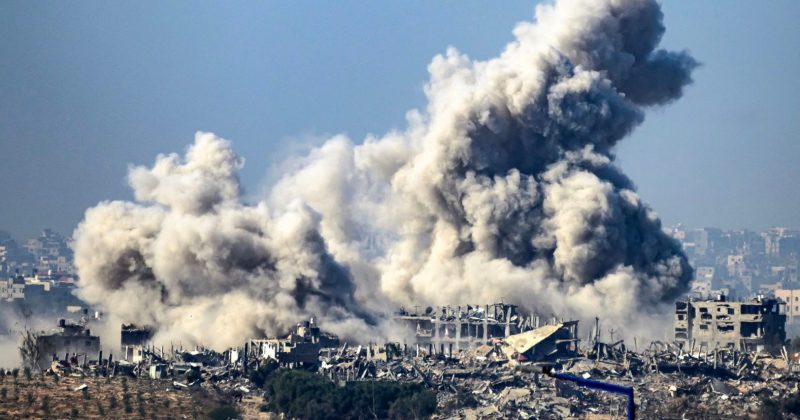
Regional tensions in the Middle East escalate as Israel conducts strikes in Lebanon and Syria, while the United Arab Emirates halts trade with Iran. These military and diplomatic actions are reshaping regional alliances and jeopardizing peace negotiations, directly impacting global financial markets and crypto stability.

The complex geopolitical situation between Israel, Iran, and Arab nations is creating uncertainty for investors and the crypto community, with potential consequences for digital asset volatility. Analysts warn that the conflict could lead to disruptions in energy supply chains and affect capital flows into the crypto sector, while observers closely monitor diplomatic movements to assess the long-term impact on regional security and international financial markets.

This is a summarized and adapted version by Artificial Intelligence. To read the complete original story, visit the official source.

Read Full Article at Crypto Briefing
QR Code Lightning

Support Jornal Bitcoin

Independent journalism, curated by AI, no clickbait. Keep the flame alive with any amount of BTC.

Wallet of Satoshi
jonata@walletofsatoshi.com

Daily Crypto Brief 📬

Subscribe to receive the curation of the most important Bitcoin and crypto news, summarized by AI. No spam.

Join more than 10,000 smart readers.

Related News
Oil Prices Surge as Middle East Tensions Spark Global Market Fears
Crypto Briefing

Oil Prices Surge as Middle East Tensions Spark Global Market Fears

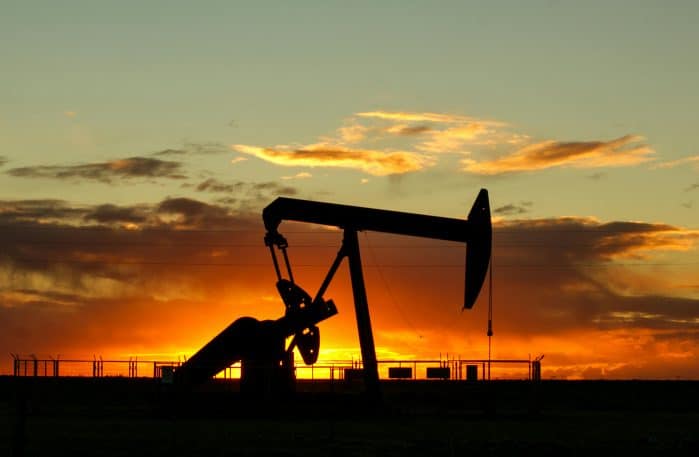
Oil prices are surging to recent highs as Middle East tensions escalate, sending shockwaves through global markets and threatening worldwide economic stability. Concerns over potential supply disruptions are driving volatility and shifting investor sentiment across the globe.

This oil price surge, closely monitored by the Wall Street Journal, has profound implications for the global economy, affecting everything from inflation to monetary policy decisions. Investors and analysts are closely watching developments in the region, as any escalation of conflicts could trigger an energy crisis with lasting consequences for international financial markets.
Trump Threatens to Bomb Oman, Rejects Iran MoU Extension Amid Rising Tensions
Crypto Briefing★ Featured

Trump Threatens to Bomb Oman, Rejects Iran MoU Extension Amid Rising Tensions

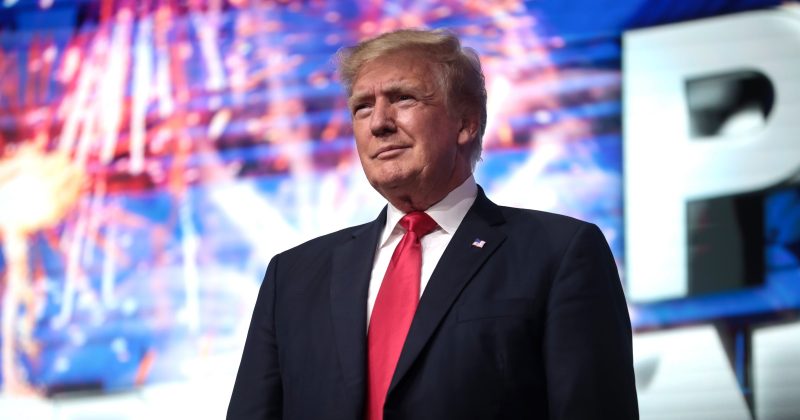
Former President Donald Trump has publicly threatened to bomb Oman and rejected the extension of a Memorandum of Understanding with Iran, escalating tensions in the Middle East and creating geopolitical instability that could impact global markets. These statements come at a delicate time of alliance realignment in the region, where diplomacy appears to be giving way to bellicose rhetoric. Analysts fear that the escalation of tensions could not only complicate international relations but also negatively impact global financial markets, including the cryptocurrency sector, which has historically reacted to geopolitical instability events.
US-Iran Ceasefire Collapses: Oil Soars as Global Markets Panic
BlockTrends★ Featured

US-Iran Ceasefire Collapses: Oil Soars as Global Markets Panic

The collapse of the US-Iran ceasefire is sending shockwaves through global financial markets, with oil prices surging and 30-year Treasury yields hitting their highest levels since 2007. Investors are scrambling to reassess risk portfolios as the geopolitical landscape shifts dramatically, forcing a rapid reevaluation of asset valuations and investment strategies worldwide.

The escalating tensions in the Middle East represent a significant geopolitical shock to the global economy, with direct consequences for energy prices and international financial stability. Analysts warn that increased volatility may persist as the political situation evolves, affecting everything from stock markets to cryptocurrencies, with Bitcoin and other digital assets showing mixed responses amid the uncertainty.
CryptoPotato

US-Iran Ceasefire Extended: How Will Bitcoin React?
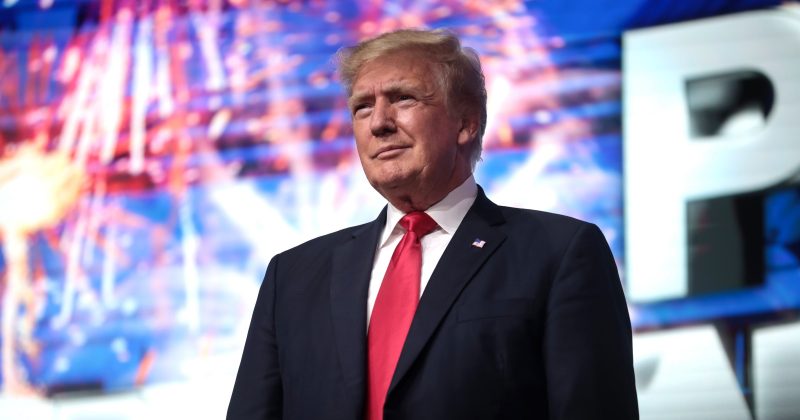
Bitcoin (BTC) price faces a critical moment as reports indicate the ceasefire between the United States and Iran will be extended, avoiding an escalation of tensions in the Middle East that could have significantly impacted global financial markets and Bitcoin's price. This news about the extension of the US-Iran ceasefire brings relief to cryptocurrency investors, as geopolitical instability is a factor that has historically influenced Bitcoin's volatility and other digital assets. With the Middle East conflict potentially contained, crypto traders can refocus their attention on other factors moving Bitcoin's price, such as monetary policy decisions and institutional adoption.
Arab Nations Condemn Israel's Rejection of Trump's Gaza Plan
Crypto Briefing

Arab Nations Condemn Israel's Rejection of Trump's Gaza Plan

As Middle East tensions escalate, Arab nations have united in a historic condemnation of Israel's rejection of Donald Trump's peace plan for Gaza. This unified stance represents a significant shift in regional diplomacy, with potential profound consequences for the balance of power in the Israeli-Palestinian conflict.

The condemnation by Arab nations may signal a shift in diplomatic relations, potentially influencing future recognition efforts and regional stability. Analysts are closely watching how this position will affect the foreign policy of Gulf countries and relations with the United States, as the conflict in Gaza continues to demand urgent solutions for the ongoing humanitarian crisis.
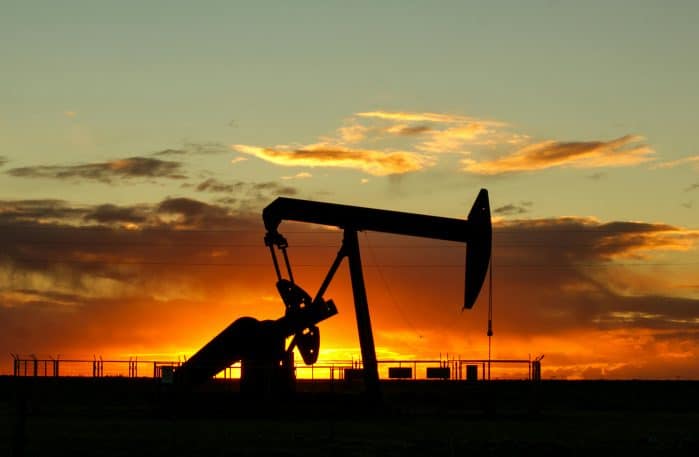
India Orders Oil Giants to Ramp Up LPG Production as Middle East Tensions Spike
Crypto Briefing

India Orders Oil Giants to Ramp Up LPG Production as Middle East Tensions Spike

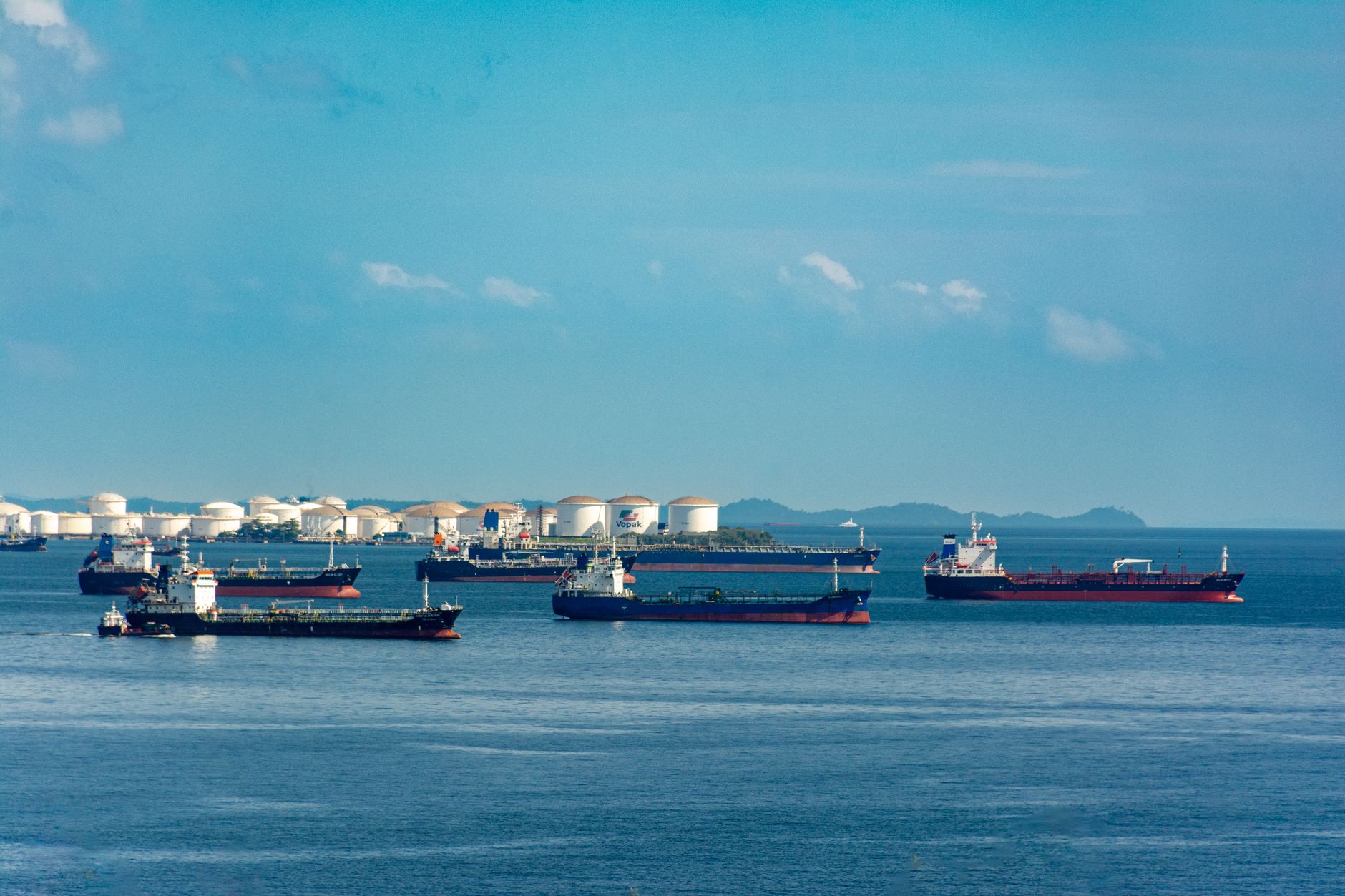
India has issued a direct mandate to domestic oil firms to significantly boost LPG production, a strategic move aimed at securing energy independence amidst escalating geopolitical instability in the Middle East. This policy shift signals a critical shift in global energy dynamics as the nation seeks to insulate itself from supply shocks and volatile market fluctuations. By prioritizing domestic output, India aims to exert greater influence over global oil prices and reduce reliance on volatile foreign imports. The directive comes at a time of heightened regional conflict, making energy security a top priority for the government as it navigates the complex interplay between domestic industrial needs and international market pressures.
Jornal Bitcoin Logo
