UEFA Threatens World Cup Boycott Over FIFA's $20 Billion Commercial Spinoff Plan
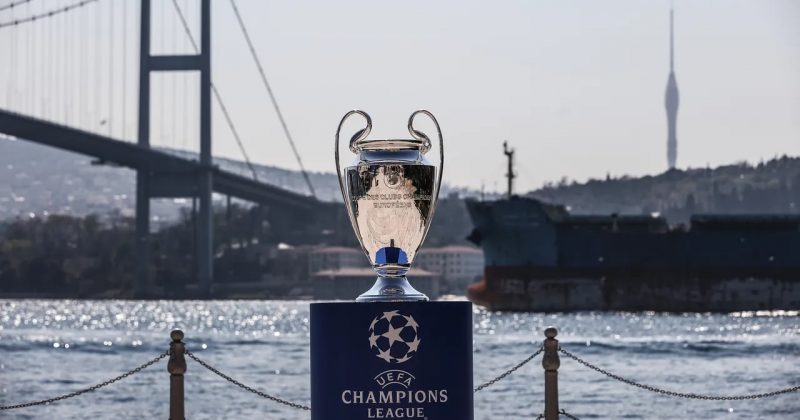
UEFA is threatening to boycott the World Cup over FIFA's $20 billion commercial spinoff plan, signaling an unprecedented crisis in global football economics. This high-stakes confrontation between the world's two most powerful football organizations could trigger a domino effect across broadcasting rights, sponsorships, and private investments in the sports industry.
The escalating dispute threatens to destabilize the entire football ecosystem, potentially reshaping how commercial rights are managed and distributed across national federations. As FIFA pushes forward with its lucrative commercial restructuring, UEFA's resistance highlights growing tensions between centralized control and financial autonomy. This conflict could set a precedent for future commercial battles across all major sports leagues and impact how billions in sports marketing investments are allocated globally.
This is a summarized and adapted version by Artificial Intelligence. To read the complete original story, visit the official source.
Read Full Article at Crypto BriefingSupport Jornal Bitcoin
Independent journalism, curated by AI, no clickbait. Keep the flame alive with any amount of BTC.
jonata@walletofsatoshi.comDaily Crypto Brief 📬
Subscribe to receive the curation of the most important Bitcoin and crypto news, summarized by AI. No spam.
Join more than 10,000 smart readers.
Related News
New Jersey AG Targets FIFA: Why the Post-World Cup Crackdown Matters for Crypto
This regulatory pressure carries significant implications for the crypto markets, particularly regarding how digital assets are utilized in massive sports sponsorships. As the intersection of sports and fintech grows, the scrutiny from authorities like the New Jersey AG will likely set a precedent for how crypto-integrated sports ventures must navigate compliance and legal frameworks.
FIFA Power Play: Infantino Seeks to Bypass Bidding for 2029 Club World Cup in the US
This approach risks undermining FIFA's credibility and global equity within the footballing community. By attempting to skip the competitive bidding phase, Infantino may inadvertently alienate key stakeholders and vital international markets that demand a fair and equitable selection process.
FIFA’s Identity Crisis: Social Justice Goals Clash with Blockchain Ambitions for World Cup 2026
The consequences of this clash could redefine how major sporting bodies manage ethical branding alongside technological adoption. As FIFA pushes for blockchain integration, it faces intense scrutiny regarding whether its digital roadmap aligns with its stated commitment to social equity and corporate responsibility.
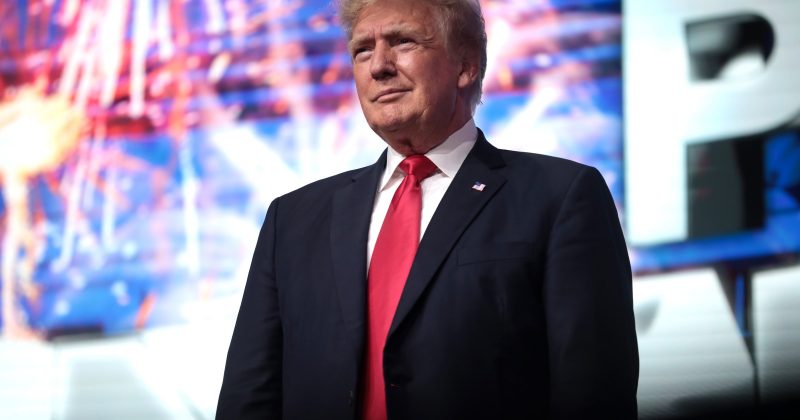
FIFA Bows to Trump Pressure: A New Era of Political Control in Global Sports?
This development sets a chilling precedent for future political influence within global sports organizations. As the line between international diplomacy and athletic competition blurs, the integrity of governance structures faces an unprecedented challenge, potentially allowing political agendas to override the traditional autonomy of sports federations.
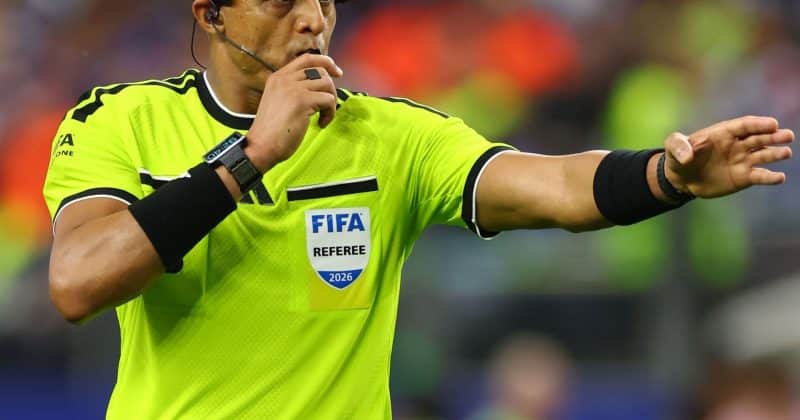
FIFA Red Card Reversal Sparks Political Outcry and Governance Crisis
This breakdown in decision-making highlights a systemic need for transparent rule enforcement to preserve institutional trust. As the debate over fairness heats up, the pressure mounts on global sports governance to prove it can maintain integrity under intense scrutiny.
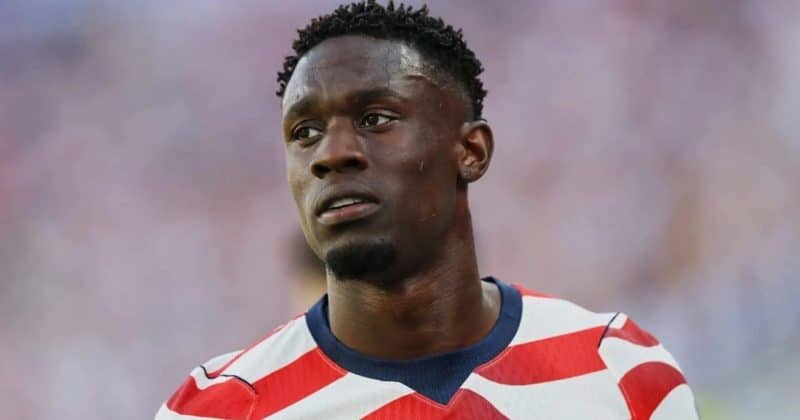
The Trump Effect: How a Call to FIFA's Infantino Overturned Folarin Balogun's World Cup Ban
The consequences of this intervention extend far beyond a single player, raising fundamental questions about the integrity of FIFA's decision-making processes. As the fallout continues, the football world faces a potential shift in how disciplinary actions are handled, signaling a new era where political leverage may dictate the outcomes of international sporting regulations.
