FIFA Power Play: Infantino Seeks to Bypass Bidding for 2029 Club World Cup in the US

FIFA President Gianni Infantino is sparking intense debate by attempting to secure the United States as the host for the 2029 Club World Cup while bypassing the standard bidding process. This move aims to fast-track the tournament's placement in the lucrative US market, but it directly challenges established protocols of organizational transparency.
This approach risks undermining FIFA's credibility and global equity within the footballing community. By attempting to skip the competitive bidding phase, Infantino may inadvertently alienate key stakeholders and vital international markets that demand a fair and equitable selection process.
FIFA President Gianni Infantino is reportedly pushing to have the United States host the 2029 Club World Cup, with a controversial twist: he wants to skip the formal bidding process entirely. This move is seen as a strategic attempt to lock in the tournament in the US, but it has raised significant red flags regarding FIFA's internal governance.
This is a summarized and adapted version by Artificial Intelligence. To read the complete original story, visit the official source.
Read Full Article at Crypto BriefingSupport Jornal Bitcoin
Independent journalism, curated by AI, no clickbait. Keep the flame alive with any amount of BTC.
jonata@walletofsatoshi.comDaily Crypto Brief 📬
Subscribe to receive the curation of the most important Bitcoin and crypto news, summarized by AI. No spam.
Join more than 10,000 smart readers.
Related News
Professional Law Enforcement Group Backs Crypto's CLARITY Act, Adding Pressure Before August Recess
This development marks a pivotal moment in the cryptocurrency regulatory debate, bridging concerns of public safety and financial innovation. With growing police support, the CLARITY Act gains momentum to address critical issues like compliance, anti-money laundering measures, and investor protection, while the crypto industry awaits a more defined regulatory framework that could drive institutional adoption and market stability.

Elon Musk's xAI Sues Minnesota to Block America's First AI Nudification Law
The lawsuit seeks a federal court order to stop the law from taking effect this Saturday, arguing it violates free speech rights and sets problematic precedents for AI development. The case comes amid growing debate about AI regulation and its potential abuses, with Minnesota becoming the first U.S. state to implement such specific legislation against the non-consensual creation of intimate content.
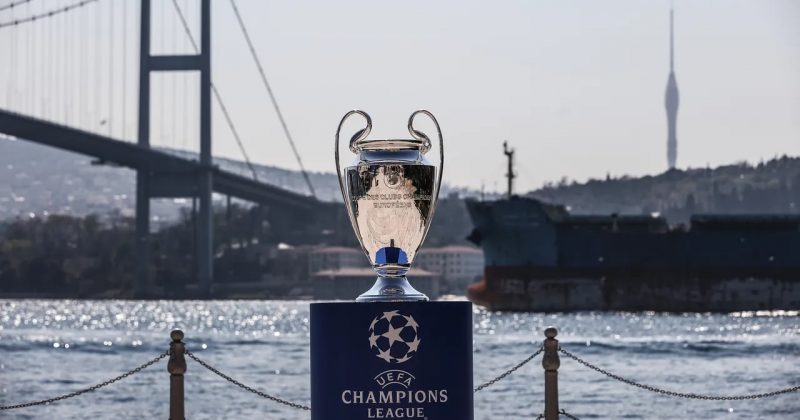
UEFA Threatens World Cup Boycott Over FIFA's $20 Billion Commercial Spinoff Plan
The escalating dispute threatens to destabilize the entire football ecosystem, potentially reshaping how commercial rights are managed and distributed across national federations. As FIFA pushes forward with its lucrative commercial restructuring, UEFA's resistance highlights growing tensions between centralized control and financial autonomy. This conflict could set a precedent for future commercial battles across all major sports leagues and impact how billions in sports marketing investments are allocated globally.

US Private Credit Market Under Siege as Borrowers Flock to Europe
The migration of borrowers toward more accessible European financing sources is creating a new global credit dynamic that demands diversification and adaptation from investors. This phenomenon reflects broader trends in financial reallocation and could lead to a permanent restructuring of the private credit landscape, requiring market participants to adjust to new transatlantic economic and regulatory realities.
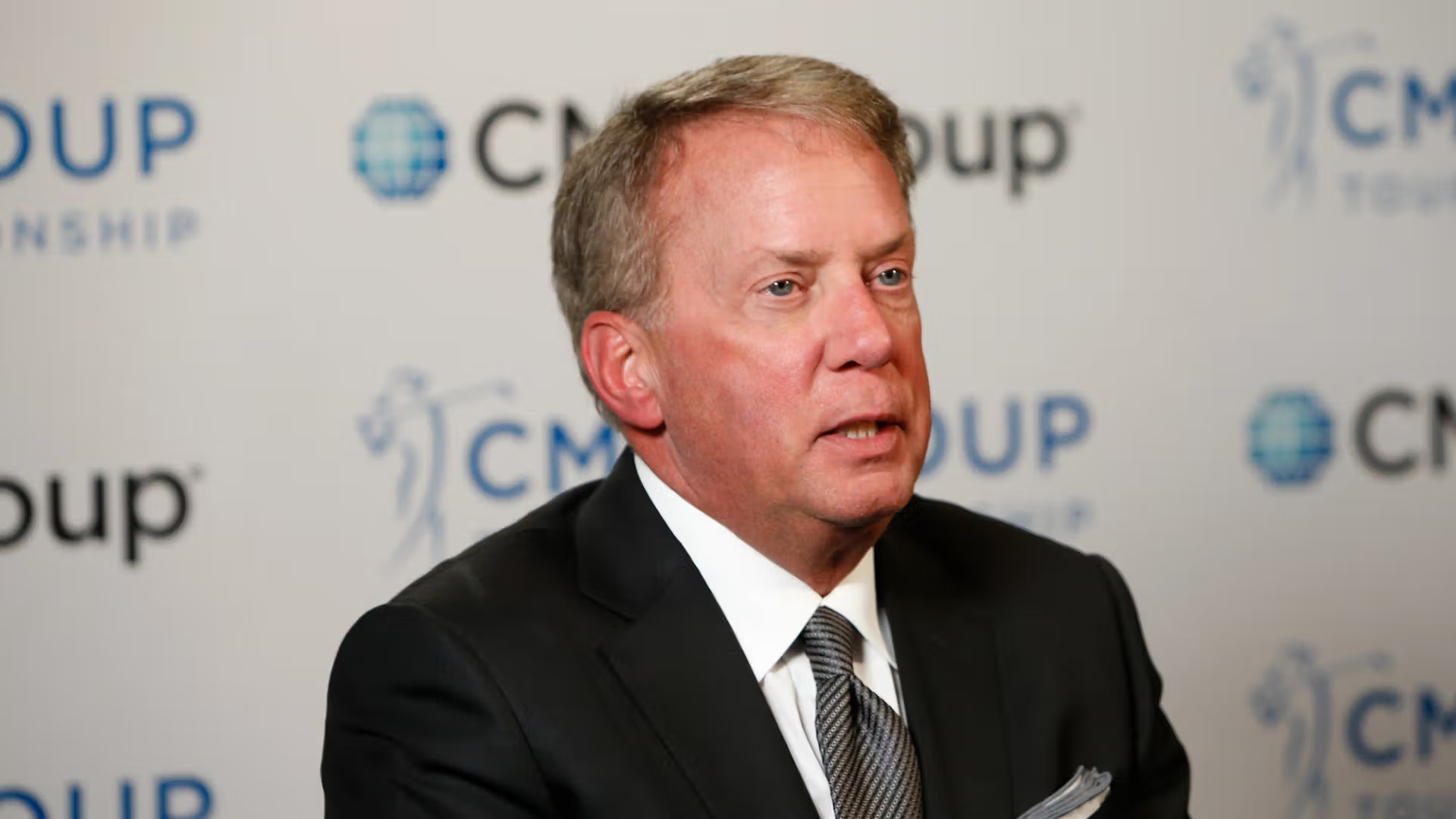
CME CEO: Overlooked Tax Time Bomb Looms Over U.S. Perpetual Futures
This regulatory uncertainty poses a significant threat to the cryptocurrency and derivatives industry in the United States. An incorrect classification could trigger back taxes and substantial penalties for traders and exchanges, potentially destabilizing the entire market. As the world's largest futures exchange, CME is proactively positioning itself to mitigate this regulatory risk before it escalates into financial catastrophe for market participants.

US-Iran Conflict Escalates: Military Strikes Send Crypto Markets into Turmoil, Exposing Bitcoin's Geopolitical Vulnerabilities
Crypto markets, historically viewed as safe havens, are showing unexpected sensitivity to traditional geopolitical events. The increased volatility in Bitcoin and other cryptocurrency prices reflects uncertainty about how regulators might respond to this new phase of international tensions, potentially impacting the future of the crypto sector.
