TSMC Goes All-In on AI: Massive $100B Arizona Expansion and Explosive Growth Forecasts
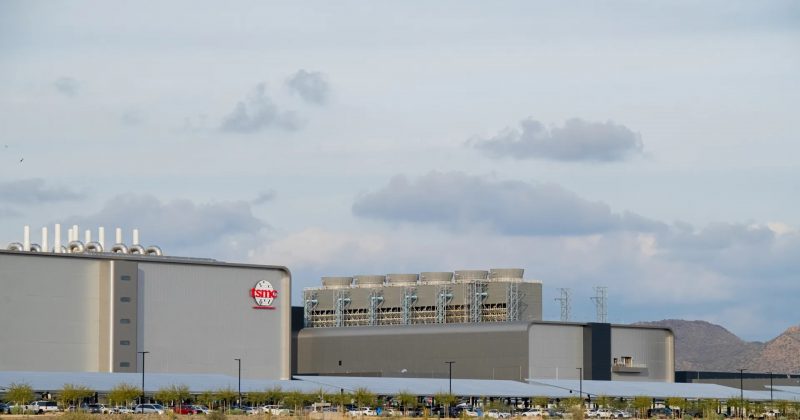
Semiconductor titan TSMC has signaled an era of unprecedented expansion, boosting its Arizona investment commitment to a staggering $265 billion. By revising its 2026 revenue growth projections to over 40%, the company is confirming that the demand for AI chips is not a fleeting trend, but a massive structural shift in the global economy.
This strategic move solidifies high-performance hardware as the backbone of the digital landscape through 2030. For those tracking the intersection of tech and finance, this massive increase in AI chip manufacturing investment reinforces the long-term bullish thesis for the infrastructure powering the next decade of innovation.
TSMC is aggressively scaling its footprint in the United States, adding an additional $100 billion to its Arizona manufacturing roadmap, bringing the total commitment to $265 billion. The company has officially revised its 2026 revenue growth outlook to exceed 40%, a move that underscores immense confidence in the sustained trajectory of artificial intelligence requirements.
TSMC leadership expects this surge to be part of a multi-year structural demand cycle lasting through 2030. This massive commitment to AI chip manufacturing in the U.S. highlights the intensifying global race to secure the processing power essential for the next generation of technological breakthroughs.
This is a summarized and adapted version by Artificial Intelligence. To read the complete original story, visit the official source.
Read Full Article at Crypto BriefingSupport Jornal Bitcoin
Independent journalism, curated by AI, no clickbait. Keep the flame alive with any amount of BTC.
jonata@walletofsatoshi.comDaily Crypto Brief 📬
Subscribe to receive the curation of the most important Bitcoin and crypto news, summarized by AI. No spam.
Join more than 10,000 smart readers.
Related News

Tech War Escalates: US Threatens China Sanctions Over AI Model Theft
The fallout from these potential sanctions could have profound implications for both the AI sector and the broader crypto market. As the battle for technological supremacy intensifies, the intersection of cybersecurity, AI development, and digital assets is expected to face unprecedented regulatory and economic pressure.
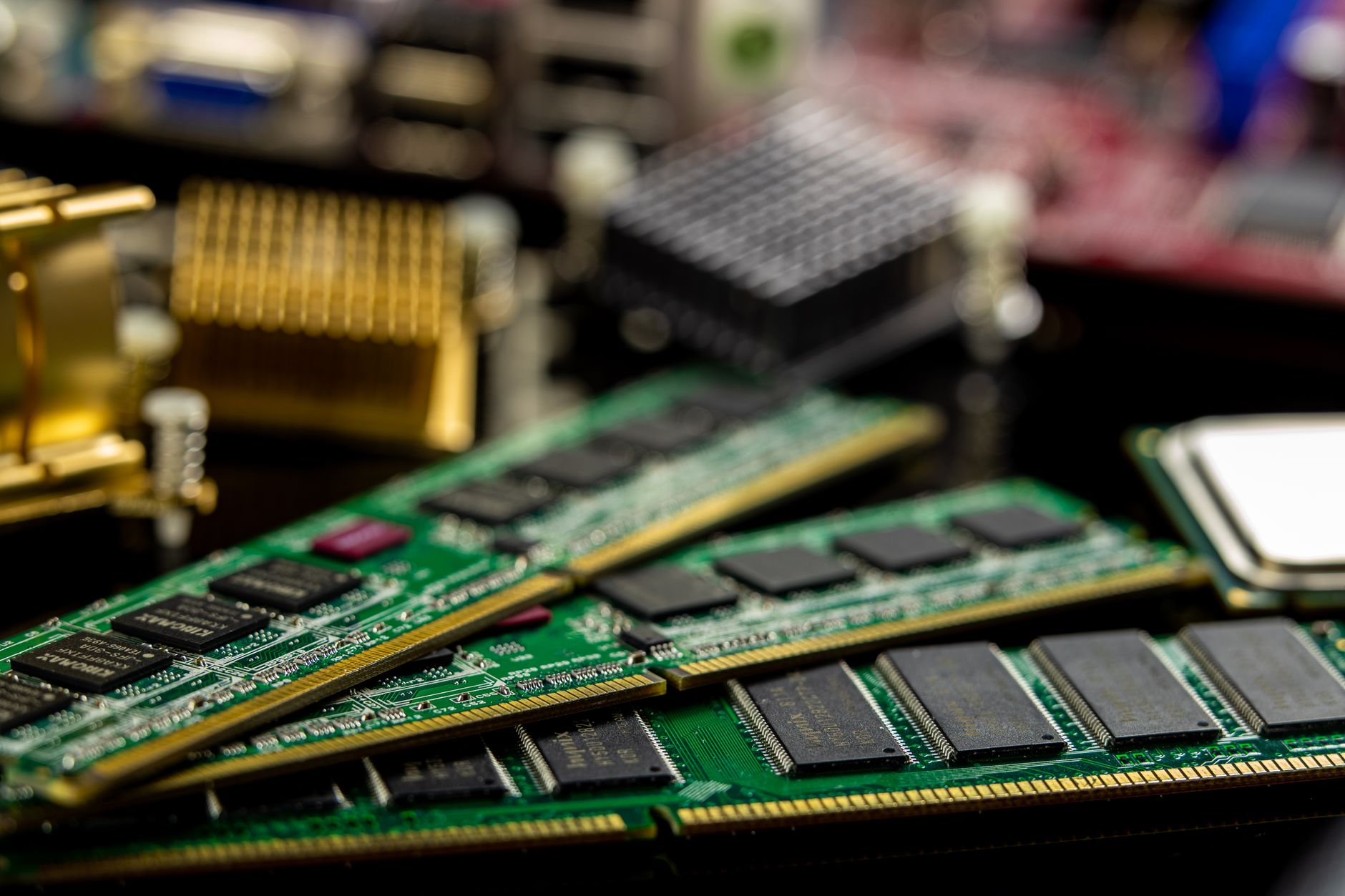
Google's New AI Chip Promises 10x Efficiency Boost to Challenge Nvidia Dominance
This strategic move is a direct challenge to Nvidia's current market monopoly, as Google seeks to decrease its reliance on external GPU providers. By mastering its own silicon, Alphabet is positioning itself to lead the next phase of the AI arms race through superior cost-to-performance ratios.
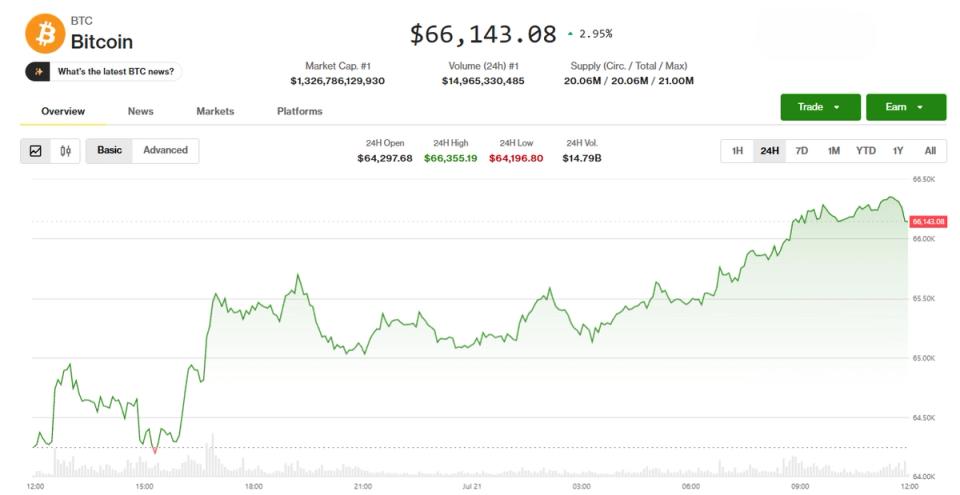
Crypto Markets Surge as Trump-Backed Regulatory Clarity and Asian Chip Rebound Fuel Rally
This surge is further amplified by a strategic rebound in Asian chip stocks, creating a synchronized momentum across tech and digital assets. As regulatory clarity approaches, the synergy between semiconductor strength and crypto market optimism suggests a broader shift in global risk appetite.

US and China Set High-Stakes AI Summit for September Led by Treasury Secretary
This diplomatic push represents a significant effort to prevent technological decoupling from turning into uncontrolled conflict. As the US and China navigate the complexities of artificial intelligence, the outcome of these talks will likely shape global AI safety standards and influence international tech markets.

Tesla's $25 Billion AI Gamble: Will the Massive Spending Spree Impact Its Bitcoin Holdings?
Currently holding 11,509 BTC—valued at roughly $786 million—Tesla sits at a crossroads between funding its AI ambitions and preserving its digital assets. The potential for negative cash flow has sparked a debate on whether the company's crypto holdings will serve as a strategic buffer or a source of liquidity for its robotics revolution.

Worldcoin Surge: WLD Jumps 8% as Grayscale Files for Spot ETF
If approved by regulators, this would stand as the first U.S.-based ETF tied to Sam Altman's ambitious identity project. The filing underscores the growing intersection between biometric security and decentralized finance, potentially unlocking unprecedented liquidity for the WLD ecosystem.
