Google's New AI Chip Promises 10x Efficiency Boost to Challenge Nvidia Dominance
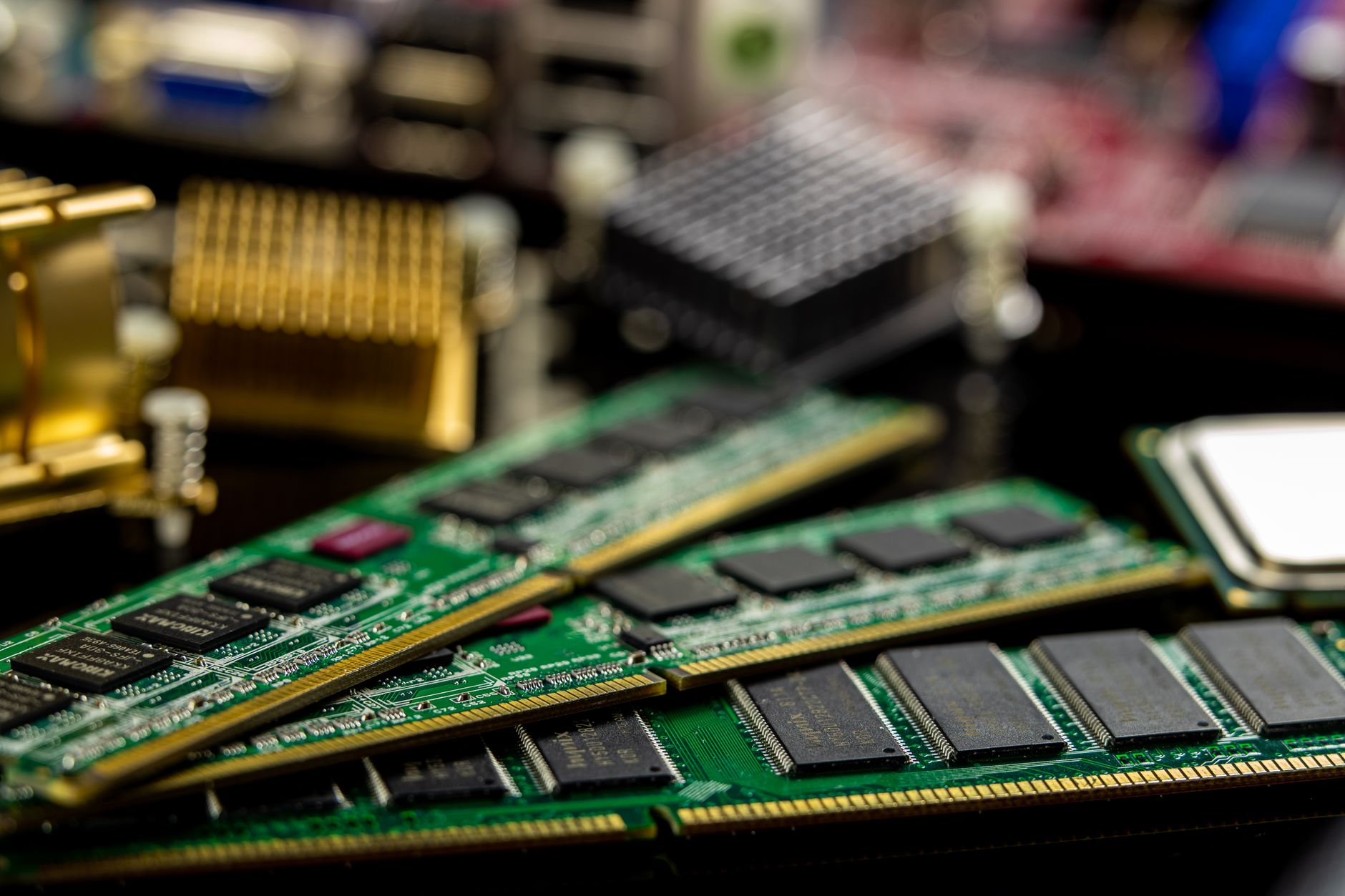
Alphabet is set to disrupt the technological landscape with a custom-designed internal processor optimized for artificial intelligence workloads. This breakthrough aims to generate up to 10x more tokens per watt, marking a massive leap in computational efficiency.
This strategic move is a direct challenge to Nvidia's current market monopoly, as Google seeks to decrease its reliance on external GPU providers. By mastering its own silicon, Alphabet is positioning itself to lead the next phase of the AI arms race through superior cost-to-performance ratios.
Alphabet is engineering a proprietary processor that promises to reshape the high-performance computing landscape. The new Google chip is designed to be up to 10 times more efficient in terms of tokens per watt, a quantitative leap that could alter the very economics of artificial intelligence.
The core objective of this initiative is to mitigate the critical dependency on third-party hardware, specifically Nvidia, which currently dominates the GPU market. With this in-house technology, Google aims to secure greater control over its supply chain and achieve significant reductions in the operational costs of its AI data centers.
This is a summarized and adapted version by Artificial Intelligence. To read the complete original story, visit the official source.
Read Full Article at BlockTrendsSupport Jornal Bitcoin
Independent journalism, curated by AI, no clickbait. Keep the flame alive with any amount of BTC.
jonata@walletofsatoshi.comDaily Crypto Brief 📬
Subscribe to receive the curation of the most important Bitcoin and crypto news, summarized by AI. No spam.
Join more than 10,000 smart readers.
Related News

Marseille's Memphis Depay Pursuit Hits a Wall Over Massive Salary Demands
This development underscores the delicate balance clubs must maintain between securing high-profile talent and adhering to strict financial constraints. The failure to reach an agreement on wages leaves Depay's future uncertain and Marseille searching for alternative solutions in the transfer market.

Bull Alert: Bitcoin Triggers 3 Rare Signals That Previously Marked Market Bottoms
Analysts note that the convergence of these historical technical indicators could mark the end of a bearish phase and the beginning of a new bullish cycle. If the pattern repeats faithfully, the current Bitcoin market structure presents a high-conviction entry opportunity based on proven market cycles.

End of an Era: Jack Mallers Exits Twenty One as Bitcoin Treasury Pressure Mounts
Raphael Zagury now inherits a massive Bitcoin balance sheet and a daunting mandate. The core challenge lies in proving that a heavy Bitcoin treasury can effectively support a durable business model amidst ongoing market fluctuations.

Game Changer: New CFTC Self-Reporting Guidelines Could Reshape Crypto Enforcement
This development marks a significant pivot in how crypto enforcement incentives are structured. By rewarding voluntary disclosure, the CFTC is attempting to foster a culture of accountability, potentially reducing the long-term legal volatility that has plagued the cryptocurrency market.

Market Shock: Jack Mallers Exits Twenty One Capital as Tether's Bitcoin Merger Fails
The failure of this massive Bitcoin merger marks a significant setback for institutional consolidation efforts. As Mallers exits and the Tether deal falls apart, investors are bracing for increased volatility and a re-evaluation of the strategic direction within the Bitcoin infrastructure landscape.

MEXC Unleashes Bittensor (TAO) Staking: A Massive Leap for Decentralized AI
This integration is designed to scale the Bittensor ecosystem, which currently boasts 128 specialized subnets dedicated to complex machine learning tasks. As Yuma evaluates subnet performance to distribute staking rewards, this partnership between MEXC and Bittensor significantly boosts network participation and strengthens the utility of the TAO token within the global AI landscape.
