Geopolitical Shockwave: Trump’s New Sanctions on Russia and Iran Threaten Energy Prices
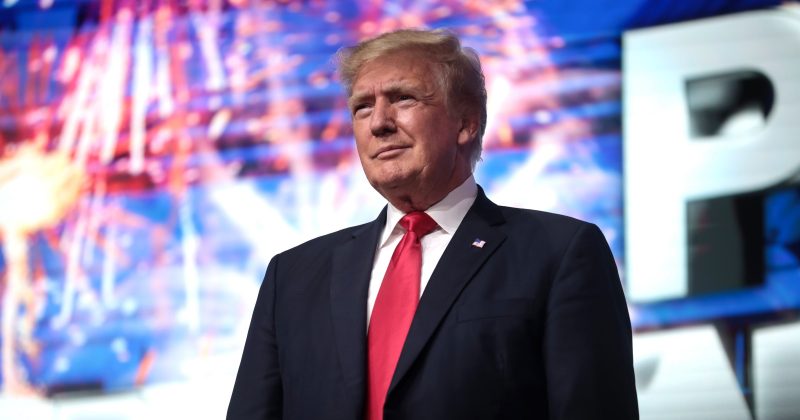
A major shift in global policy is on the horizon as the Trump administration prepares to sign a sweeping sanctions bill targeting Russia and Iran. This strategic move aims to tighten economic pressure on key adversaries, but it simultaneously introduces significant volatility into the global macroeconomic landscape.
Beyond the immediate political fallout, the bill is expected to heighten geopolitical tensions and potentially derail U.S.-Iran diplomatic efforts. Most critically, the market anticipates a surge in global energy costs, making energy price fluctuations a primary concern for investors navigating this period of heightened uncertainty.
President Trump is set to sign a landmark sanctions bill targeting Russia and Iran, a move that is expected to have far-reaching implications for global stability. The legislation is designed to exert maximum economic pressure, yet analysts warn it may inadvertently heighten geopolitical tensions and hinder ongoing U.S.-Iran diplomatic efforts.
Of particular concern to the markets is the potential impact on energy sectors. The sanctions could lead to increased global energy costs, creating a ripple effect that impacts inflation and commodity pricing worldwide, forcing a reassessment of risk in both traditional and digital asset markets.
This is a summarized and adapted version by Artificial Intelligence. To read the complete original story, visit the official source.
Read Full Article at Crypto BriefingSupport Jornal Bitcoin
Independent journalism, curated by AI, no clickbait. Keep the flame alive with any amount of BTC.
jonata@walletofsatoshi.comDaily Crypto Brief 📬
Subscribe to receive the curation of the most important Bitcoin and crypto news, summarized by AI. No spam.
Join more than 10,000 smart readers.
Related News

Geopolitical Shockwave: US-Saudi Joint Strike Targets Iran-Backed Groups in Iraq
The fallout from this operation is expected to reshape U.S.-Iran dynamics and compromise the security of Gulf states. As geopolitical instability rises, market stability remains under threat, potentially driving volatility across global financial markets and influencing the movement of digital assets.
Geopolitical Alert: CENTCOM Strikes Iran-Backed Groups in Iraq Amid Rising Threats
These developments pose a serious threat to ongoing diplomatic negotiations and could trigger sudden shifts in market stability. As geopolitical tensions rise, the ripple effects on global liquidity and investor sentiment remain a primary concern for those tracking macro-economic volatility.
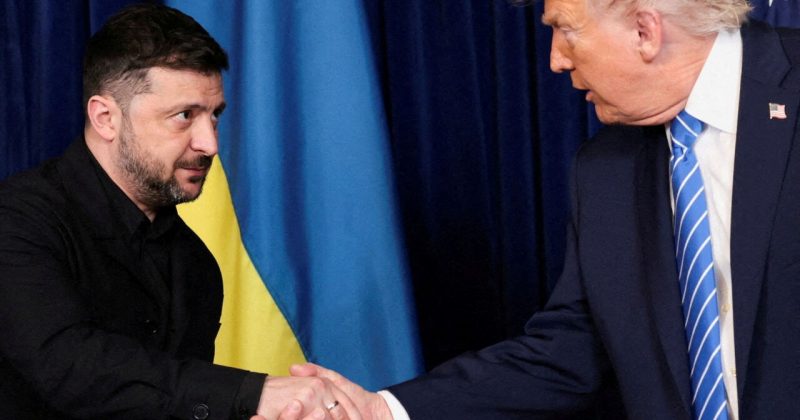
Geopolitical Shakeup: Zelensky and Netanyahu Meet Trump in Washington
The encounter underscores the persistent geopolitical tensions surrounding ongoing warfare. The outcome of these discussions may drastically alter ceasefire prospects and global diplomatic efforts, creating significant ripples across the macroeconomic landscape and international relations.

Geopolitical Flashpoint: US Refueling Tankers Airborne Following Iranian Missile Strike
Heightened U.S.-Iran tensions threaten to cause prolonged disruptions in the Strait of Hormuz, a move that would cripple global oil flow and destabilize international markets. As geopolitical risk rises, the potential for market volatility remains a primary concern for those monitoring the intersection of energy security and global economic stability.
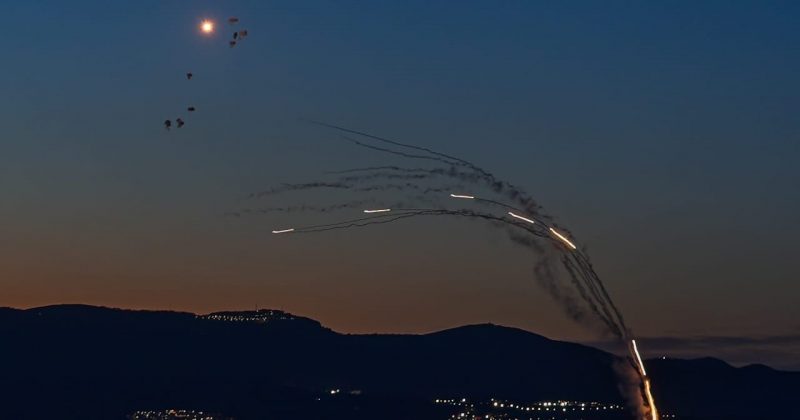
Geopolitical Shock: Iran Missile Attack on US Bases Threatens Global Stability
Beyond the immediate battlefield, the attack is poised to influence global market perceptions of conflict risk. As uncertainty rises, investors are closely monitoring how these heightened tensions will impact market volatility and the broader economic landscape in response to sudden geopolitical shifts.

Middle East Crisis: US Base Attack in Jordan Ignites Iran Tensions and Sends Oil Prices Soaring
Rising geopolitical tensions are expected to drive sustained oil price volatility, posing significant challenges to global energy security strategies. As the situation evolves, the ripple effects on global markets could reshape investment flows, forcing a shift toward defensive assets amidst heightened geopolitical risk.
