Middle East Crisis: US Base Attack in Jordan Ignites Iran Tensions and Sends Oil Prices Soaring

A targeted attack on a US military base in Jordan has reignited intense tensions with Iran, sending shockwaves through global financial markets. This sudden escalation has triggered an immediate jump in oil prices, as investors brace for potential retaliatory actions and broader regional instability.
Rising geopolitical tensions are expected to drive sustained oil price volatility, posing significant challenges to global energy security strategies. As the situation evolves, the ripple effects on global markets could reshape investment flows, forcing a shift toward defensive assets amidst heightened geopolitical risk.
This is a summarized and adapted version by Artificial Intelligence. To read the complete original story, visit the official source.
Read Full Article at Crypto BriefingSupport Jornal Bitcoin
Independent journalism, curated by AI, no clickbait. Keep the flame alive with any amount of BTC.
jonata@walletofsatoshi.comDaily Crypto Brief 📬
Subscribe to receive the curation of the most important Bitcoin and crypto news, summarized by AI. No spam.
Join more than 10,000 smart readers.
Related News
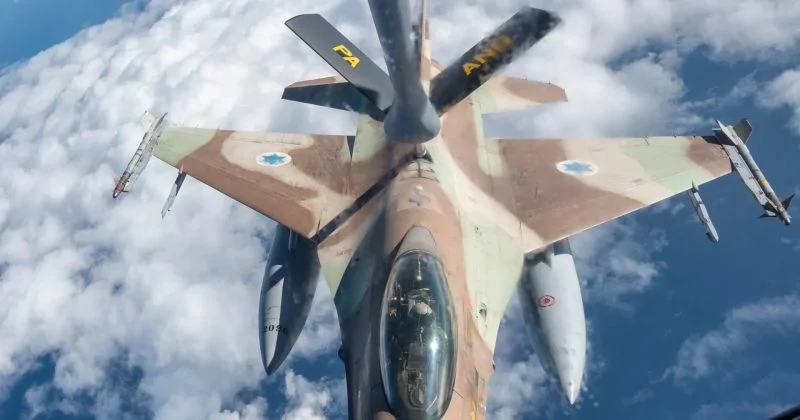
Geopolitical Flashpoint: US Refueling Tankers Airborne Following Iranian Missile Strike
Heightened U.S.-Iran tensions threaten to cause prolonged disruptions in the Strait of Hormuz, a move that would cripple global oil flow and destabilize international markets. As geopolitical risk rises, the potential for market volatility remains a primary concern for those monitoring the intersection of energy security and global economic stability.
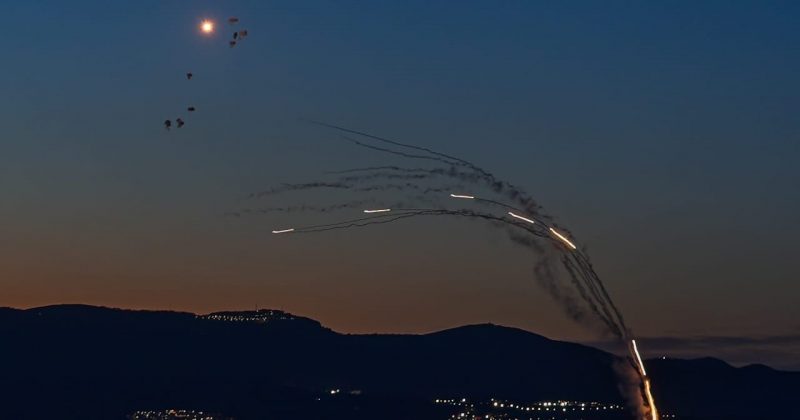
Geopolitical Shock: Iran Missile Attack on US Bases Threatens Global Stability
Beyond the immediate battlefield, the attack is poised to influence global market perceptions of conflict risk. As uncertainty rises, investors are closely monitoring how these heightened tensions will impact market volatility and the broader economic landscape in response to sudden geopolitical shifts.
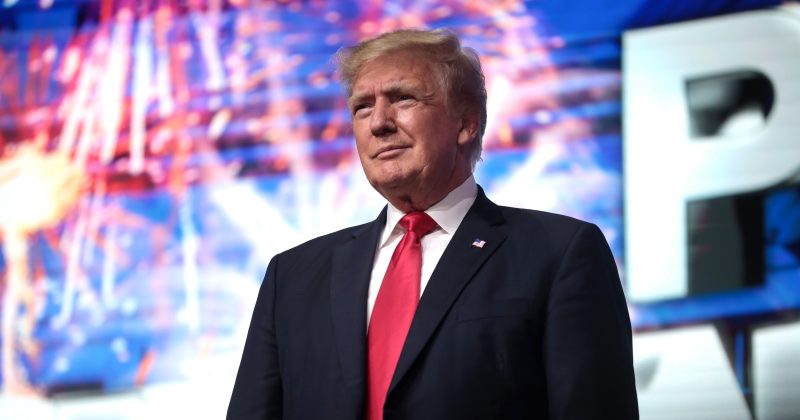
Oil Prices & Economic Impact: The Real Driver Behind Trump’s Iran Strategy
As the intersection of energy and diplomacy tightens, the consequences will extend far beyond the Middle East, affecting global market trends and future geopolitical strategies. For market participants, monitoring this link between oil volatility and political maneuvering is essential for long-term risk management.

Global Alert: Iran Threatens Hormuz Transit Ban Over Frozen Assets
An escalation in the Strait of Hormuz would trigger massive shocks across global energy markets and international shipping dynamics. As geopolitical instability rises, the potential for market volatility increases, forcing a re-evaluation of risk management in both traditional and decentralized financial sectors.
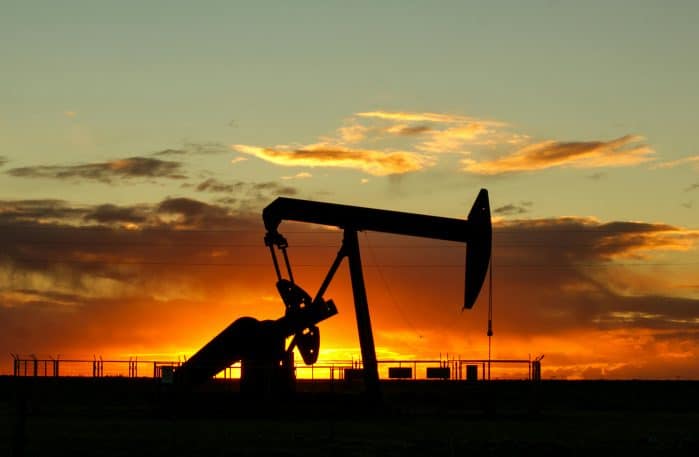
Strategic Pivot: Saudi Arabia Embraces Costly Mediterranean Route to Bypass Hormuz
While this move aims to stabilize global supply chains, the increased operational costs of these alternative routes could drive global oil prices higher. Market participants should prepare for potential volatility as this logistical reconfiguration reshapes the energy landscape and impacts global inflation.
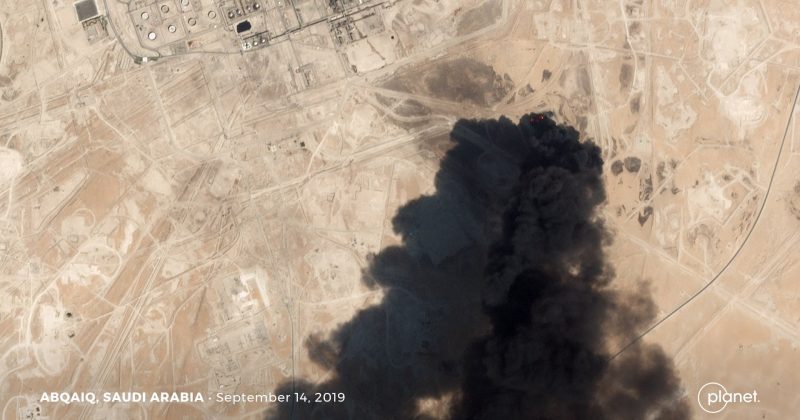
Geopolitical Alert: Saudi Arabia Intercepts Drones Targeting Oil Facilities
While the immediate interception may reduce the risk of an escalating conflict, the ongoing instability poses a significant threat to regional stability and market perceptions. For the crypto market, such geopolitical friction often dictates the flow of capital between traditional commodities and digital assets.
