Trump Drops Proposed 20% Hormuz Cargo Fee, Easing Global Oil Tensions
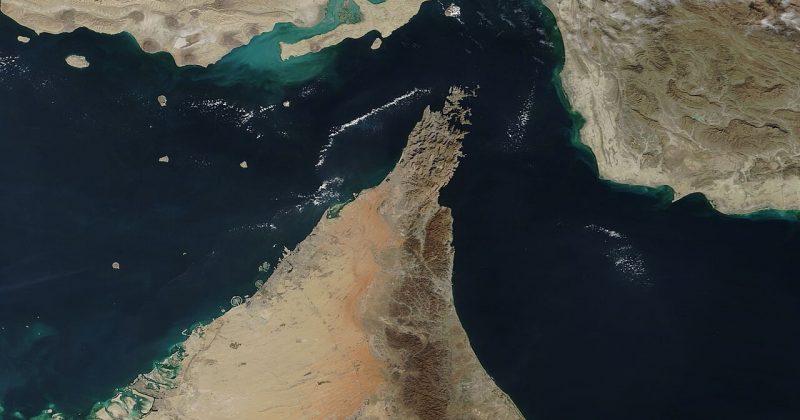
In a significant geopolitical shift, Donald Trump has abandoned the proposal to impose a 20% cargo fee on the Strait of Hormuz. This strategic reversal directly alleviates potential economic strain and prevents an immediate spike in energy costs that would have rattled global markets.
By stabilizing oil markets, this decision reduces the likelihood of extreme volatility affecting high-risk assets. The move highlights the intricate ties between global geopolitics and the crypto market, as macro-stability remains a primary driver for digital asset liquidity and investor sentiment.
This is a summarized and adapted version by Artificial Intelligence. To read the complete original story, visit the official source.
Read Full Article at Crypto BriefingSupport Jornal Bitcoin
Independent journalism, curated by AI, no clickbait. Keep the flame alive with any amount of BTC.
jonata@walletofsatoshi.comDaily Crypto Brief 📬
Subscribe to receive the curation of the most important Bitcoin and crypto news, summarized by AI. No spam.
Join more than 10,000 smart readers.
Related News

Institutional Power Move: Anchorage Digital Adds Native TRX Staking and TRC-20 Support
By integrating these capabilities, Anchorage Digital is facilitating deeper liquidity and participation in the TRON ecosystem through a regulated framework. This expansion is a significant milestone for TRC-20 assets, as it allows large-scale institutions to capture staking rewards and manage digital assets with the highest standards of security and compliance.
Beyond Trading: Binance’s Bold Pivot Toward a Crypto 'Super App' Era
This pivot aims to transform the platform into a comprehensive 'super app' for the crypto economy. As stablecoins continue to reshape market growth, Binance is positioning itself to capture more than just traders, targeting the broader utility of digital assets in everyday financial life.
UK Tax Breakthrough: New 'No Gain, No Loss' Rule to Defer Crypto Capital Gains
This strategic move is expected to impact roughly 700,000 individuals by aligning tax obligations with actual economic disposals. By ensuring that gains and losses are only recognized when a participant exits a position economically, the UK aims to foster a fairer tax system that reflects the complex mechanics of modern crypto-lending and liquidity arrangements.
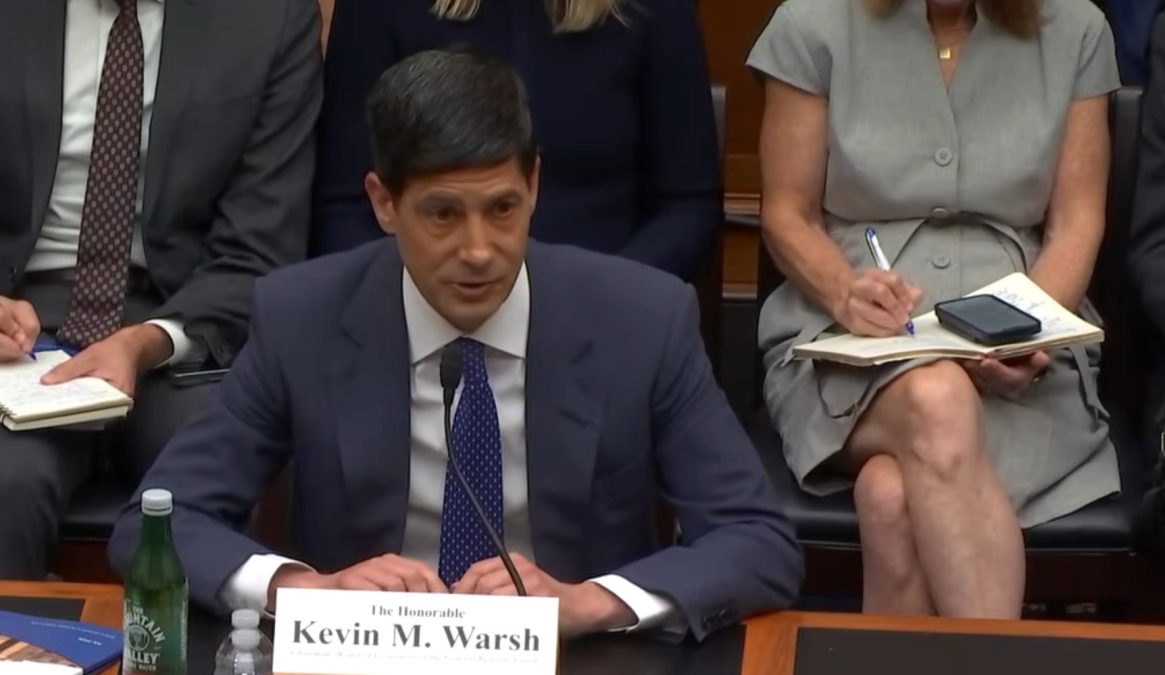
No Bailout: Fed Chair Signals No Safety Net for Stablecoins During Crisis
The implications for the crypto market are profound, as this policy forces a higher standard of collateralization and transparency to prevent contagion. While Warsh remains a vocal proponent of Bitcoin, describing it as an 'important asset,' his refusal to protect stablecoins creates a bifurcated regulatory landscape where Bitcoin's value is recognized, but its secondary stablecoin infrastructure remains exposed to market volatility.
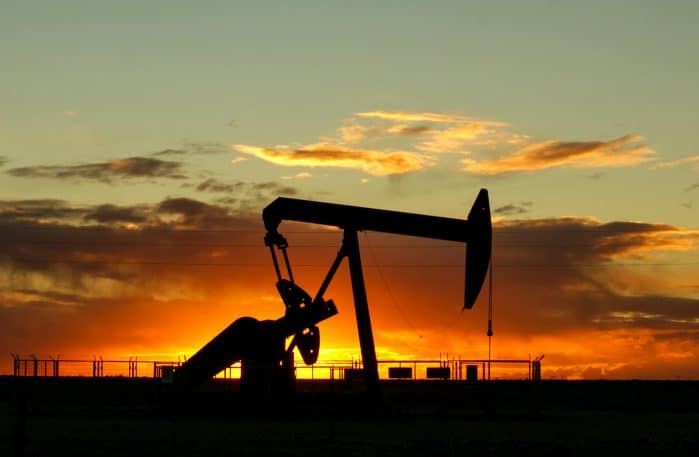
Geopolitical Shockwave: Graham’s Tariffs Bill Targets China and India Over Russian Oil Imports
Beyond the immediate diplomatic fallout, the bill threatens to disrupt the global oil supply and drive energy prices higher. Such a move poses a direct threat to global economic stability, creating a ripple effect that could impact everything from commodity markets to broader financial volatility.
Crackdown on Scams: North Carolina Implements Strict New Rules for Crypto ATMs
Beyond immediate operational constraints, the law introduces vital refund rights for victims of scams, providing a safety net for retail users. This regulatory shift aims to increase accountability within the crypto ATM industry and enhance overall security for digital asset transactions in the state.
