Geopolitical Escalation: US Missile Strike Hits Andimeshk as Iran Airspace Closure Looms

Tensions in the Middle East have surged following a US missile strike targeting Andimeshk, marking a dangerous escalation in regional hostilities. As Iranian air attacks intensify, the threat of a broader military confrontation poses a direct challenge to international stability and global energy corridors.
The potential for a total closure of Iranian airspace is becoming a significant concern, with forecasts suggesting a 33.5% chance of closure by July 31 and a 53.5% chance by August 31. For investors, this geopolitical volatility serves as a critical signal, as such high-stakes conflicts often trigger massive shifts in liquidity and a flight to safety within the crypto markets.
A US missile strike has targeted Andimeshk amid escalating conflict and intensifying Iranian air attacks. The situation has raised alarms regarding the potential for a full closure of Iran's airspace. Current projections suggest a 33.5% likelihood of airspace closure by July 31, increasing to a 53.5% probability by August 31. The global community and financial markets are closely watching the developments as the risk of regional escalation grows.
This is a summarized and adapted version by Artificial Intelligence. To read the complete original story, visit the official source.
Read Full Article at Crypto BriefingSupport Jornal Bitcoin
Independent journalism, curated by AI, no clickbait. Keep the flame alive with any amount of BTC.
jonata@walletofsatoshi.comDaily Crypto Brief 📬
Subscribe to receive the curation of the most important Bitcoin and crypto news, summarized by AI. No spam.
Join more than 10,000 smart readers.
Related News

Global Alert: US State Department Issues Travel Caution Amid Middle East Tensions
Adding complexity to the situation, reports suggest that Iran reconstruction funding could reach 28.5% under a potential US-Iran deal by 2026. As these geopolitical tensions unfold, the intersection of international diplomacy and global economic stability remains a critical focal point for market participants.
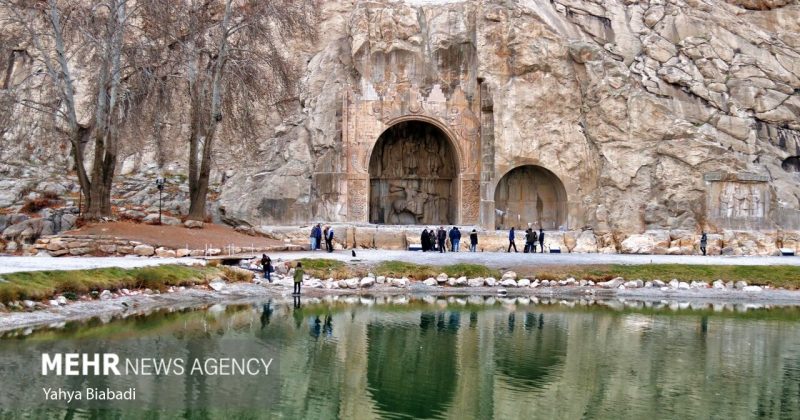
Geopolitical Escalation: US Expands Iran Strikes, Heightening Crypto Market Risk
With a full airspace closure projected by August 31, the geopolitical instability is expected to disrupt traditional trade routes and increase market volatility. For the crypto community, monitoring these military developments is essential to understanding sudden shifts in liquidity and risk appetite across the global financial landscape.

Israel Political Shakeup: Polymarket Bets on Eizenkot Surge to 50% Amid Security Threats
The shift follows reports from Israeli police regarding the arrest of two suspects in Shuafat linked to an alleged plot to attack Jerusalem. With weapons seized in A-Ram and Beit Hanina, the heightened security tension is directly impacting how prediction markets price the likelihood of leadership changes in the region.
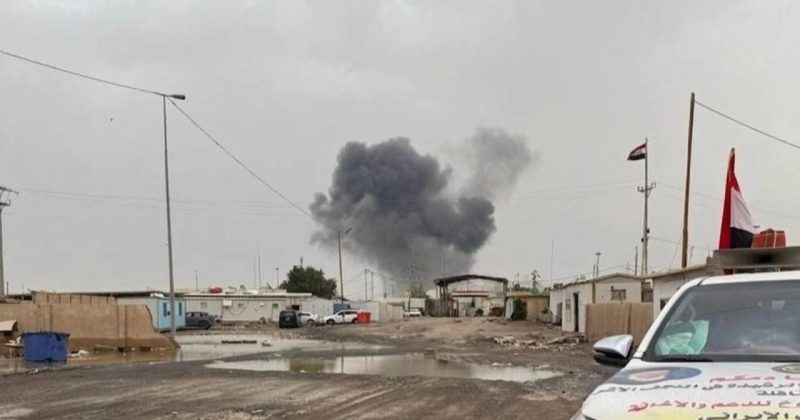
US Airstrike Kills Two at Shalamcheh Border: Geopolitical Tensions Surge
As geopolitical tensions rise, market analysts are closely watching for potential ripple effects on global finance. The uncertainty surrounding the Iranian regime and regional security could drive significant volatility in the crypto market, as investors pivot toward Bitcoin as a hedge against sudden geopolitical shocks.

US Crackdown: $130M Crypto Wallet Linked to Iran’s Revolutionary Guard Frozen
As the crackdown intensifies, the broader geopolitical landscape remains volatile. Market analysts are closely watching the intersection of crypto regulation and international diplomacy, especially with speculation regarding a potential final nuclear deal that could emerge by August 13, 2026, potentially shifting the global economic paradigm.
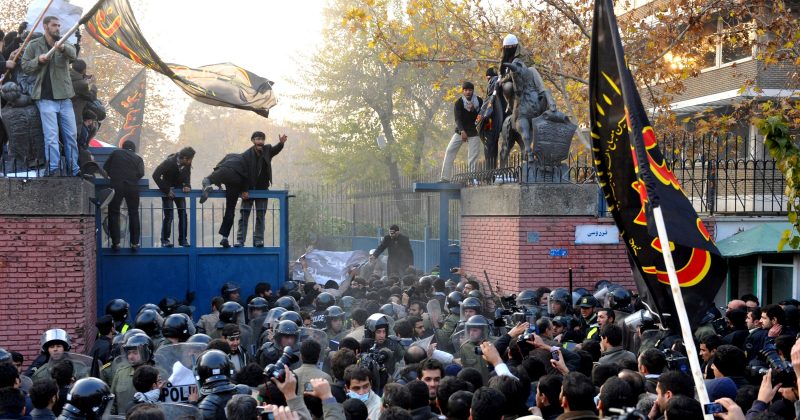
Geopolitical Crisis: UK Evacuates Personnel from Iran Amid Escalating Threats
Speculation regarding potential military action by a European nation by August 31 has added fuel to the fire, creating a sense of imminent confrontation. As these tensions mount, the global community remains on edge, watching for signs of military intervention that could reshape regional security and market sentiment.
