Trump Accuses China of 2020 Election Interference, Threatening Trade Truce
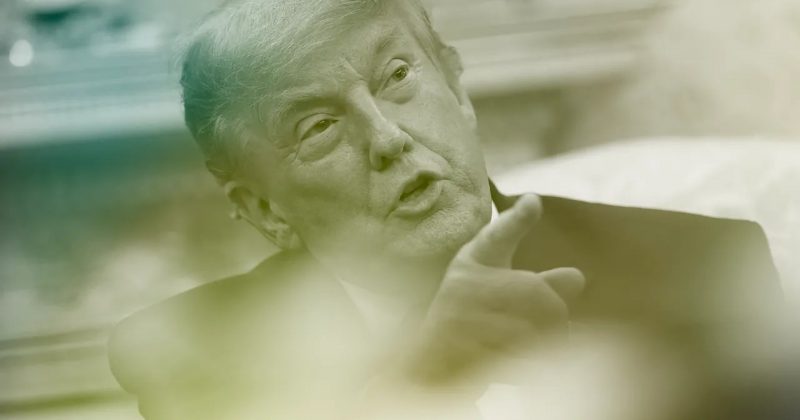
Geopolitical tensions are surging as Donald Trump accuses China of interfering in the 2020 US elections. This high-stakes accusation threatens to dismantle the existing trade truce, potentially triggering a volatile period of economic retaliation and market instability.
As the diplomatic landscape shifts, the impact on global trade remains uncertain. Market analysts are closely monitoring the situation, noting that a potential visit by Xi Jinping to the US before 2027—currently projected at an 89% probability—could be the decisive factor in preventing a full-scale trade war.
Donald Trump has leveled serious accusations against China, claiming the nation interfered in the 2020 election cycle. This development risks collapsing the fragile trade truce between the two superpowers, sparking fears of renewed economic conflict. Amidst the friction, diplomatic speculation remains high, with data suggesting an 89% chance that Xi Jinping will visit the United States before 2027 to address these escalating tensions.
This is a summarized and adapted version by Artificial Intelligence. To read the complete original story, visit the official source.
Read Full Article at Crypto BriefingSupport Jornal Bitcoin
Independent journalism, curated by AI, no clickbait. Keep the flame alive with any amount of BTC.
jonata@walletofsatoshi.comDaily Crypto Brief 📬
Subscribe to receive the curation of the most important Bitcoin and crypto news, summarized by AI. No spam.
Join more than 10,000 smart readers.
Related News

Geopolitical Flashpoint: US-Iran Strikes in Strait of Hormuz Send Markets on Edge
Amidst the kinetic conflict, a strategic layer emerges regarding a potential US-Iran deal involving reconstruction funding slated for 2026, currently sitting at a 26.5% approval threshold. The interplay between immediate military strikes and these long-term diplomatic frameworks will dictate the trajectory of global market volatility.

Trump-Backed CLARITY Act Moves Forward Despite Total Democratic Opposition
With Democrats explicitly stating they will not support the current draft, the bill faces a steep uphill battle. To succeed, the legislation requires at least 7 Democratic votes, a threshold that currently seems impossible to reach, signaling a period of intense political friction regarding crypto regulation and legislative strategy.
Global Shock: China's Oil Imports Plunge to Lowest Levels Since 2016 Amid Iran Conflict
As crude oil prices eye new all-time highs by September 30, with a projected 5.1% surge, the market is bracing for extreme volatility. Investors are closely watching for signs of a partial recovery in Chinese demand, as the interplay between Middle Eastern geopolitics and major economic powers continues to dictate the rhythm of global commodity markets.
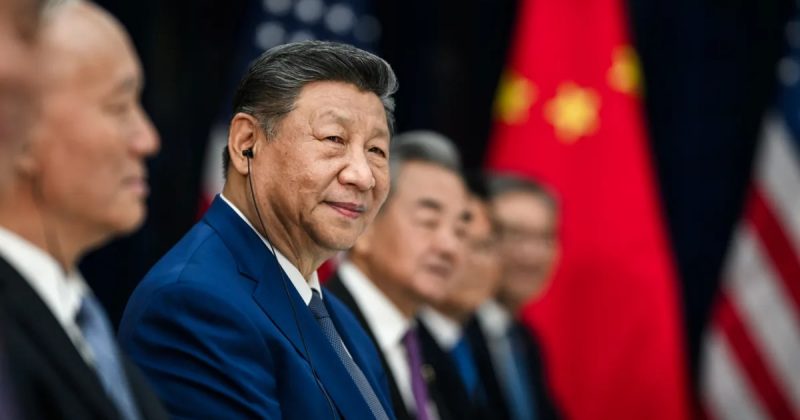
Xi Jinping Challenges Tech Hegemony: China Celebrates Low-Cost AI Breakthroughs at Shanghai Summit
By prioritizing affordable AI solutions, China is positioning itself to lead the next wave of digital transformation, potentially bypassing traditional hardware bottlenecks. This strategic pivot toward cost-effective intelligence could fundamentally disrupt the current global tech landscape and shift the balance of power in the AI arms race.

Global Chaos: Iranian Revolutionary Guard Halts Oil Exports, Sending Energy and Crypto Markets into Turmoil
Beyond the immediate energy crisis, this geopolitical shift highlights the critical impact of Iran's $3B crypto sanctions. As tensions rise, the intersection of energy scarcity and digital asset restrictions is creating a high-stakes environment, forcing market participants to navigate a landscape where geopolitical instability directly dictates asset pricing and liquidity.

Geopolitical Flashpoint: US Marines Board Tanker Amid Iranian Port Blockade
Despite the immediate friction, maritime intelligence suggests that traffic through the Strait of Hormuz is expected to normalize by July 31, with a narrow 0.9% variance. Investors and analysts are closely monitoring these geopolitical shifts, as sudden disruptions in energy corridors often trigger massive liquidity movements across both traditional and crypto markets.
