Oil Prices & Economic Impact: The Real Driver Behind Trump’s Iran Strategy
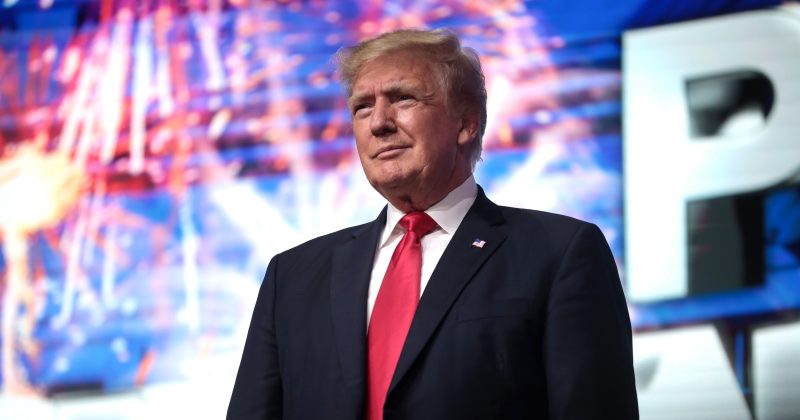
Expert analysis from Cohen suggests that Donald Trump's approach to the Iran deal is fundamentally driven by oil prices and broader economic stability. This strategic pivot highlights how diplomatic decisions are increasingly being weaponized or utilized to safeguard global markets against sudden geopolitical shocks.
As the intersection of energy and diplomacy tightens, the consequences will extend far beyond the Middle East, affecting global market trends and future geopolitical strategies. For market participants, monitoring this link between oil volatility and political maneuvering is essential for long-term risk management.
This is a summarized and adapted version by Artificial Intelligence. To read the complete original story, visit the official source.
Read Full Article at Crypto BriefingSupport Jornal Bitcoin
Independent journalism, curated by AI, no clickbait. Keep the flame alive with any amount of BTC.
jonata@walletofsatoshi.comDaily Crypto Brief 📬
Subscribe to receive the curation of the most important Bitcoin and crypto news, summarized by AI. No spam.
Join more than 10,000 smart readers.
Related News

Geopolitical Flashpoint: US Refueling Tankers Airborne Following Iranian Missile Strike
Heightened U.S.-Iran tensions threaten to cause prolonged disruptions in the Strait of Hormuz, a move that would cripple global oil flow and destabilize international markets. As geopolitical risk rises, the potential for market volatility remains a primary concern for those monitoring the intersection of energy security and global economic stability.

Geopolitical Shock: Iran Missile Attack on US Bases Threatens Global Stability
Beyond the immediate battlefield, the attack is poised to influence global market perceptions of conflict risk. As uncertainty rises, investors are closely monitoring how these heightened tensions will impact market volatility and the broader economic landscape in response to sudden geopolitical shifts.

Seagate Crushes Earnings Expectations, Fueling the AI Infrastructure Gold Rush
This momentum is expected to bolster overall tech sector confidence, creating a ripple effect that could influence digital asset markets. As the AI revolution accelerates, the reliance on massive data storage becomes a primary driver for both traditional tech stocks and the broader digital economy.
Market Skepticism Surges: Odds of US-Iran Ceasefire Holding Drop Sharply
Adding to the tension, traders on Myriad suggest that meaningful peace talks are unlikely to materialize until next month. This growing distrust in diplomatic resolutions highlights the heightened geopolitical risk currently impacting global asset prices and investor sentiment regarding the Iran conflict.

Middle East Crisis: US Base Attack in Jordan Ignites Iran Tensions and Sends Oil Prices Soaring
Rising geopolitical tensions are expected to drive sustained oil price volatility, posing significant challenges to global energy security strategies. As the situation evolves, the ripple effects on global markets could reshape investment flows, forcing a shift toward defensive assets amidst heightened geopolitical risk.

Citi/YouGov Survey: UK Inflation Expectations Drop Back Toward Pre-Iran War Levels
For the Bank of England (BoE), the move could reduce immediate policy pressure and soften hawkish expectations. But with energy markets still volatile, the UK may face fresh inflation shocks, keeping macro uncertainty—and rate sensitivity—on the table.
