TRON Revolution: Gasless USDT Volume Surges to a Massive $3 Billion

The TRON ecosystem has reached a historic milestone as gasless USDT transaction volume hits the $3 billion mark. This massive surge highlights a fundamental shift in how users interact with stablecoins, effectively removing the traditional friction caused by network gas fees.
By making stablecoin payments smoother and more accessible, TRON is cementing its dominance in the global payments landscape. This breakthrough in transaction efficiency is expected to drive massive adoption among users who prioritize speed and low-cost utility in their digital asset transfers.
TRON's gasless USDT volume has officially hit a staggering $3 billion, signaling a major evolution in stablecoin payment efficiency. By eliminating the requirement for gas fees in specific USDT transactions, the network is drastically lowering the barrier to entry for both retail and institutional users.
As stablecoin payments become increasingly seamless, TRON is positioning itself as the premier layer for real-world value transfer. This milestone underscores the network's ability to provide scalable, user-friendly solutions that compete directly with legacy financial systems, setting a new benchmark for the entire crypto industry.
This is a summarized and adapted version by Artificial Intelligence. To read the complete original story, visit the official source.
Read Full Article at BitcoinistSupport Jornal Bitcoin
Independent journalism, curated by AI, no clickbait. Keep the flame alive with any amount of BTC.
jonata@walletofsatoshi.comDaily Crypto Brief 📬
Subscribe to receive the curation of the most important Bitcoin and crypto news, summarized by AI. No spam.
Join more than 10,000 smart readers.
Related News
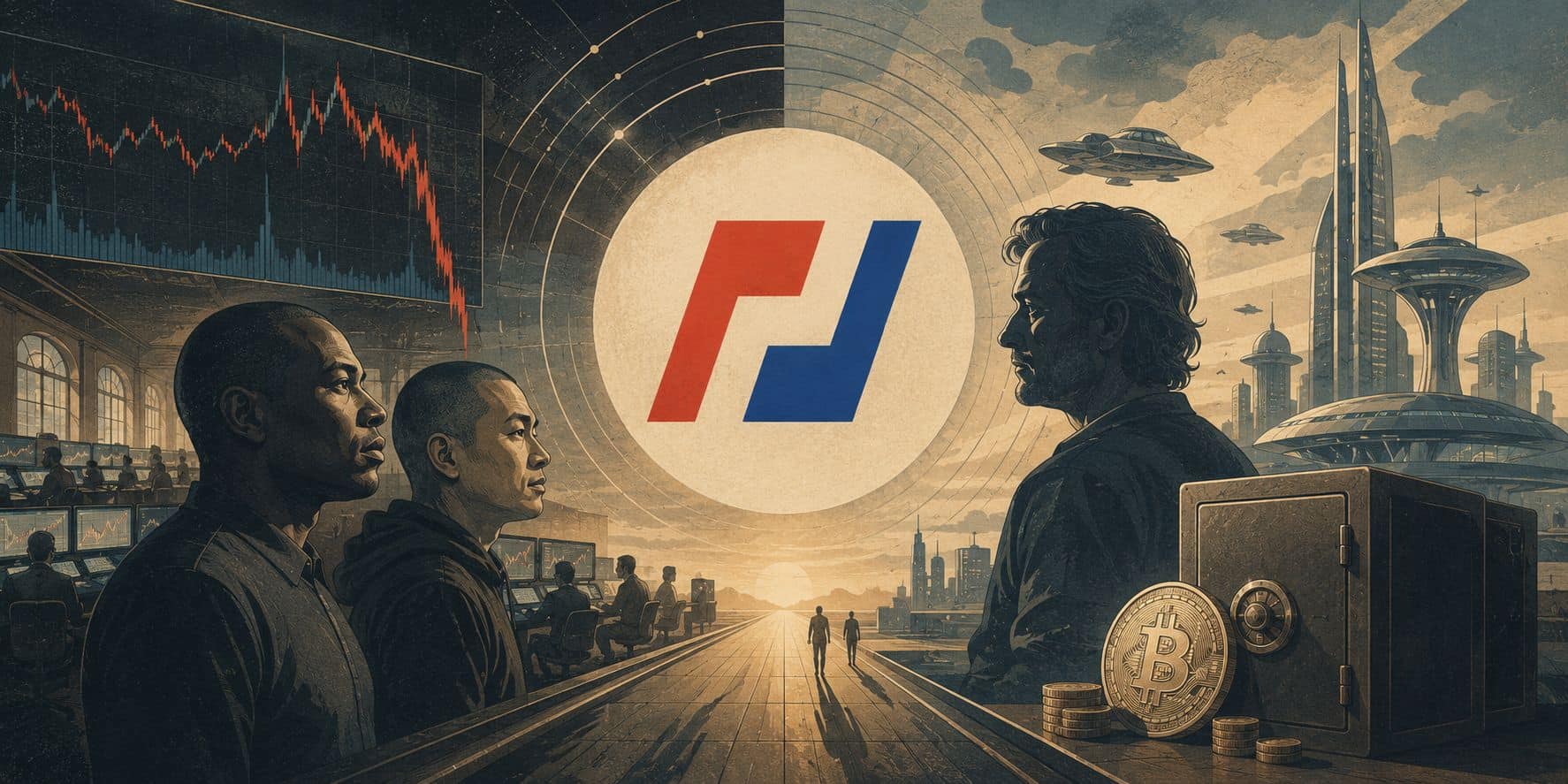
End of an Era: BitMEX Shuts Down After 11 Years as Arthur Hayes Bids Farewell
As Arthur Hayes bids farewell to the platform, industry titans like CZ are reflecting on the profound legacy left by the exchange. The dissolution of BitMEX is not just the end of a company, but a pivotal moment for market liquidity and the evolution of decentralized and centralized derivatives infrastructure.
Wall Street Giant: Franklin Templeton Selects BNB Chain for Benji Assets
By leveraging the Binance-backed blockchain, the asset manager aims to optimize liquidity and efficiency for its tokenized products. This development positions the BNB Chain as a central player in the financial asset tokenization narrative, potentially drawing massive institutional capital into the ecosystem.

Crypto Pullback: Dogecoin and Ether Slump as Tech Earnings Shake Markets
Despite this localized volatility, most major cryptocurrencies remain up on the week. Market participants are now shifting their attention toward next week's Fed meeting, anticipating how central bank signals will influence broader liquidity and crypto market trends.
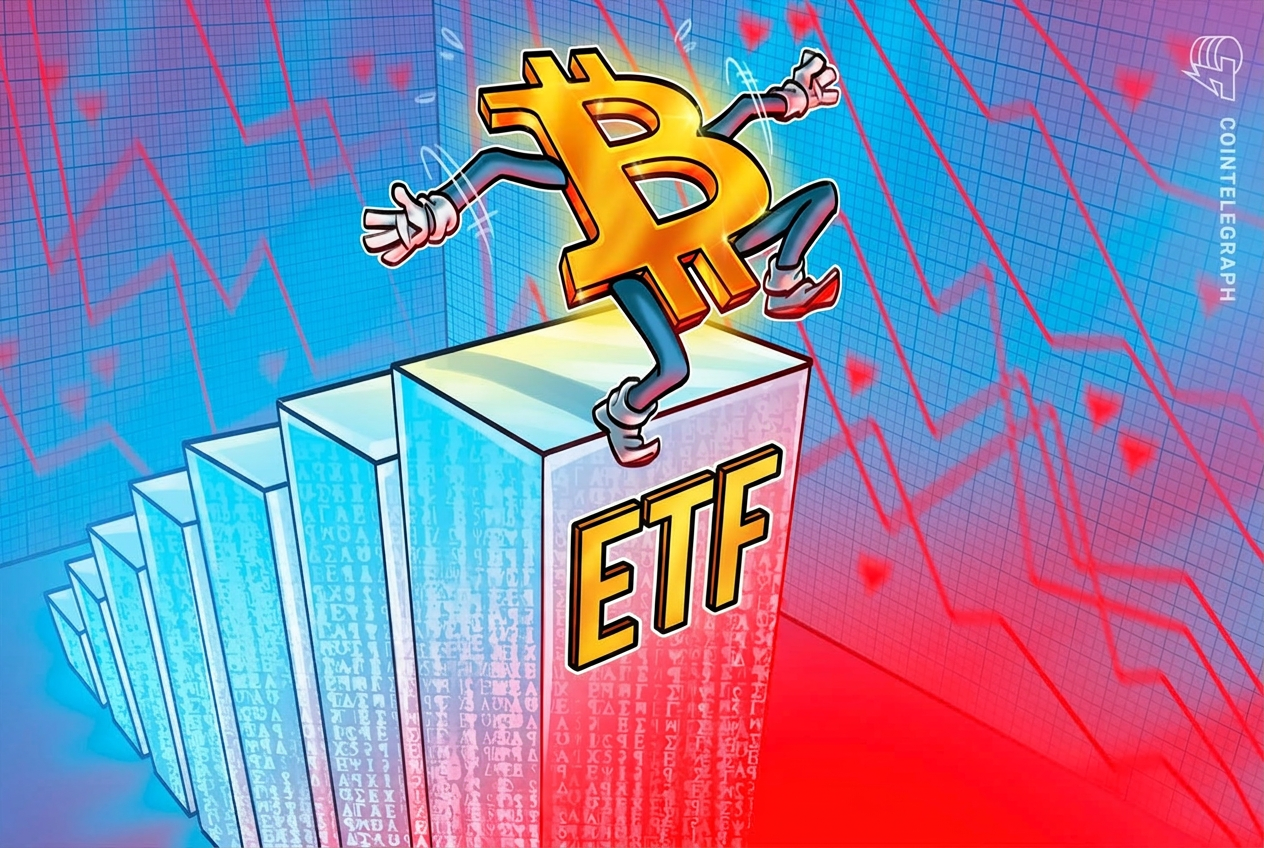
Bitcoin ETF Streak Broken: $225M Outflow Ends Massive Inflow Rally
While the sudden outflow of capital may trigger concerns regarding short-term volatility, the broader weekly trend remains resilient. As of Thursday, the funds have still managed to attract approximately $274 million in net inflows for the week, suggesting that the underlying demand for Bitcoin ETFs remains robust despite this momentary shift in market sentiment.

Mining Crisis: Major Bitcoin Mining Pool Poolin Files for Chapter 11 Bankruptcy
This bankruptcy filing could trigger a significant shift in the global Bitcoin hashrate and mining profitability metrics. As the industry processes this news, the fallout from Poolin's restructuring will likely serve as a cautionary tale regarding the financial sustainability of massive mining pools.

US Air Strike Hits Iran: Geopolitical Escalation Sends Shockwaves Through Markets
As the situation unfolds, the potential for broader conflict could drive massive volatility across the crypto market. Investors are closely watching how this geopolitical instability affects Bitcoin and the broader digital asset landscape, especially as airspace closures and regional unrest threaten to disrupt traditional economic stability.
