US Air Strike Hits Iran: Geopolitical Escalation Sends Shockwaves Through Markets
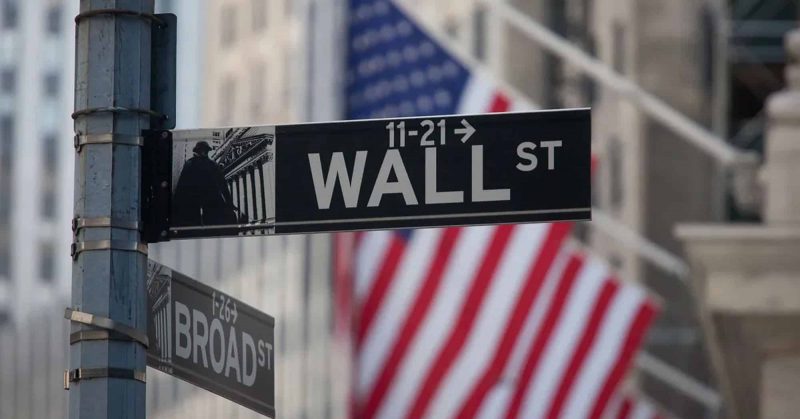
A US air strike has targeted Piranshahr in Iran’s West Azarbaijan province, signaling a dangerous escalation in Middle East tensions. This military action introduces significant geopolitical risk, forcing market participants to brace for sudden shifts in global liquidity and asset pricing.
As the situation unfolds, the potential for broader conflict could drive massive volatility across the crypto market. Investors are closely watching how this geopolitical instability affects Bitcoin and the broader digital asset landscape, especially as airspace closures and regional unrest threaten to disrupt traditional economic stability.
This is a summarized and adapted version by Artificial Intelligence. To read the complete original story, visit the official source.
Read Full Article at Crypto BriefingSupport Jornal Bitcoin
Independent journalism, curated by AI, no clickbait. Keep the flame alive with any amount of BTC.
jonata@walletofsatoshi.comDaily Crypto Brief 📬
Subscribe to receive the curation of the most important Bitcoin and crypto news, summarized by AI. No spam.
Join more than 10,000 smart readers.
Related News
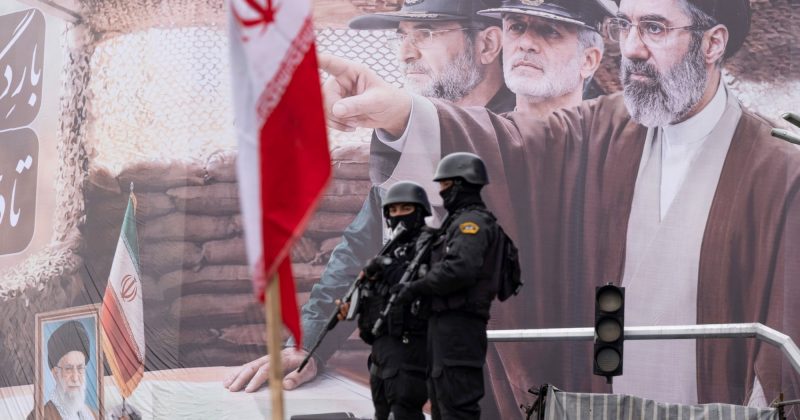
Geopolitical Escalation: US Missile Strike Hits IRGC Naval Base in Iran
Compounding the risk, there is a 59% probability of a full airspace closure by August 31. Such high-stakes geopolitical instability is a primary driver of market volatility, forcing investors to reassess risk profiles across both traditional and crypto asset classes.
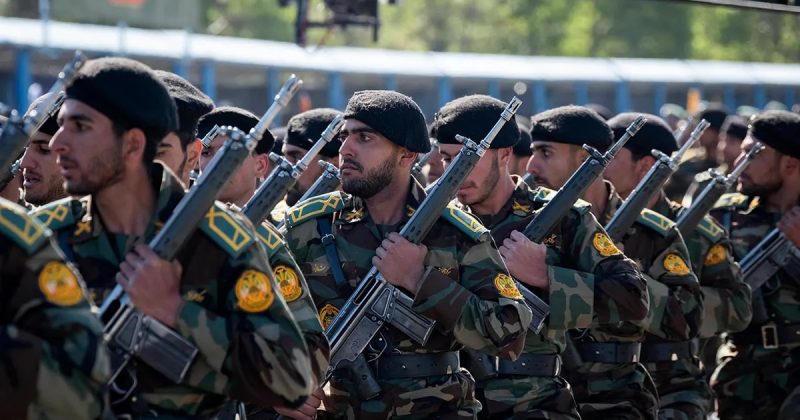
War Alert: Iran Targets US Bases in Jordan and Bahrain Amid Escalating Tensions
This heightened friction raises serious concerns regarding a potential war escalation by 2026, which could trigger massive volatility across global markets. Any military action against a Gulf state could serve as a catalyst for systemic shocks, affecting everything from energy supplies to the broader crypto market sentiment.
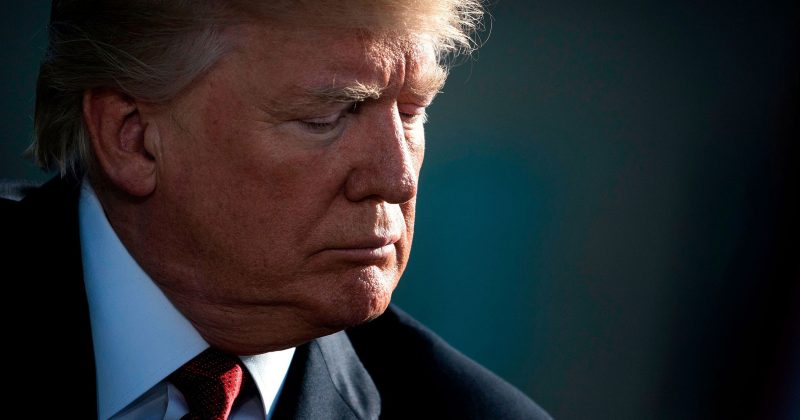
Geopolitical Flashpoint: Trump Warns Iran Over Houthi Attacks
This aggressive stance comes amidst discussions of a potential U.S.-Iran deal involving reconstruction funding slated for 2026. The interplay between military threats and diplomatic negotiations creates significant volatility, potentially influencing risk appetite across both traditional and digital asset markets.
Oil War Alert: Saudi Arabia Reroutes Exports to Suez Canal as WTI Eyes $110
Market forecasts suggest this supply chain reconfiguration could drive WTI crude prices to a staggering $110 by July 2026. As regional instability persists, the potential for a massive spike in oil prices remains a critical factor for global economic stability and energy market volatility.
Oil Surges to $100 as Trump Weighs Major Military Action Against Iran
As the threat of military escalation looms, investors are bracing for potential shocks to the energy sector and broader financial markets. The intersection of geopolitical instability and commodity pricing creates a high-risk environment, potentially driving capital shifts across both traditional and digital asset classes.

Trump Threatens to Seize Frozen Iranian Assets for Shipping Damage Claims
The threat coincides with emerging projections regarding a potential US-Iran deal in 2026, which could involve funding for Iranian reconstruction. As market participants weigh the implications of these sanctions-driven tactics, the volatility surrounding frozen assets and international settlements remains a critical factor for global economic stability and risk assessment.
