Toomey Urges Regulators to Avoid Bank Rules for Stablecoins as CLARITY Act Nears Senate Vote

Senator Pat Toomey is urgently calling on U.S. regulators to avoid imposing traditional banking-style rules on stablecoins as the CLARITY Act approaches a critical Senate floor vote. This landmark legislation promises to reshape stablecoin regulation, potentially boosting institutional confidence and fostering innovation in the cryptocurrency sector while maintaining a balanced approach to oversight.
Toomey's stance represents a pivotal moment in American crypto regulation, seeking to establish clear guidelines without stifling the decentralized nature of digital assets. As the CLARITY Act moves forward, industry experts warn it could challenge existing DeFi models, forcing significant adaptations and potentially redefining the future of crypto governance in the United States and beyond.
This is a summarized and adapted version by Artificial Intelligence. To read the complete original story, visit the official source.
Read Full Article at Crypto BriefingSupport Jornal Bitcoin
Independent journalism, curated by AI, no clickbait. Keep the flame alive with any amount of BTC.
jonata@walletofsatoshi.comDaily Crypto Brief 📬
Subscribe to receive the curation of the most important Bitcoin and crypto news, summarized by AI. No spam.
Join more than 10,000 smart readers.
Related News

Bitcoin Bridge Halts All Swaps Indefinitely After AI Tools Outpace Security Fixes
The incident exposes a growing vulnerability in the cryptocurrency sector, where AI tools are evolving faster than security solutions. With Boltz being one of the most popular non-custodial bridges, its shutdown directly affects users who rely on these services to transfer Bitcoin between different blockchains. The situation raises urgent questions about the need for more robust and scalable defenses against AI-based threats in the crypto space.

Tokenized Equities Volume Explodes to $18.2B in July, 4.4x Surge from June
This phenomenon is directly challenging traditional financial markets and reshaping global investment dynamics. Tokenized equities offer 24/7 liquidity, global access, and reduced intermediary costs, factors attracting both institutions and individual investors. The accelerated pace of this growth suggests we're witnessing a structural transformation in the financial sector, where digital assets representing traditional stocks are becoming a mainstream asset class.
BNB Chain Launches 'Build the Era' Hackathon to Find the Official BNB Agent Studio Marketplace
This strategic move solidifies BNB Chain's position as a leader in blockchain and artificial intelligence technology, attracting global talent to build its ecosystem. The hackathon represents a milestone in the convergence of blockchain and AI, with potential applications in DeFi, NFTs, and Web3 experiences. The initiative promises to accelerate the adoption of decentralized AI agents, creating new opportunities for developers and users across the BNB network.

Nomura's Laser Digital Invests Millions in ZIGChain for Private Credit Revolution in UAE
As regulatory frameworks in the Middle East continue to evolve, this collaboration between Laser Digital and ZIGChain could accelerate the adoption of onchain private credit solutions, potentially reshaping how institutional investors access alternative credit markets. The move also highlights the UAE's strategic positioning at the forefront of digital asset adoption in the region, with blockchain and decentralized finance emerging as pillars of the next generation of global financial infrastructure.

Mastercard, Borderless Test Shared Identity Checks for Stablecoin Transfers
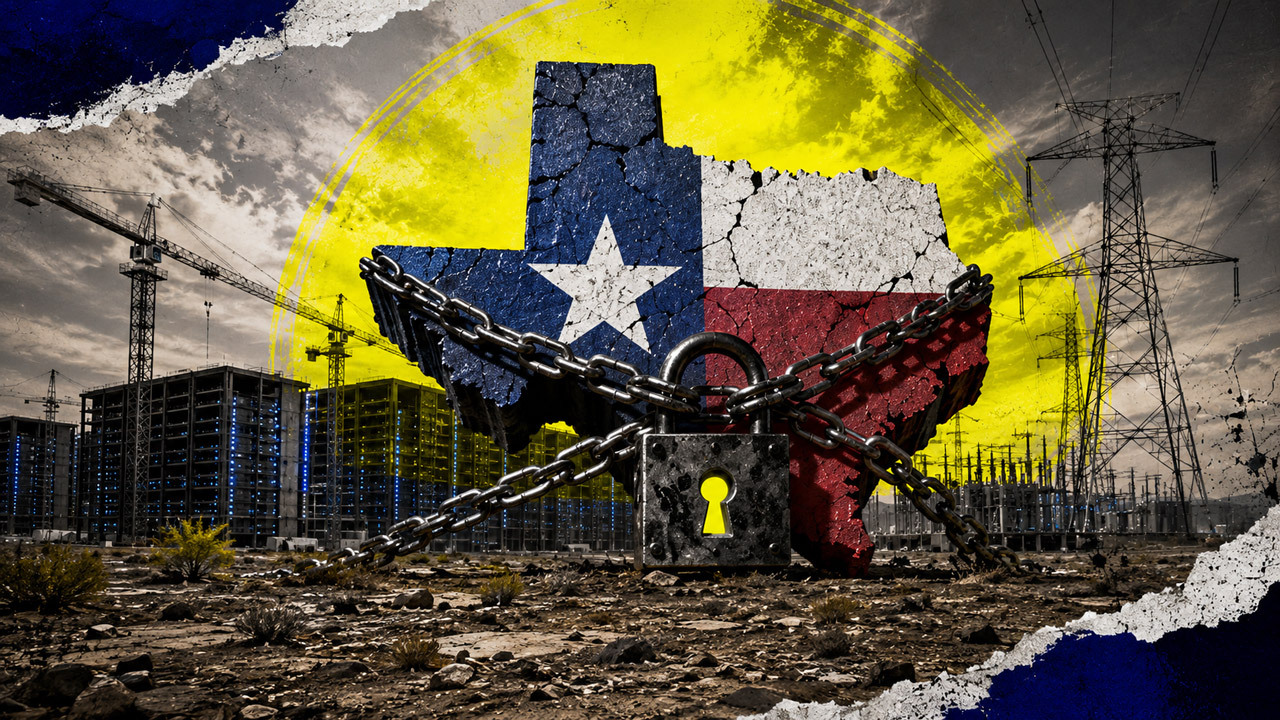
Bitcoin Mining in Texas Under Fire as State Freezes 474 GW of AI Data Center Projects
This regulatory action comes at a critical juncture for Texas, which has emerged as a global hub for Bitcoin mining due to its abundant energy supply and favorable policies. Abbott's decision could reshape the industry's future in the state, forcing miners to reconsider energy strategies and operational models. The project freeze represents a significant challenge for cryptocurrency companies and AI providers that rely on high-performance data center infrastructure, potentially slowing innovation in both blockchain and artificial intelligence sectors.
