Bitcoin Bridge Halts All Swaps Indefinitely After AI Tools Outpace Security Fixes

The Bitcoin bridge platform Boltz has indefinitely suspended all non-custodial swap services amid relentless AI-assisted attacks that its small team could no longer effectively counter. This decision marks a critical moment in the battle between cybersecurity and artificial intelligence applied to the crypto ecosystem.
The incident exposes a growing vulnerability in the cryptocurrency sector, where AI tools are evolving faster than security solutions. With Boltz being one of the most popular non-custodial bridges, its shutdown directly affects users who rely on these services to transfer Bitcoin between different blockchains. The situation raises urgent questions about the need for more robust and scalable defenses against AI-based threats in the crypto space.
Founded in 2020, Boltz became one of the most popular bridges for transferring Bitcoin between different blockchains, offering non-custodial services that allow users to maintain control of their private keys. The decision to suspend all operations represents a significant challenge for the crypto ecosystem, particularly for those who rely on these services to move funds between networks like Ethereum, Binance Smart Chain, and others.
This is a summarized and adapted version by Artificial Intelligence. To read the complete original story, visit the official source.
Read Full Article at The Daily HodlSupport Jornal Bitcoin
Independent journalism, curated by AI, no clickbait. Keep the flame alive with any amount of BTC.
jonata@walletofsatoshi.comDaily Crypto Brief 📬
Subscribe to receive the curation of the most important Bitcoin and crypto news, summarized by AI. No spam.
Join more than 10,000 smart readers.
Related News
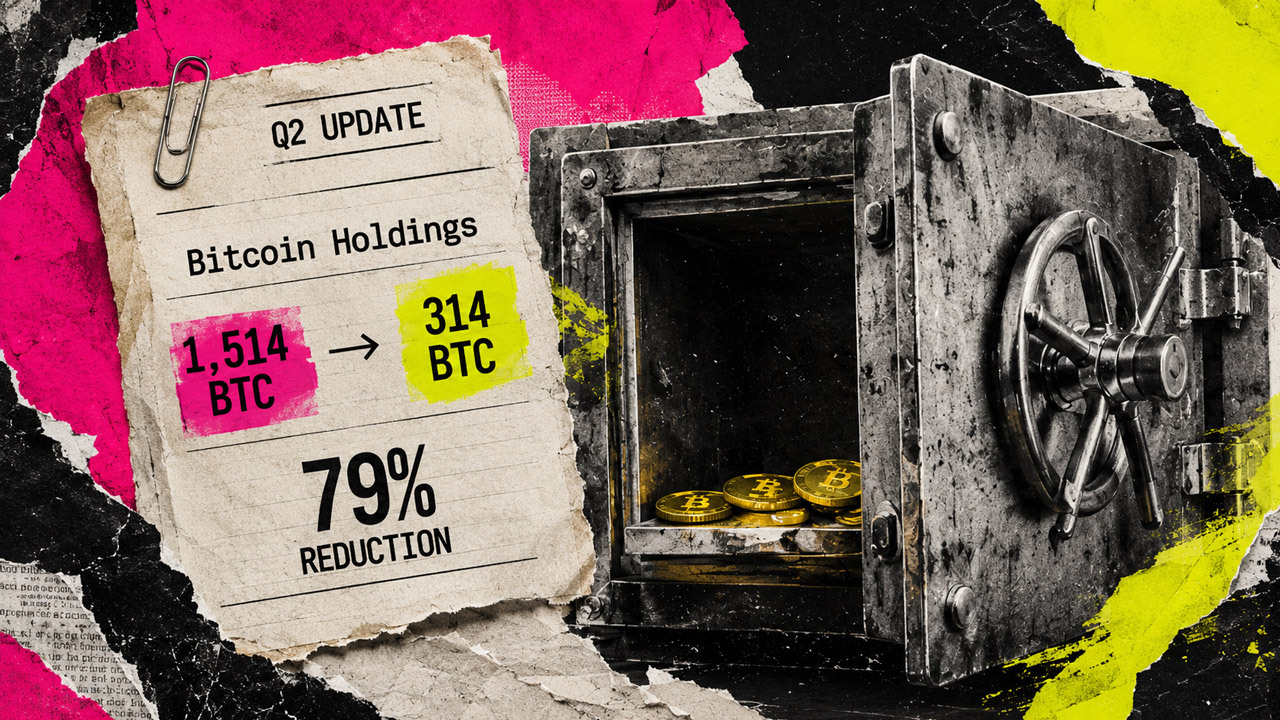
How dumping 1,200 Bitcoin helped a cellular chipmaker completely erase its debt and double its cash

Eliza Founder Declares AI Token 'Dead,' Shuts Down Foundation After Lawsuit Settlement

Ripple President Monica Long: XRP Ledger Hits 'Light Switch' Moment as Institutional Adoption Accelerates

Aave Founder Slams Ethereum's Controversial EIP-8361 Staking Proposal
The EIP-8361 proposal represents a significant shift in how validators operate on Ethereum, potentially concentrating power in the hands of large entities. Kulechov argues that such a change could undermine the fundamental principles of the Ethereum blockchain, which prioritize decentralization and censorship resistance. The community is closely watching the development of this proposal, which could shape the future of the DeFi ecosystem.

Revolutionary Move: xStocks Now Offers Voting Rights Through Payward-Broadridge Partnership
By implementing direct voting functionality, the solution significantly bridges the gap between digital assets and traditional capital markets, representing a significant milestone for institutional adoption of blockchain technology. This move demonstrates how tokenized stocks can improve corporate governance processes and democratize access to shareholder rights, strengthening confidence in the emerging digital asset ecosystem.

How You Hold Bitcoin Matters More Than How Much You Hold: Backtest Across Bull, Bear and Sideways Markets
The backtest results provide crucial insights for investors seeking to integrate Bitcoin into traditional allocations, particularly given the inherent volatility of crypto markets. The analysis highlights that trend-managed strategies can offer significant protection during downturns, while large-cap baskets provide beneficial diversification in sideways markets. This fundamental finding could reshape how investors approach Bitcoin allocation in their portfolios.
