Tether’s $20 Billion Gold Mountain: The Stablecoin Giant Moves Into Lending

Tether is weaponizing its massive $20 billion gold reserve to fuel a new era of lending operations. As the world's dominant stablecoin issuer, the company is leveraging assets equivalent to a national reserve to expand its footprint in the credit markets, signaling a massive shift in how crypto-native entities interact with global liquidity.
Backed by a staggering $141 billion exposure to US Treasuries, Tether's financial engine is running at unprecedented speeds. With reported revenues hitting $15 billion in 2025 and massive net profits in early 2026, the company is transitioning from a mere liquidity provider to a sophisticated financial powerhouse that bridges the gap between digital assets and traditional gold-backed stability.
Tether is rewriting the rules of the financial game. Already established as the world's largest stablecoin issuer, the company holds approximately $141 billion in direct and indirect exposure to US Treasuries. However, the real headline is its $20 billion mountain of gold—a reserve comparable to those of sovereign nations—which is now slated to be utilized for lending purposes.
The company's financial performance is nothing short of extraordinary, reporting $15 billion in revenue for 2025 and a net profit of $1.04 billion for the first quarter of 2026. Most of this yield is generated from its massive treasury holdings, making Tether one of the most unique and powerful financial entities in the global landscape today.
This is a summarized and adapted version by Artificial Intelligence. To read the complete original story, visit the official source.
Read Full Article at CryptoSlateSupport Jornal Bitcoin
Independent journalism, curated by AI, no clickbait. Keep the flame alive with any amount of BTC.
jonata@walletofsatoshi.comDaily Crypto Brief 📬
Subscribe to receive the curation of the most important Bitcoin and crypto news, summarized by AI. No spam.
Join more than 10,000 smart readers.
Related News
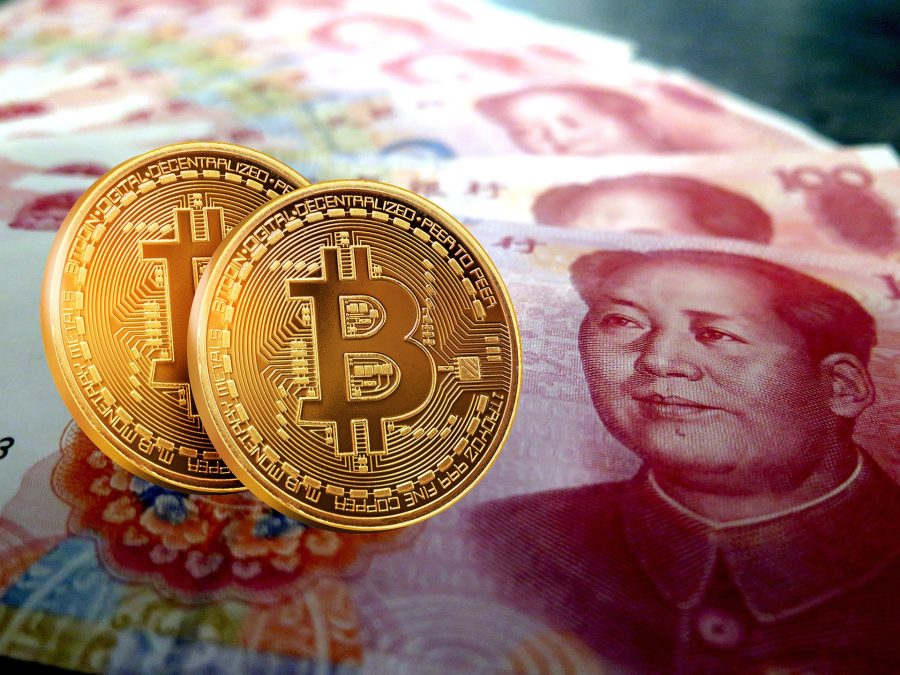
China Crackdown: New Rules Target Mixers and Privacy Coins as Red Flags for Money Laundering
This strategic move aims to address the global rise in illicit activities by reclassifying privacy-enhancing tools as high-risk markers. As regulators worldwide tighten their grip, China's approach to treating anonymity as a red flag could set a significant precedent for global compliance standards and the future of decentralized finance.
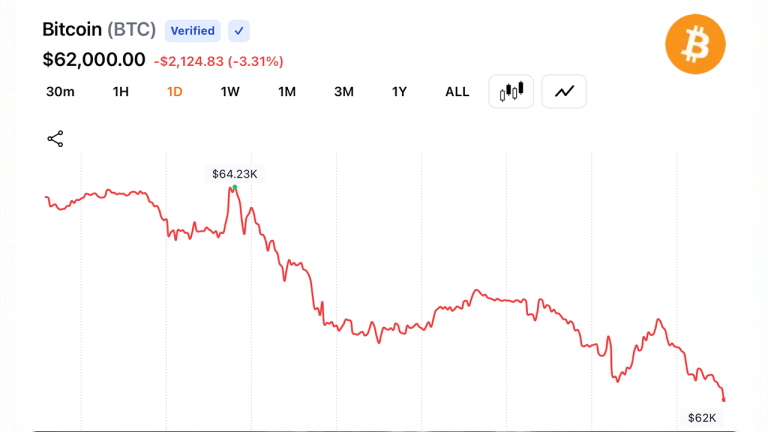
Bitcoin Plummets to $62,000 as U.S.-Iran Conflict Ignites Energy Crisis Fears
Investors are reacting to the growing threat of a fresh energy crisis sparked by the escalating conflict in the Middle East. As the U.S.-Iran tensions intensify, the resulting market uncertainty is driving significant volatility across the entire crypto landscape, forcing traders to navigate a high-risk environment.
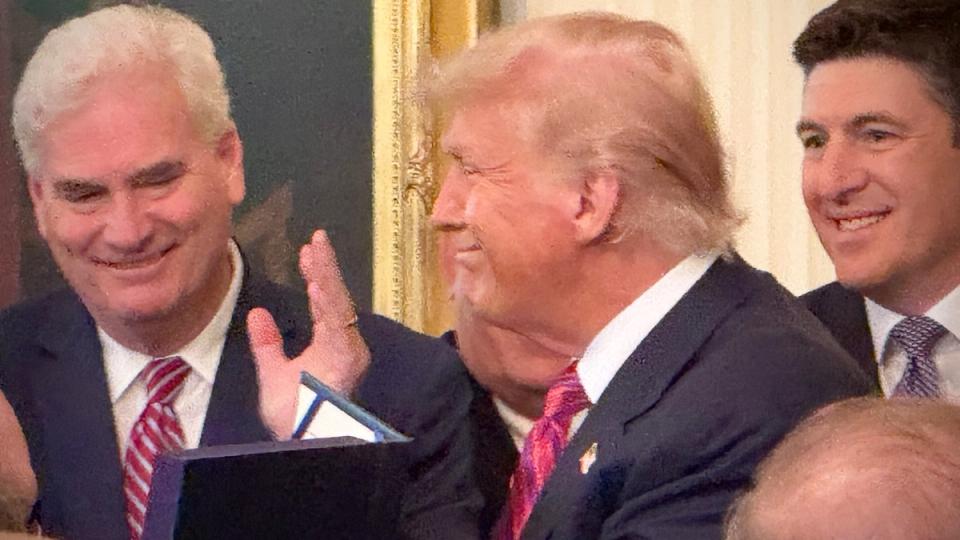
Trump's Crypto Fortune: A Major Obstacle for the U.S. Clarity Act Ethics Provisions
This legislative friction highlights the growing pains of integrating digital assets into the formal legal framework. As the battle over conflict-of-interest rules intensifies, the outcome will determine whether the U.S. crypto market structure can be built on a foundation of impartiality or if personal political fortunes will continue to shadow regulatory progress.

The Era of Tokenized Stocks: Why Wall Street is Moving to the Blockchain
This shift signals a structural transformation in Wall Street, as asset tokenization moves from a theoretical concept to an operational reality. By integrating traditional equities into the blockchain, the market aims to slash intermediary costs and democratize access to global investments, cementing Web3 infrastructure at the core of global finance.

South Korea Stock Crash Could Drag Bitcoin Below Key Support, Warn Analysts
While the broader selloff creates downward pressure, experts highlight that Bitcoin has exhibited remarkable relative strength by defending key support levels during previous bouts of market stress. The outcome of this tension will decide whether BTC can decouple from traditional finance or if it will succumb to the broader systemic selloff.

Bolivia Considers USDT as Legal Payment Method to Solve Dollar Shortage
This strategic move could position Bolivia as a leader in stablecoin adoption within Latin America. By allowing USDT to function as a legitimate currency for savings, trade, and everyday transactions, the government aims to bypass traditional banking limitations and provide a functional alternative to the current cash-heavy and dollar-starved economy.
