Middle East Conflict Drives Oil Surge as Polymarket Predicts Fed Rate Hold

Geopolitical tensions have spiked following U.S. Central Command strikes on Iran in the Strait of Hormuz, pushing WTI crude prices up by more than 2% to over $72. This sudden surge highlights the direct link between Middle East instability and global energy markets.
In the financial sphere, Polymarket data reveals a decisive sentiment regarding monetary policy, with 82.5% odds that the Fed holds interest rates in July. Investors are now navigating a complex landscape where oil price volatility meets the anticipated stability of the Federal Reserve's upcoming decision.
U.S. Central Command announced on Tuesday evening that the United States launched powerful strikes against Iran following attacks on three commercial vessels in the Strait of Hormuz. This military escalation helped lift WTI crude more than 2% above the $72 mark.
As energy markets react to the conflict, the Polymarket prediction platform shows significant consensus on U.S. monetary policy, placing 82.5% odds on the Fed holding rates steady in July. The intersection of heightened Middle East tensions and Fed policy remains a critical focal point for global macro traders.
This is a summarized and adapted version by Artificial Intelligence. To read the complete original story, visit the official source.
Read Full Article at Blockchain.newsSupport Jornal Bitcoin
Independent journalism, curated by AI, no clickbait. Keep the flame alive with any amount of BTC.
jonata@walletofsatoshi.comDaily Crypto Brief 📬
Subscribe to receive the curation of the most important Bitcoin and crypto news, summarized by AI. No spam.
Join more than 10,000 smart readers.
Related News
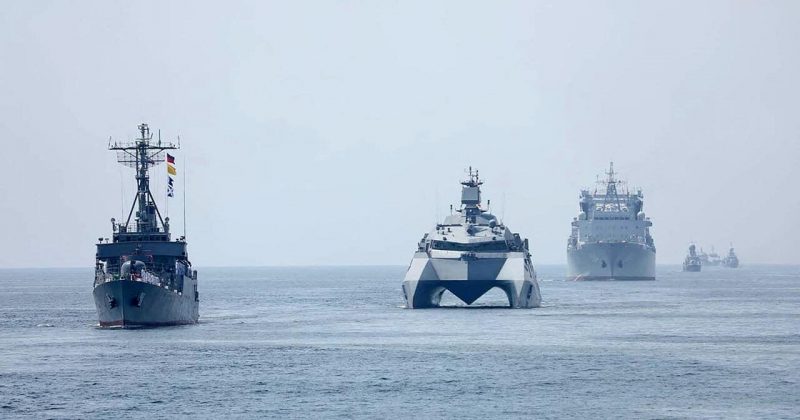
Geopolitical Alert: Iran Warns of Turning Shores into 'Hell' Amid Rising Maritime Tensions
As military postures harden, the consequences for international trade and market confidence could be profound. The potential for sudden disruptions in key maritime corridors introduces a layer of systemic risk that could trigger volatility across global economic sectors and energy markets.
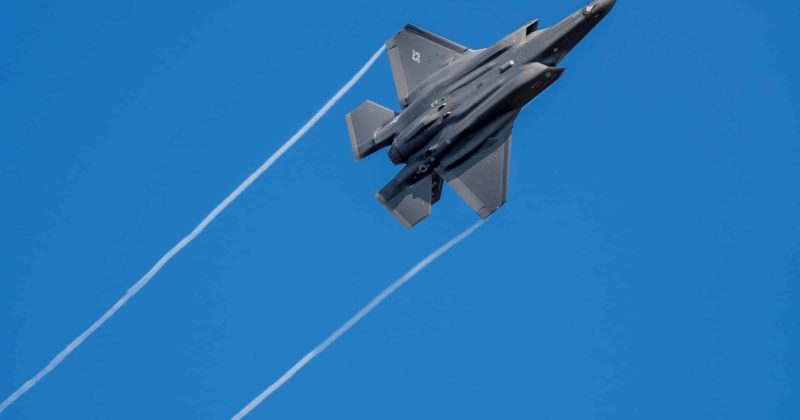
Geopolitical Flashpoint: US Defense Secretary Heads to Israel for Massive $3B F-35 Jet Deal
Beyond the hardware, this development serves as a critical indicator of shifting regional stability and could redefine US-Iran relations. As geopolitical tensions rise, market participants must prepare for heightened volatility, as these defense maneuvers often trigger significant shifts in global risk perception and macro-economic sentiment.

Prediction Markets Signal Imminent Exit of Maine Senate Candidate
The speed of this shift highlights the growing influence of decentralized prediction markets in capturing real-time political sentiment. As traders adjust odds for the Maine Senate seat and speculate on potential replacements, the integration of crypto-based forecasting tools is reshaping how the world interprets sudden shifts in electoral stability.
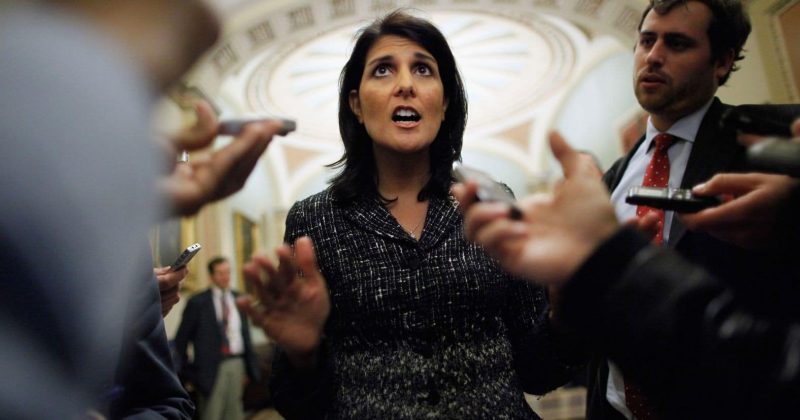
Nikki Haley Slams US-Iran MOU, Sparking Geopolitical Uncertainty
This escalation poses a direct threat to market confidence, particularly regarding future reconstruction funding agreements. As geopolitical tensions rise, the crypto market remains sensitive to such shifts, as investors weigh the implications of instability on long-term capital flows and asset security.
Fed Minutes Watch: Polymarket Odds for ETH $1,700 Surge to 44.5%
This convergence of macroeconomic uncertainty and aggressive prediction market sentiment highlights a high-stakes environment for crypto assets. The upcoming Fed data could serve as the ultimate catalyst, either validating the recent Bitcoin rebound or triggering a period of renewed volatility across the Ethereum ecosystem.
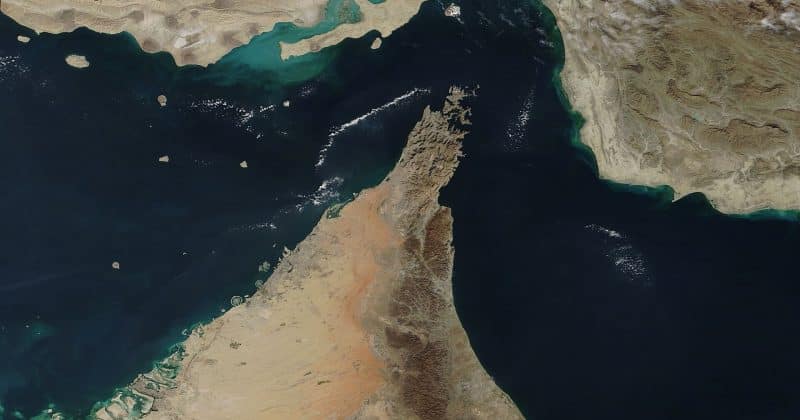
Hormuz Strait Explosions: Oil Markets Shaken as Bitcoin Prices Slide
Beyond the immediate impact on oil, the crisis highlights significant vulnerabilities in global energy supply chains and directly challenges Bitcoin's reputation as a reliable safe-haven asset. As volatility spikes, the market remains on edge, watching whether crypto can maintain its hedge properties during intense geopolitical conflict.
