Geopolitical Flashpoint: US Defense Secretary Heads to Israel for Massive $3B F-35 Jet Deal
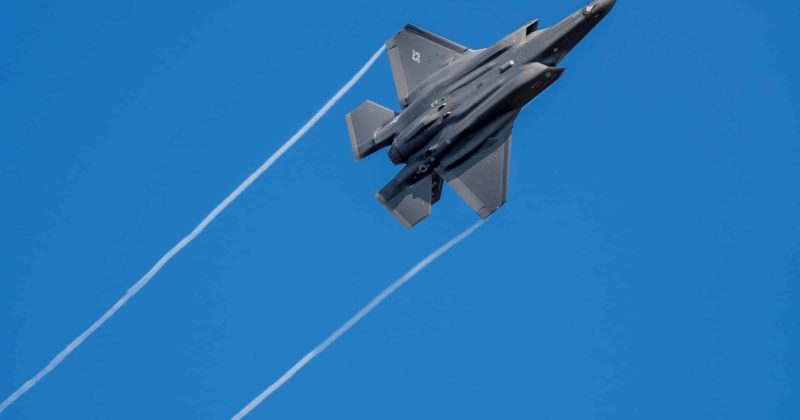
A major shift in global defense dynamics is unfolding as the US Secretary of Defense prepares for a high-stakes visit to Israel. This diplomatic mission coincides with intense negotiations for a $3 billion sale of F-35 fighter jets, underscoring a massive escalation in military cooperation and strategic alignment between the two powers.
Beyond the hardware, this development serves as a critical indicator of shifting regional stability and could redefine US-Iran relations. As geopolitical tensions rise, market participants must prepare for heightened volatility, as these defense maneuvers often trigger significant shifts in global risk perception and macro-economic sentiment.
The upcoming visit of the US Secretary of Defense to Israel highlights a deepening of defense ties at a moment of extreme regional instability. The primary driver of this diplomatic push is the potential $3 billion sale of F-35 fighter jets, a deal designed to solidify Israel's military edge and reinforce the US strategic presence in the Middle East.
This escalation carries heavy implications for the broader geopolitical landscape, specifically regarding the friction between the US and Iran. As these defense talks progress, the resulting shifts in regional power dynamics are expected to influence market perceptions of risk, potentially driving volatility across both traditional and digital asset markets.
This is a summarized and adapted version by Artificial Intelligence. To read the complete original story, visit the official source.
Read Full Article at Crypto BriefingSupport Jornal Bitcoin
Independent journalism, curated by AI, no clickbait. Keep the flame alive with any amount of BTC.
jonata@walletofsatoshi.comDaily Crypto Brief 📬
Subscribe to receive the curation of the most important Bitcoin and crypto news, summarized by AI. No spam.
Join more than 10,000 smart readers.
Related News

Oil Prices Plummet: China's Weak Demand Overrides Tight Supply Concerns
This downward pressure on oil could potentially ease energy-related inflation, providing a much-needed breather for global economic activity. However, the underlying cause—stagnating demand—raises significant questions regarding market confidence and the overall trajectory of the global economy.

U.S. charges in Nijjar killing case send Polymarket to 72.5% on Hormuz fees
The catalyst matters because Hormuz fees are often used to reflect immediate energy and trade route impacts, which can ripple into broader market expectations around price and liquidity. As Polymarket updates these odds, traders are watching how high-stakes legal developments can quickly translate into crypto prediction markets.

Middle East Escalation: Iran Launches Missiles and Drones at US Navy Warships
The consequences of this aggression extend far beyond the immediate battlefield, as the risk of broader maritime confrontations threatens to disrupt global markets. As geopolitical volatility surges, market participants should prepare for increased uncertainty and potential shifts in global economic stability.

Trump Revives Greenland Ambition, Sparking Diplomatic Friction with Denmark
Beyond the political fallout, the escalation of tensions with Denmark could shift market perceptions regarding global stability. As the U.S. asserts its interest in strategic territories, investors and policymakers alike are closely monitoring the impact on international cooperation and geopolitical risk management.

Geopolitical Alert: Iran Warns of Turning Shores into 'Hell' Amid Rising Maritime Tensions
As military postures harden, the consequences for international trade and market confidence could be profound. The potential for sudden disruptions in key maritime corridors introduces a layer of systemic risk that could trigger volatility across global economic sectors and energy markets.

Massive Explosion in Bandar Abbas: US Strike on Iran Sends Bitcoin Sliding Below $73K
Beyond the immediate price action, the escalating US-Iran tensions threaten to destabilize global oil markets and underscore the deep-seated vulnerabilities within crypto markets during periods of intense geopolitical conflicts. As uncertainty grows, the correlation between traditional energy markets and digital assets remains a key focal point for risk management.
