Geopolitical Standoff: Iran Unlikely to Back Down Despite U.S. Military Pressure
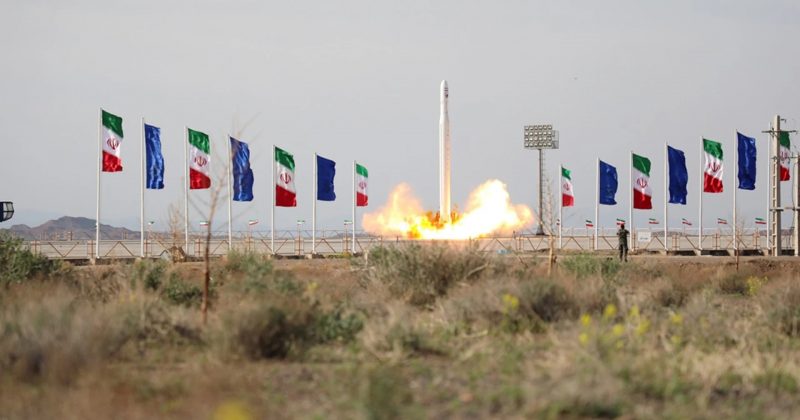
The global landscape faces heightened uncertainty as Iran shows no signs of softening its stance in response to recent U.S. military actions. This prolonged standoff creates a high-stakes environment where geopolitical friction remains a primary driver of market volatility.
Looking ahead to 2026, potential deal frameworks include reconstruction funding and a uranium enrichment cap set at 32.5%. The persistence of this conflict between Iran and the U.S. continues to shape global risk assessments and long-term economic stability.
Iran is unlikely to ease its stance despite ongoing U.S. military actions, leading to a prolonged geopolitical standoff. Current projections for a potential 2026 deal suggest a focus on reconstruction funding and a uranium enrichment cap of 32.5%. The situation remains critical as both nations maintain rigid positions, heightening global tensions.
This is a summarized and adapted version by Artificial Intelligence. To read the complete original story, visit the official source.
Read Full Article at Crypto BriefingSupport Jornal Bitcoin
Independent journalism, curated by AI, no clickbait. Keep the flame alive with any amount of BTC.
jonata@walletofsatoshi.comDaily Crypto Brief 📬
Subscribe to receive the curation of the most important Bitcoin and crypto news, summarized by AI. No spam.
Join more than 10,000 smart readers.
Related News

Solana Co-Founder Backs AI Firms in Massive Copyright Battle Over Public Data
This defense comes as the industry faces existential financial threats, specifically citing the $1.5B copyright settlement pressure facing Anthropic. As the tension between AI innovation and copyright law intensifies, Yakovenko's comments underscore a pivotal moment that could determine the legal boundaries of machine learning and data scraping.

Crypto Clarity Act Nears Finish Line: U.S. Treasury Signals Imminent Breakthrough
Lawmakers are currently racing to pass this critical crypto market-structure bill before the upcoming August recess. The successful implementation of the Clarity Act is expected to provide the legal certainty required for mass institutional adoption and long-term stability in the Bitcoin ecosystem.

Tech Warfare: US Threatens Sanctions on Chinese AI Models Over IP Theft
The fallout from these potential sanctions extends far beyond traditional tech sectors, posing major implications for the crypto AI tokens market. As regulatory pressure mounts, the intersection of blockchain and artificial intelligence faces a period of intense volatility and structural realignment.

Bitcoin defies geopolitical chaos, surging toward seven-week high
This rally mirrors a resilient performance in US stock markets, indicating that investors are currently looking past potential trade wars and military escalations. By ignoring the noise of Trump's tariff plans and Middle East instability, Bitcoin is reinforcing its role as a dominant force in the current financial cycle.

Digital Strike: U.S. Treasury Freezes $130M Iran-Linked IRGC Crypto Wallet
This crackdown underscores the escalating use of blockchain forensics in international geopolitics to combat state-sponsored financing. By aggressively targeting IRGC-linked crypto wallets, the U.S. government is setting a precedent for how digital assets can be leveraged to enforce sanctions and increase economic pressure on hostile nations through advanced asset tracking.

Coinbase's Base Eyes Global Expansion with Tokenized Stocks for Non-US Users
By focusing on international users, Base seeks to bypass the stringent regulatory hurdles currently faced by US-based entities. This expansion could solidify Base's position as a premier destination for global liquidity, enabling seamless access to digitized securities and driving the next wave of institutional-grade blockchain utility.
