Bitcoin defies geopolitical chaos, surging toward seven-week high
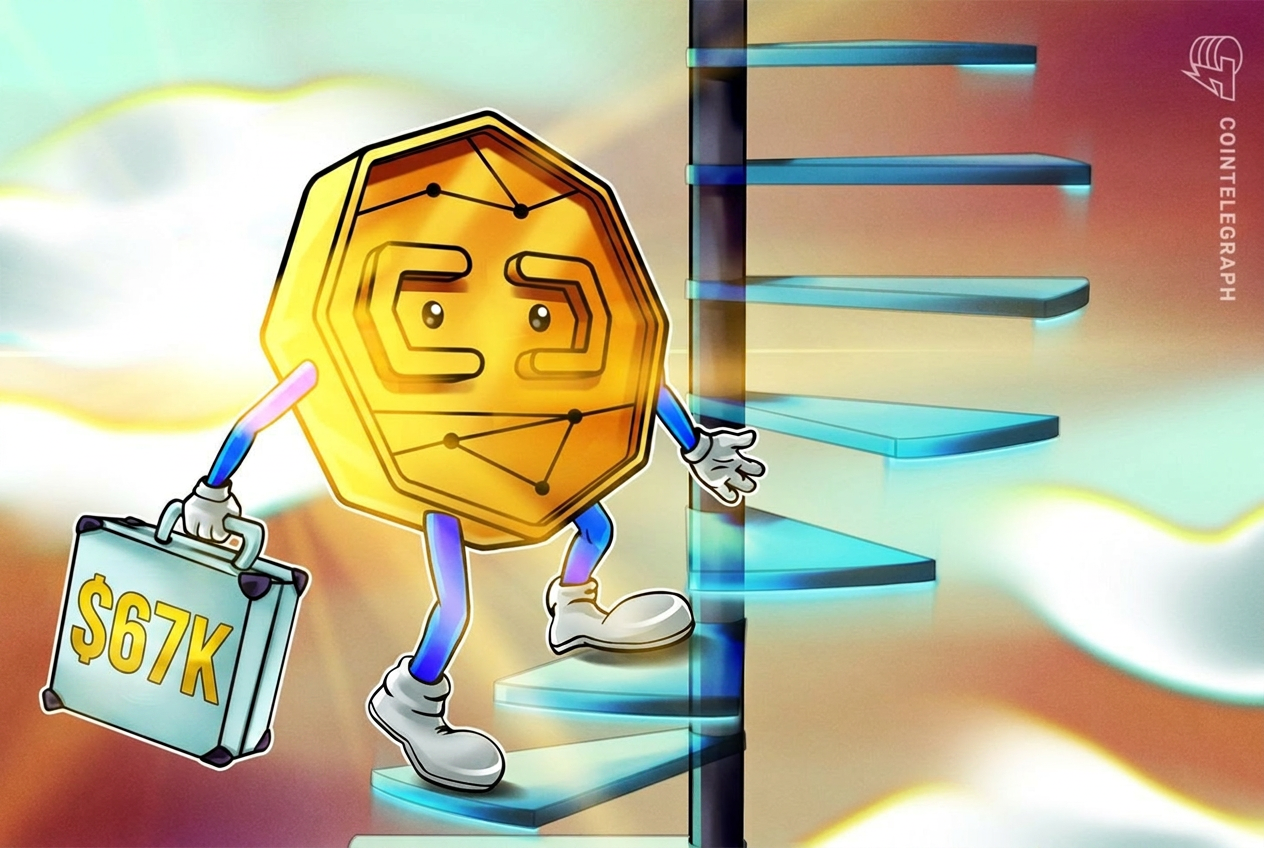
Bitcoin (BTC) is showcasing remarkable strength, brushing off the escalating US-Iran tensions and the looming threat of new trade tariffs. As the BTC/USD pair approaches the critical $67,000 mark, the cryptocurrency is successfully navigating a landscape of intense geopolitical uncertainty to reach its highest levels in seven weeks.
This rally mirrors a resilient performance in US stock markets, indicating that investors are currently looking past potential trade wars and military escalations. By ignoring the noise of Trump's tariff plans and Middle East instability, Bitcoin is reinforcing its role as a dominant force in the current financial cycle.
Bitcoin and the broader crypto market joined US stocks in brushing off the US-Iran war escalation and the threat of fresh trade tariffs before the end of the month. Bitcoin (BTC) built on gains at Tuesday’s Wall Street open, echoing the resilience seen in US stock markets.
Data from TradingView showed BTC/USD approaching $67,000, closing in on seven-week highs. The market appears to be prioritizing bullish momentum over the immediate macroeconomic and geopolitical headwinds.
This is a summarized and adapted version by Artificial Intelligence. To read the complete original story, visit the official source.
Read Full Article at CoinTelegraphSupport Jornal Bitcoin
Independent journalism, curated by AI, no clickbait. Keep the flame alive with any amount of BTC.
jonata@walletofsatoshi.comDaily Crypto Brief 📬
Subscribe to receive the curation of the most important Bitcoin and crypto news, summarized by AI. No spam.
Join more than 10,000 smart readers.
Related News
Liquidity Shift: Fed Reverse Repo Volumes Crash Toward Zero
This depletion of liquidity carries profound implications for global financial stability and crypto market volatility. As the Fed navigates this transition, the tightening of available cash could lead to increased market sensitivity, forcing institutional players to recalibrate their strategies in response to a leaner monetary environment.

High Alert: Explosive Drones Intercepted Near US Consulate in Erbil Amid Iran Tensions
The potential for direct military confrontation heightens global market volatility and shifts the focus toward safe-haven assets. As tensions between Iran and regional powers intensify, the crypto market remains on edge, watching for how these geopolitical shocks will impact liquidity and investor sentiment in the digital asset space.
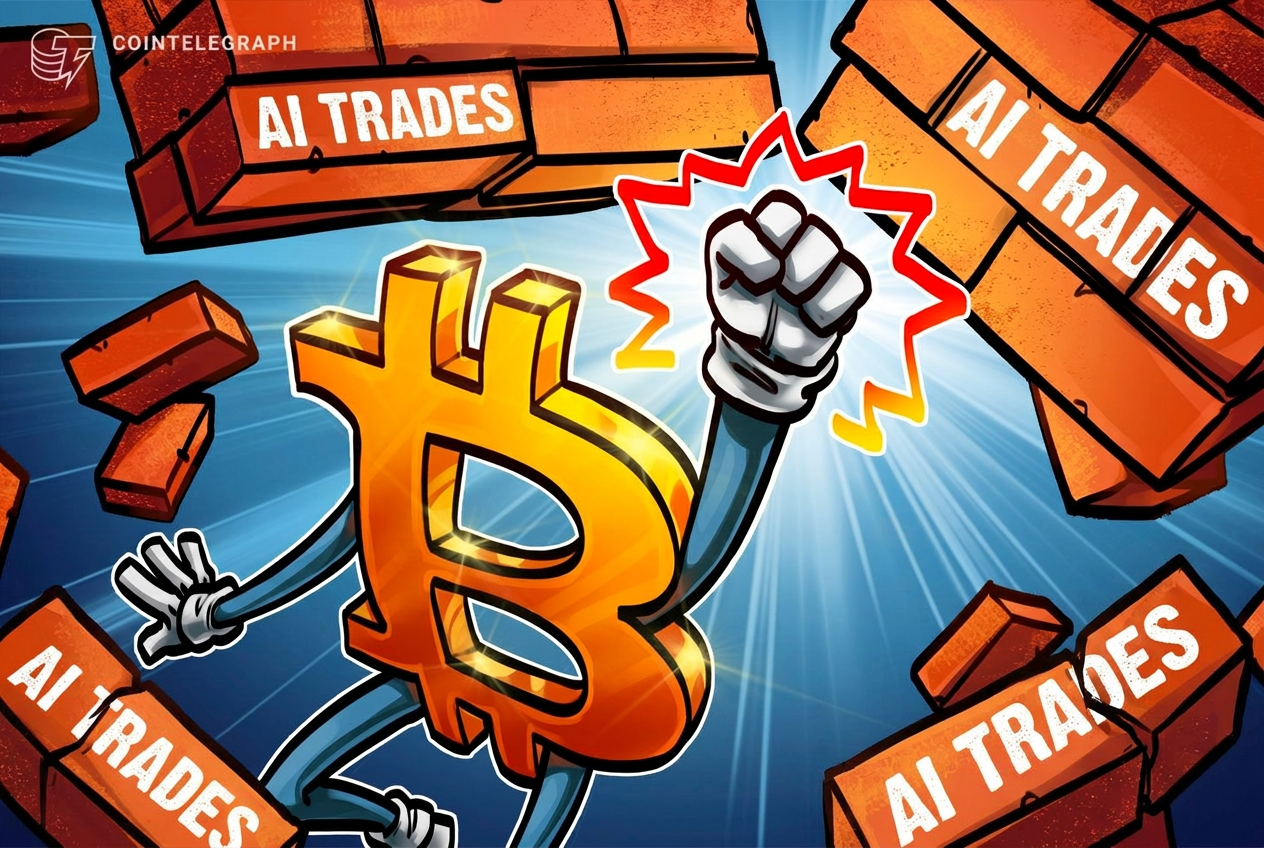
Crypto Breakout Imminent? Analysts Predict Capital Rotation from AI to Bitcoin
Market analysts suggest that as the AI trade loses momentum, investors are likely to rotate capital back into the cryptocurrency sector. This sentiment is bolstered by progress on the CLARITY Act, which aims to resolve regulatory overlaps between the SEC and CFTC, providing the institutional certainty needed to fuel further gains in BTC and crypto-related stocks.
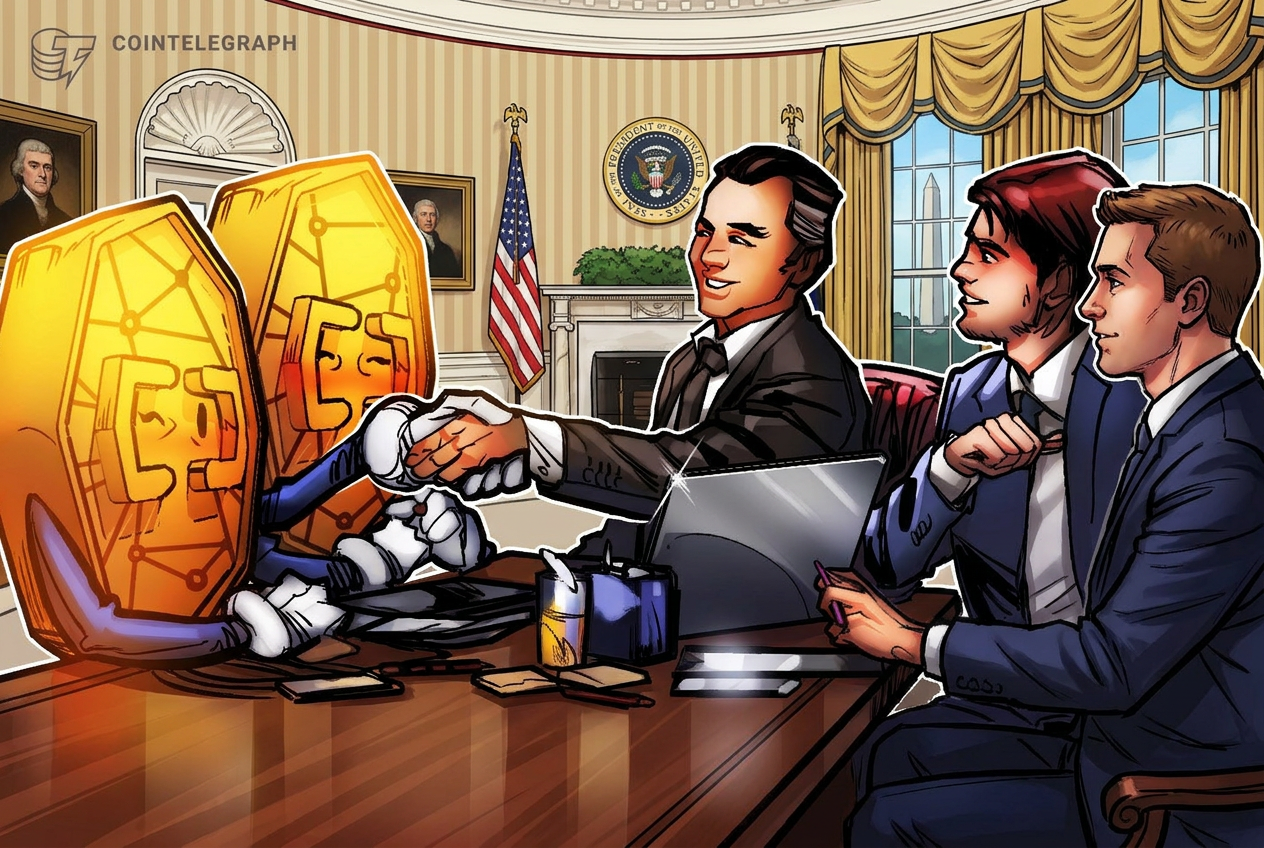
White House Ethics Deal Could Unlock CLARITY Act and Fuel Bitcoin Rally
Negotiations involving Republican Senators Cynthia Lummis and Bernie Moreno suggest a bipartisan push to refine the Digital Asset Market Clarity (CLARITY) Act. As the Senate prepares for a tight vote, the implications of this deal extend beyond regulation, with reports indicating that the new ethics language could even impact the personal crypto investments of President Donald Trump.

Market Warning: Peter Brandt Predicts Bitcoin Could Drop Below $50,000 Before Rallying
Brandt points to the current neutral market sentiment as a highly unusual indicator for a true market bottom. He anticipates that Bitcoin will likely repeat specific historical chart patterns, signaling that investors should prepare for increased volatility as the asset seeks its next major trend.

Russia Strikes Dnipropetrovsk: Escalating Conflict and New Strategic Projections
Looking ahead, intelligence-based projections suggest an 18% probability of Russian forces entering Sloviansk by December 31, 2026. As the conflict evolves, the potential for long-term warfare continues to drive market volatility, forcing investors to weigh the impact of geopolitical unrest on digital assets and traditional finance.
