Strait of Hormuz Crisis: Iran Condemns US Attacks, Signaling Global Market Risk
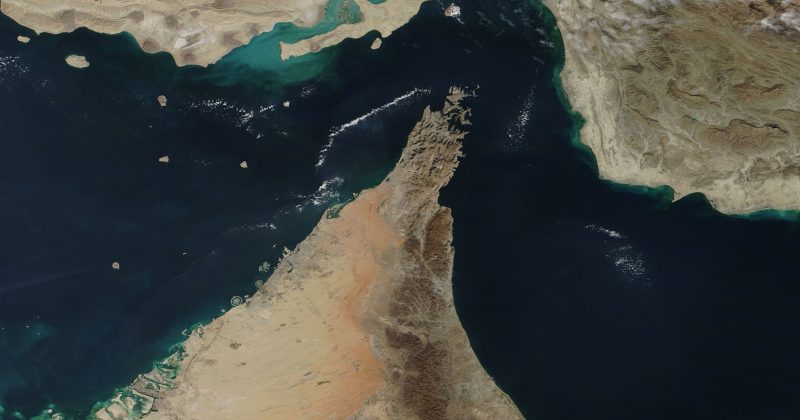
Geopolitical tensions have surged to a breaking point as Iran formally condemns US attacks on rescue vessels within the Strait of Hormuz. This direct confrontation marks a dangerous shift in regional stability, heightening the immediate threat of military escalation in one of the world's most sensitive maritime corridors.
The potential disruption of global shipping through this chokepoint poses a systemic risk to international trade and market stability. As tensions rise, the impact on global markets could be profound, with increased volatility expected if the conflict leads to a significant interruption in maritime logistics and energy transit.
Iran has issued a formal condemnation following US attacks on rescue vessels operating in the Strait of Hormuz. The incident has significantly heightened geopolitical tensions in the region, sparking fears of a broader conflict. Analysts warn that heightened tensions in the Strait of Hormuz could disrupt global shipping, causing significant impacts on international markets and substantially increasing the risk of military escalation.
This is a summarized and adapted version by Artificial Intelligence. To read the complete original story, visit the official source.
Read Full Article at Crypto BriefingSupport Jornal Bitcoin
Independent journalism, curated by AI, no clickbait. Keep the flame alive with any amount of BTC.
jonata@walletofsatoshi.comDaily Crypto Brief 📬
Subscribe to receive the curation of the most important Bitcoin and crypto news, summarized by AI. No spam.
Join more than 10,000 smart readers.
Related News
Trump Weighs Iran Military Escalation: Crypto Markets Brace for Volatility
As global financial stability hangs in the balance, the interconnectedness of traditional geopolitics and decentralized finance becomes increasingly evident. The crypto markets are feeling every tremor of this conflict, serving as a real-time barometer for the broader economic anxieties triggered by potential Middle East instability.
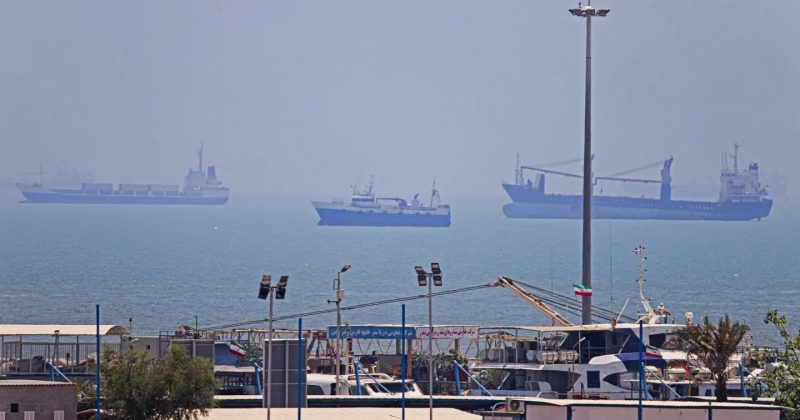
Strait of Hormuz Standoff: Why Iran-Oman Talks Matter for Oil and Crypto Markets
As tensions rise, the crypto market dynamics are expected to face significant pressure. Investors must prepare for heightened volatility, as the intersection of energy supply shocks and macroeconomic uncertainty often dictates the flow of capital into the crypto market.
Geopolitical Pivot: Iran Offers to Halt Attacks if US Maintains Pause Following Trump's Decision
However, the situation remains fragile and shrouded in uncertainty, with the potential to trigger massive volatility if the truce fails. Investors are closely watching how this shift in US foreign policy impacts geopolitical tensions and the broader economic landscape, including the crypto markets.
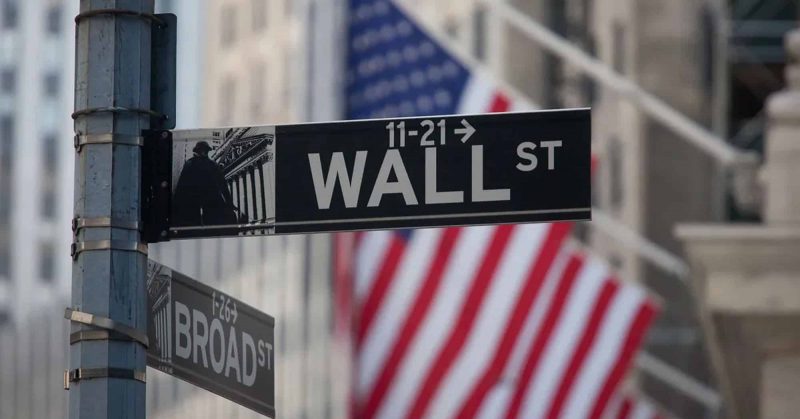
Middle East Escalation: Iran Orders Urgent Infrastructure Rebuild Following US Attacks
Beyond the immediate physical damage, these reconstruction efforts signal a broader risk to global economic stability. The ongoing conflict threatens to delay Iran's economic recovery and could trigger significant disruptions to global trade routes, creating ripple effects across international markets.
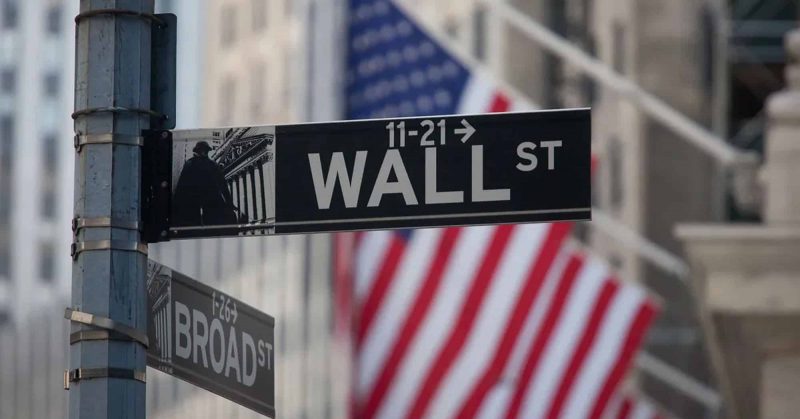
Documentary Reveals Netanyahu Curbs Lindsey Graham’s Push to Escalate Iran Conflict
This decision carries significant weight for global market perceptions regarding conflict resolution and systemic risk. While Netanyahu's restraint may prevent immediate escalation, the dimming prospects for peace ensure that market volatility remains a key factor for investors monitoring Middle East stability.
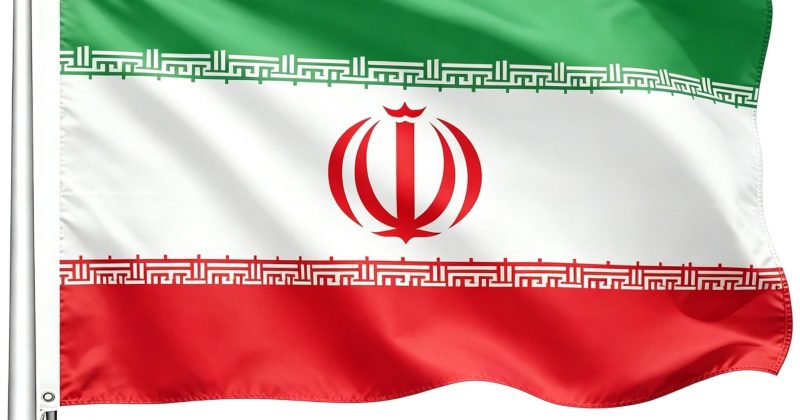
Geopolitical De-escalation: Iran Refrains from Attacks, Easing US Tensions
The easing of Iran-US tensions is expected to pave the way for intensified diplomatic efforts and significantly lower the likelihood of European military involvement. As uncertainty subsides, the reduction in geopolitical risk could lead to improved sentiment across both traditional and crypto asset classes.
