Strait of Hormuz Standoff: Why Iran-Oman Talks Matter for Oil and Crypto Markets

High-stakes negotiations between Iran and Oman regarding the Strait of Hormuz are threatening to disrupt the global oil supply stability. This geopolitical friction acts as a primary driver for global inflation and shifts in monetary policy, creating a ripple effect across all major asset classes.
As tensions rise, the crypto market dynamics are expected to face significant pressure. Investors must prepare for heightened volatility, as the intersection of energy supply shocks and macroeconomic uncertainty often dictates the flow of capital into the crypto market.
Negotiations between Iran and Oman concerning the Strait of Hormuz carry massive implications for global oil markets and the broader financial landscape. The stability of the global oil supply is at the center of these talks, with direct consequences for inflation rates and international monetary policy.
Furthermore, the geopolitical tension is poised to influence crypto market dynamics. As traditional energy markets react to the potential for supply disruptions, the resulting macroeconomic shifts will inevitably play a role in the volatility and movement of the crypto market.
This is a summarized and adapted version by Artificial Intelligence. To read the complete original story, visit the official source.
Read Full Article at Crypto BriefingSupport Jornal Bitcoin
Independent journalism, curated by AI, no clickbait. Keep the flame alive with any amount of BTC.
jonata@walletofsatoshi.comDaily Crypto Brief 📬
Subscribe to receive the curation of the most important Bitcoin and crypto news, summarized by AI. No spam.
Join more than 10,000 smart readers.
Related News

Liquidation Carnage: $113M Wiped Out in Crypto Derivatives in 24 Hours
This sudden spike in liquidations and rising market stress may hinder Bitcoin's near-term price targets, potentially dampening overall investor confidence. As cautious sentiment takes hold, the market faces a critical test in determining whether it can sustain its current trajectory or if further corrections are imminent.

Red Alert: BitMart Shuts Down Global Operations as Binance Founder Urges Immediate Withdrawals
This sudden shutdown carries heavy implications for retail investors, especially following urgent warnings from industry leaders, including the founder of Binance. As the exchange begins its bureaucratic wind-down, the consensus among experts is clear: users must prioritize immediate withdrawals to mitigate the risk of losing access to their digital assets.

Strait of Hormuz Crisis: Iran Condemns US Attacks, Signaling Global Market Risk
The potential disruption of global shipping through this chokepoint poses a systemic risk to international trade and market stability. As tensions rise, the impact on global markets could be profound, with increased volatility expected if the conflict leads to a significant interruption in maritime logistics and energy transit.
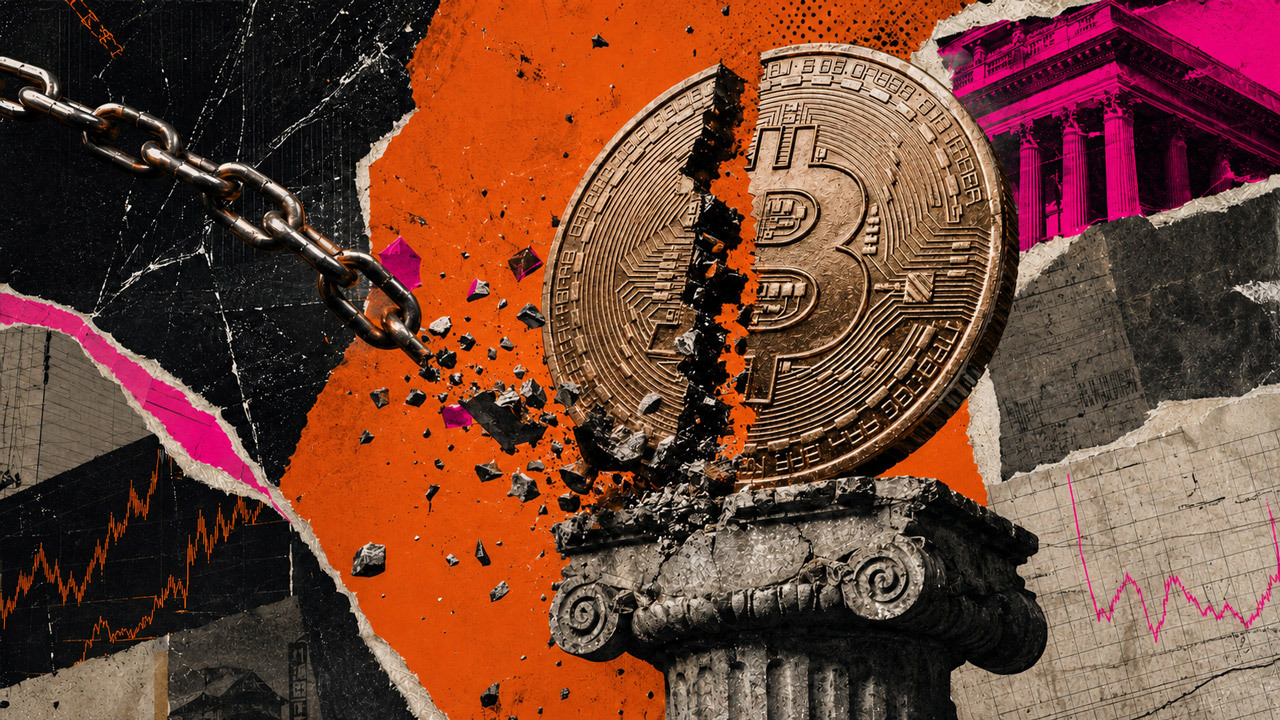
Debt Escape: Two Public Companies Quietly Dump 511 Bitcoin to Avoid $31.7M Liability
By executing these voluntary sales, KULR successfully mitigated its collateral risk, while Smarter Web addressed near-term maturity issues to prevent the issuance of 7.7 million potential shares. This maneuver highlights how institutional players are utilizing Bitcoin to navigate debt management and prevent shareholder dilution.

Geopolitical Shift: Trump Administration Lifts Hong Kong Sanctions, Signaling New US-China Crypto Corridor
The direct impact of this decision is expected to resonate through the crypto markets, potentially strengthening a US-China crypto corridor. Industry experts are closely watching whether this opening will facilitate institutional-grade digital asset integration, permanently altering the power dynamics within the blockchain sector and global regulatory frameworks.
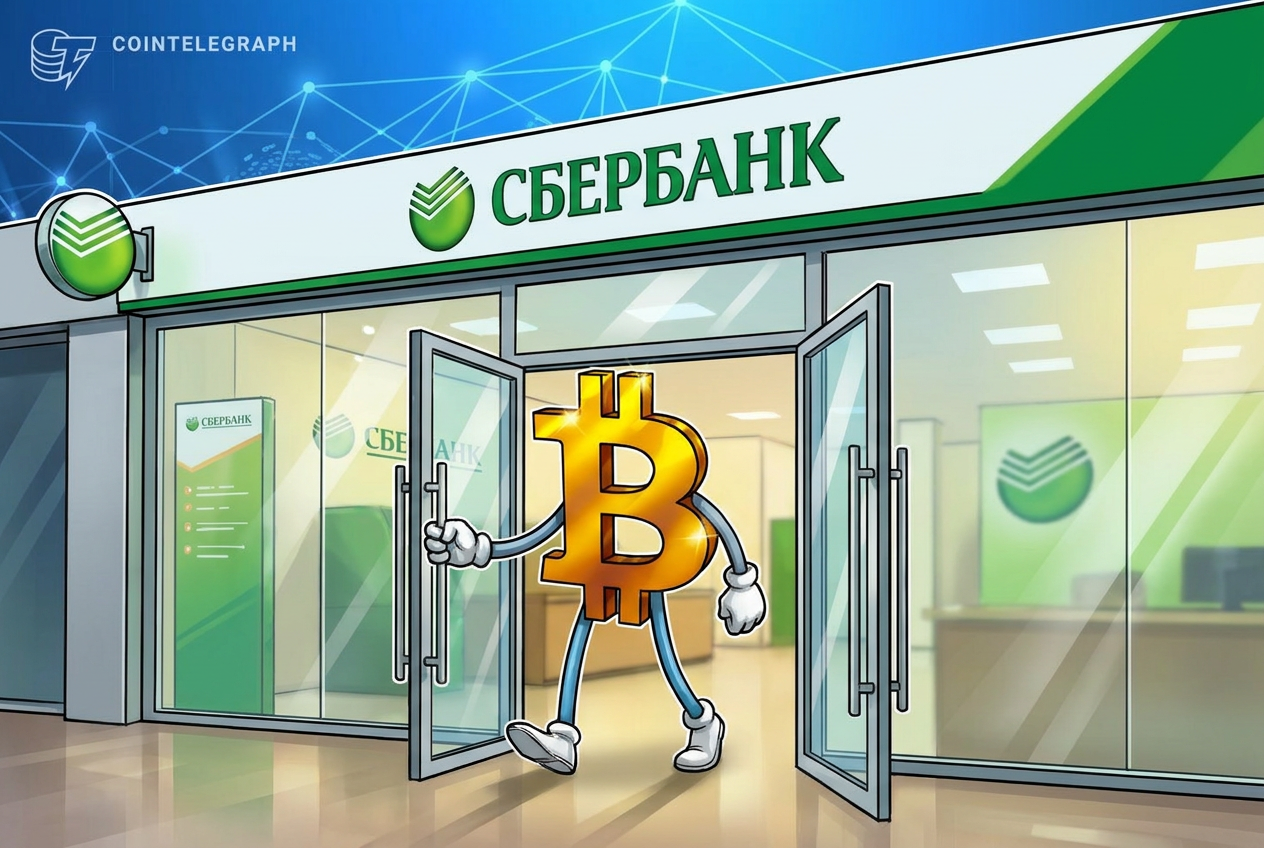
Russia's Sberbank to Launch Massive Crypto Trading Infrastructure by Year-End
This development is a pivotal step toward allowing crypto assets to be utilized in foreign trade operations, providing a workaround for traditional financial constraints. By utilizing active wallets and processing transactions off the main blockchain, Sberbank intends to offer a high-speed, compliant environment for large-scale digital asset transactions.
