Strait of Hormuz Traffic Plummets as US-Iran Tensions Escalate, Threatening Global Markets
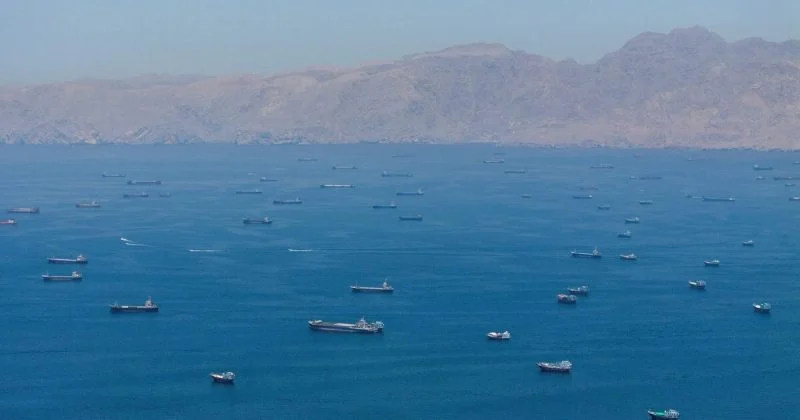
Ship crossings through the Strait of Hormuz have dramatically decreased amid escalating tensions between the United States and Iran. This critical maritime passage, responsible for approximately 20% of global oil trade, now faces a direct security threat, with profound implications for global markets and the energy sector. The reduction in maritime traffic through this vital commercial artery is creating ripples across global supply chains, potentially triggering oil price volatility and impacting cryptocurrency markets. Analysts warn of the risk of a new energy crisis as investors closely monitor geopolitical developments, seeking refuge assets like Bitcoin amid the uncertainty.
This is a summarized and adapted version by Artificial Intelligence. To read the complete original story, visit the official source.
Read Full Article at Crypto BriefingSupport Jornal Bitcoin
Independent journalism, curated by AI, no clickbait. Keep the flame alive with any amount of BTC.
jonata@walletofsatoshi.comDaily Crypto Brief 📬
Subscribe to receive the curation of the most important Bitcoin and crypto news, summarized by AI. No spam.
Join more than 10,000 smart readers.
Related News

Zcash miner snaps up 9.4% of merger target as deal failure could trigger liquidation
The minority stake acquisition strengthens Fortitude's position in negotiations but also raises the stakes for both companies. With the vote date still undefined, cryptocurrency investors and analysts are closely watching developments, as the outcome of this merger could have significant implications for the Zcash ecosystem and the broader cryptocurrency market.

Wyoming Makes Bold Move: FRNT Infrastructure Shifts to Chainlink CCIP
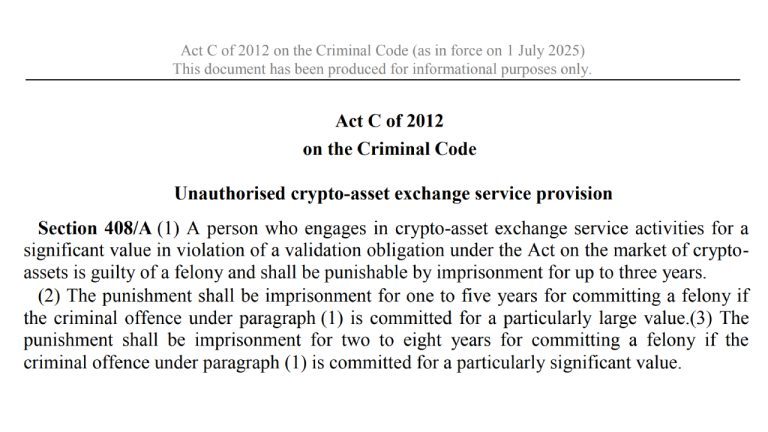
Hungary Decriminalizes Crypto Offenses, Aligns With EU MiCA Framework
The move represents a major victory for the cryptocurrency industry in Hungary, removing legal barriers that had stifled innovation and development in the digital asset sector. By fully embracing the MiCA standard, the country aims to attract increased investment and foster a more robust and transparent crypto ecosystem, benefiting both local and international businesses seeking clear and favorable regulatory environments.

Oil Prices Surge for Second Week as US-Iran Tensions Escalate
This oil price surge has profound implications for the global economy, directly impacting transportation costs, inflation rates, and energy policy decisions worldwide. Investors and governments are closely monitoring the situation in the Middle East, while the cryptocurrency market may also feel indirect effects, with assets like Bitcoin being considered by some as a hedge against traditional energy market instability.

Marvell Technology's Google Deal Pushes Valuation Toward $1 Trillion
The deal between Marvell and Google not only solidifies the company's position as a leader in cutting-edge technology but also accelerates the race for supremacy in artificial intelligence and data infrastructure. With the cryptocurrency and blockchain market continuing to evolve, this strategic partnership could open new frontiers for decentralized technology integration, potentially impacting the future of crypto assets and cloud computing.

Nvidia Denies Report of China-Specific AI Chip Amid Trade War Tensions
This development occurs as the cryptocurrency and AI industries closely observe how geopolitical tensions impact technological advancement. Nvidia, which has historically dominated the GPU market for mining and AI, now navigates a complex regulatory maze while local competitors in China gain ground. The outcome of this dispute will not only determine Nvidia's future in the world's largest economy but also influence the global direction of artificial intelligence technology and its applications in blockchain and cryptocurrencies.
