Stacks PoX-5 Testnet Goes Live: A New Era of Self-Custody Bitcoin Staking

The Stacks ecosystem has reached a major milestone with the launch of the PoX-5 public testnet, featuring a groundbreaking Bitcoin staking mechanism. This update emphasizes self-custody, ensuring that users can engage in staking protocols while maintaining absolute control over their assets.
Targeting a mainnet hard fork around July 29, the PoX-5 update introduces a 3,000 BTC cap and a 3% rate. This technical evolution is set to deepen the synergy between Bitcoin and decentralized applications, providing a robust framework for Bitcoin-backed utility.
The Stacks PoX-5 public testnet is officially live, bringing a sophisticated Bitcoin staking mechanism to the forefront of the Layer 2 landscape. By prioritizing self-custody, the update addresses one of the most critical demands of the Bitcoin community: security without compromise.
Developers are aiming for a mainnet hard fork scheduled for approximately July 29. The implementation includes a specific cap of 3,000 BTC and a 3% rate, marking a significant step toward scaling Bitcoin's utility through the Stacks Proof-of-Transfer protocol.
This is a summarized and adapted version by Artificial Intelligence. To read the complete original story, visit the official source.
Read Full Article at Crypto BriefingSupport Jornal Bitcoin
Independent journalism, curated by AI, no clickbait. Keep the flame alive with any amount of BTC.
jonata@walletofsatoshi.comDaily Crypto Brief 📬
Subscribe to receive the curation of the most important Bitcoin and crypto news, summarized by AI. No spam.
Join more than 10,000 smart readers.
Related News
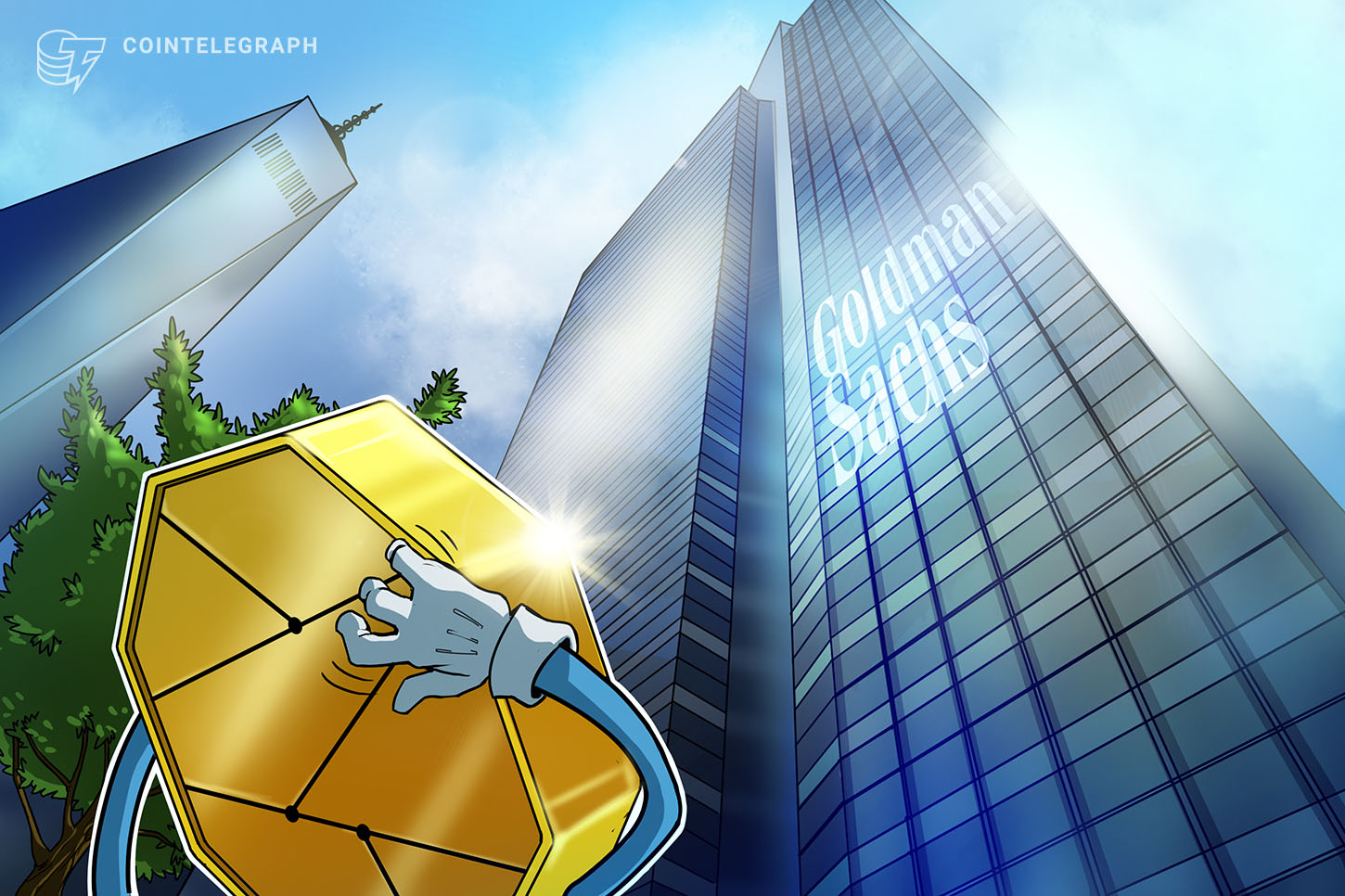
Goldman Sachs CEO Backs 'Imperfect' CLARITY Act Amid Crypto Regulation Battle
This endorsement comes at a critical time as lawmakers prepare to vote, with many banking peers still opposing the bill due to controversial stablecoin provisions. The tension centers on whether crypto firms should be allowed to offer yields on stablecoins outside the strict regulatory frameworks governing traditional financial institutions.

Whale Alert: 2 Bullish and 1 Bearish Signals Shaping Cardano's (ADA) Next Move
This divergence between whale exposure and technical indicators suggests that Cardano is entering a high-volatility phase. Investors must weigh the bullish momentum driven by large-scale buying against the immediate bearish pressure to navigate the upcoming price action effectively.

BlackRock Claims Crypto Can Outrun the Quantum Threat — If It Moves Fast Enough
However, the window for action is defined by the speed of technological evolution. To mitigate the risks posed by quantum supremacy, the crypto industry must proactively integrate quantum-resistant algorithms, ensuring that the transition to new cryptographic standards happens well before quantum hardware reaches its full potential.
The AI Economy is Here: Coinbase Enables Corporate Clients to Accept Payments from AI Agents
This development marks a significant milestone in the integration of AI and blockchain technology. By leveraging the x402 protocol, Coinbase is not just facilitating transactions, but is actively building the financial rails required for autonomous agents to participate in global commerce, potentially triggering a massive shift in how digital value is exchanged.
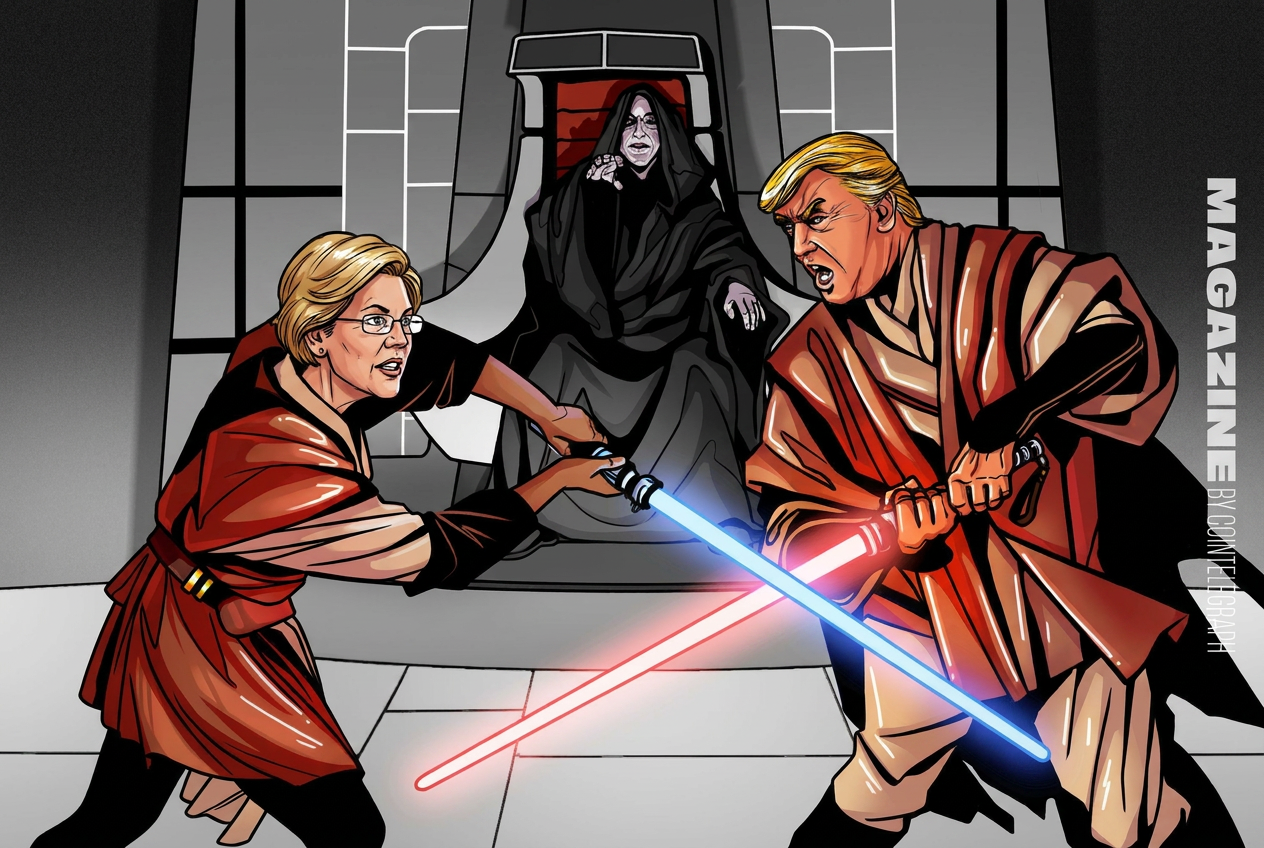
The CLARITY Act Standoff: Why Ethics Rules Are Blocking US Crypto Legislation
This ethical deadlock, following thousands of hours of negotiation, could fundamentally reshape how digital assets are governed in the United States. The outcome of this struggle over a code of conduct will dictate the regulatory landscape for the entire crypto industry and the power dynamics of federal oversight.
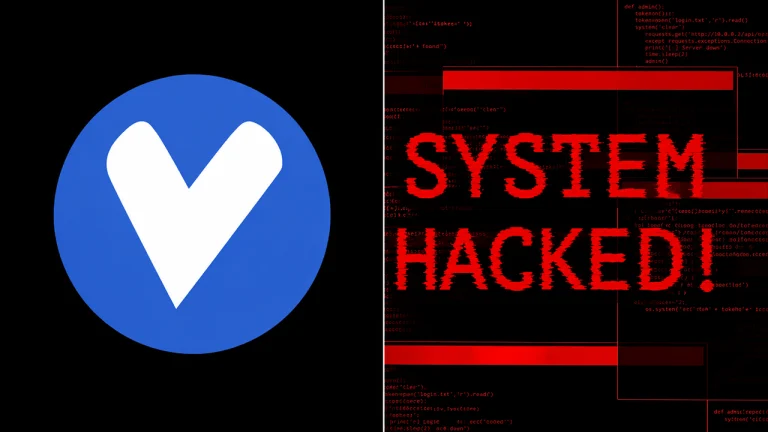
Security Breach: Verus Bridge Hit by Second Exploit in 66 Days, Total Losses Hit $19.1M
This recurring vulnerability has pushed total losses to a staggering $19.1 million, sending shockwaves through the cross-chain interoperability sector. The repeated nature of these breaches highlights the persistent risks associated with bridge security and the critical need for robust smart contract audits in the DeFi space.
