Stablecoin Exodus: $10 Billion Vanishes Since May—What It Means for Crypto Liquidity

The stablecoin market has witnessed a massive $10 billion outflow since May, resulting in a 3% decline in total market capitalization. This represents the sharpest contraction seen since 2023, serving as a critical indicator of shifting capital flows within the digital asset landscape.
Crucially, this downturn remains far from the devastating 26% collapse experienced in 2022. This recent volatility in stablecoins suggests a strategic reallocation of liquidity, as investors navigate changing interest rates and evolving opportunities within the broader decentralized finance ecosystem.
The stablecoin sector is undergoing a notable period of contraction. Since May, the market has shed roughly $10 billion in market cap, marking a 3% decrease in total value. While this constitutes the largest pullback since 2023, the current environment is significantly more stable than the catastrophic 26% crash witnessed in 2022.
The core question remains: what does this massive outflow signal for the crypto market? Whether this represents a healthy correction or a fundamental shift in how liquidity is deployed across DeFi protocols and traditional stablecoin pairs like USDT and USDC is a subject of intense debate among market analysts.
This is a summarized and adapted version by Artificial Intelligence. To read the complete original story, visit the official source.
Read Full Article at BlockTrendsSupport Jornal Bitcoin
Independent journalism, curated by AI, no clickbait. Keep the flame alive with any amount of BTC.
jonata@walletofsatoshi.comDaily Crypto Brief 📬
Subscribe to receive the curation of the most important Bitcoin and crypto news, summarized by AI. No spam.
Join more than 10,000 smart readers.
Related News

Is the AI Bubble About to Burst? The Looming Threat to Tech Valuations
As the hype surrounding artificial intelligence meets the reality of ROI requirements, the consequences for strategic investments could be profound. Investors are now bracing for a period of realignment where sustainable economic models will be prioritized over pure technological speculation.

The $122M Heist: Interpol Targets Crypto Wallet Linked to 20-Year-Old Fraudster
Originating from a case in Thailand, this incident underscores the growing difficulty of tracking digital assets as criminals increasingly utilize cross-chain token swaps. By moving assets across different services and borders, bad actors attempt to exploit the complexity of decentralized finance to evade detection.
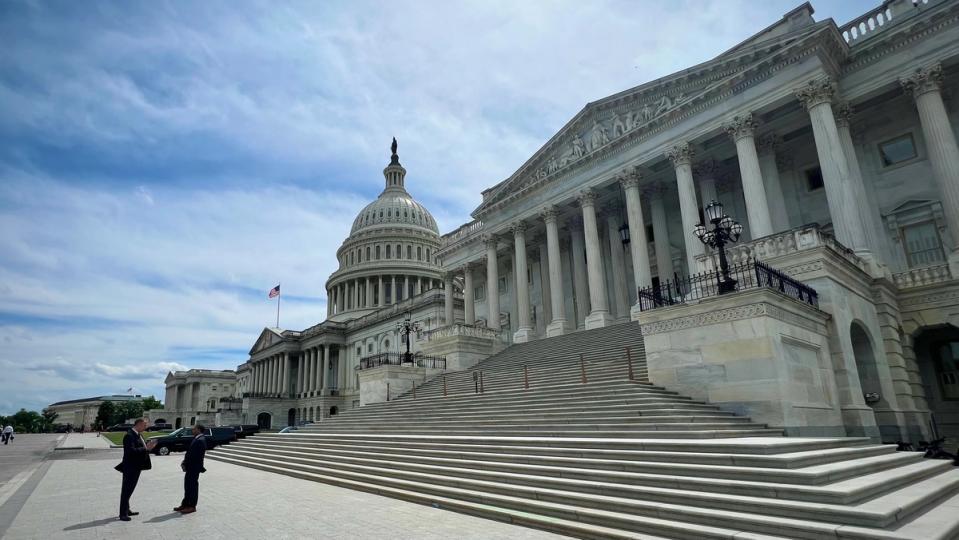
Signs of Life? New Clarity Act Draft Expected to Drop This Week
Despite the renewed momentum, significant hurdles remain before the act can be fully implemented. The outcome of this legislative push will determine whether the crypto market finds the stability it needs or continues to face a fragmented regulatory landscape.

Real Madrid Breaks World Cup Goal Record, Yet Crypto Fan Token Market Remains Silent
This muted response suggests a significant waning of investor interest in the crypto fan token sector. As the correlation between sporting achievements and token performance weakens, analysts are questioning whether the current utility of these digital assets is sufficient to sustain momentum during major global football events, potentially signaling a shift in how crypto enthusiasts engage with sports.

US Strikes in Iran Kill Telecom Official, Sending Shockwaves Through Crypto Markets
Beyond the immediate casualties, the fallout threatens to destabilize global markets and drive oil prices upward, creating a ripple effect of volatility across the crypto landscape. As geopolitical uncertainty rises, the digital asset market faces significant turbulence, testing the resilience of crypto assets in times of global crisis.

DOJ Security Breach: 'Seized' Crypto from Convicted Scammer Vanishes to Unknown Wallets
The core of the issue lies in the DOJ's failure to distinguish between a legal forfeiture order and the technical authorization required for transfers. As these funds move through unmonitored channels, the incident raises serious questions about the legal and technical protocols used to manage recovered crypto assets in high-profile criminal cases.
