DOJ Security Breach: 'Seized' Crypto from Convicted Scammer Vanishes to Unknown Wallets
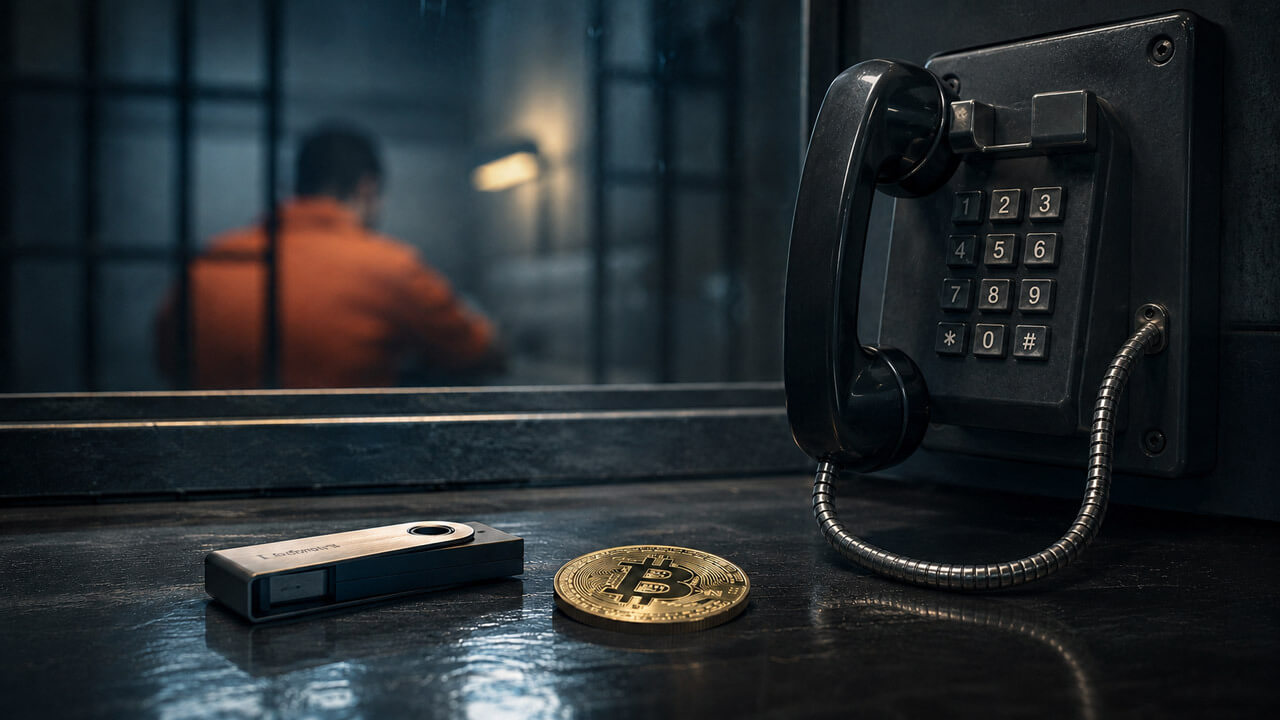
A massive oversight by the Department of Justice (DOJ) has allowed 'seized' cryptocurrency belonging to a convicted scammer to move to unknown wallets while the perpetrator remains in prison. This security lapse highlights a critical failure in the government's ability to secure digital assets following a forfeiture order.
The core of the issue lies in the DOJ's failure to distinguish between a legal forfeiture order and the technical authorization required for transfers. As these funds move through unmonitored channels, the incident raises serious questions about the legal and technical protocols used to manage recovered crypto assets in high-profile criminal cases.
A major operational failure within the U.S. Department of Justice (DOJ) has revealed that cryptocurrency intended to be seized from a convicted scammer has been transferred to unknown wallets. Despite the individual being incarcerated, the digital assets—which should have been under strict government control—were moved, exposing a significant vulnerability in the DOJ's asset management protocols.
The breakdown occurred because the DOJ failed to address the technical reality of fund authorization. While a forfeiture order may exist legally, the lack of secure control over the transfer process allowed the assets to slip away, leaving the government unable to guarantee the recovery of the stolen funds.
This is a summarized and adapted version by Artificial Intelligence. To read the complete original story, visit the official source.
Read Full Article at CryptoSlateSupport Jornal Bitcoin
Independent journalism, curated by AI, no clickbait. Keep the flame alive with any amount of BTC.
jonata@walletofsatoshi.comDaily Crypto Brief 📬
Subscribe to receive the curation of the most important Bitcoin and crypto news, summarized by AI. No spam.
Join more than 10,000 smart readers.
Related News

The $122M Heist: Interpol Targets Crypto Wallet Linked to 20-Year-Old Fraudster
Originating from a case in Thailand, this incident underscores the growing difficulty of tracking digital assets as criminals increasingly utilize cross-chain token swaps. By moving assets across different services and borders, bad actors attempt to exploit the complexity of decentralized finance to evade detection.
Signs of Life? New Clarity Act Draft Expected to Drop This Week
Despite the renewed momentum, significant hurdles remain before the act can be fully implemented. The outcome of this legislative push will determine whether the crypto market finds the stability it needs or continues to face a fragmented regulatory landscape.

US Strikes in Iran Kill Telecom Official, Sending Shockwaves Through Crypto Markets
Beyond the immediate casualties, the fallout threatens to destabilize global markets and drive oil prices upward, creating a ripple effect of volatility across the crypto landscape. As geopolitical uncertainty rises, the digital asset market faces significant turbulence, testing the resilience of crypto assets in times of global crisis.
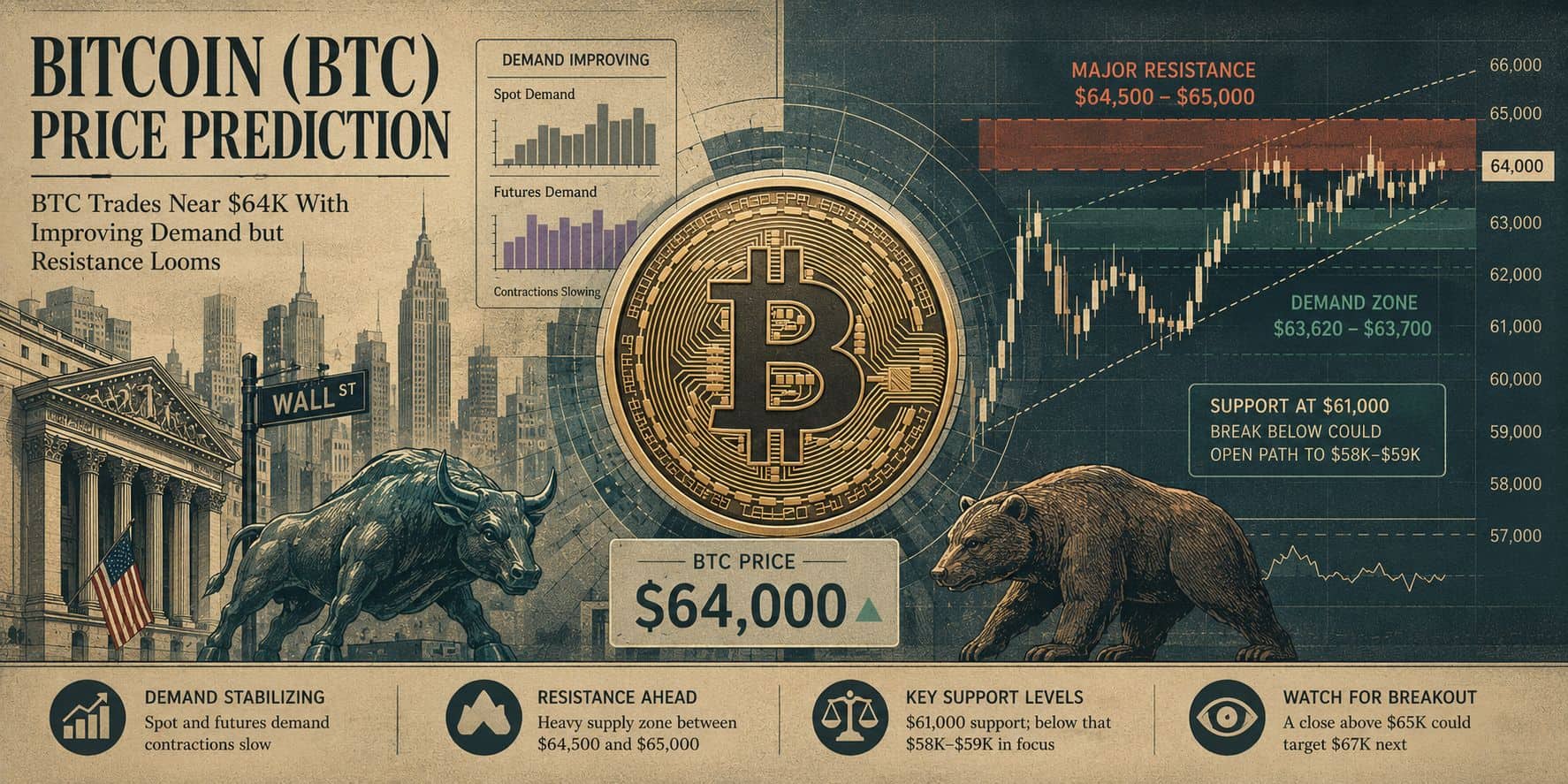
Bitcoin Price Alert: BTC Nears $64K as Demand Recovers, But Resistance Looms
However, the path to new highs is not without obstacles, as significant resistance levels remain a primary concern for traders. The ability of BTC to overcome these technical hurdles will be the deciding factor in whether the current recovery leads to a breakout or a period of consolidation.

The New Gold Rush: AI Infrastructure Surges 187% as Bitcoin Miners Ride the Wave
This convergence of AI and crypto mining provides a strategic hedge, offering more stable revenue streams amidst market volatility. Nevertheless, the transition presents significant execution hurdles and intense competition as companies race to optimize their hardware for complex AI workloads.

Geopolitical Chaos: Trump Threatens Iran with 1,000 Missiles as Bitcoin Hovers Near $64,000
This sudden escalation introduces significant macro risks to the digital asset space. As the market attempts to climb out of one of its worst months on record, the tension in the Middle East serves as a critical catalyst that could either drive Bitcoin toward a safe-haven rally or trigger a broader liquidity crunch.
