Solana Proposal Could Skyrocket Daily SOL Burns by Over 10x - Price Impact?
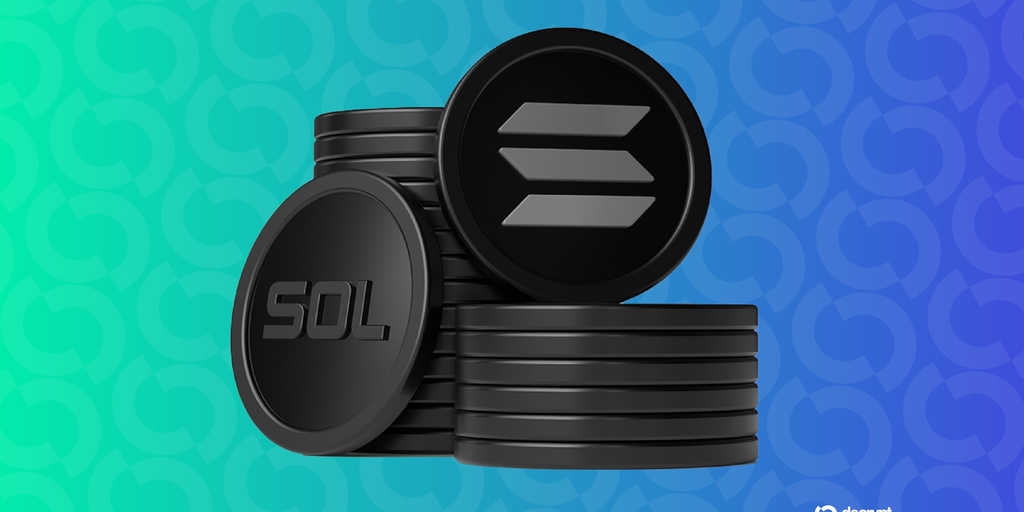
Validators on the Solana network are evaluating a radical proposal that would increase daily SOL token burns by over 10-fold while simultaneously reducing new token issuance. This significant shift in Solana's supply and demand mechanism has the potential to dramatically transform the Solana ecosystem, creating permanent deflation that could propel the token's value.
The proposal represents a bold strategic move to combat inflationary pressure and increase SOL scarcity, a move that could attract investors seeking digital assets with intrinsic deflationary properties. If approved, the change would position Solana uniquely in the cryptocurrency market, potentially increasing competition with other networks seeking more deflationary tokenomics models. The validator community is divided on implementation, with intense debates about the pros and cons of this structural change at the heart of the Solana protocol.
This is a summarized and adapted version by Artificial Intelligence. To read the complete original story, visit the official source.
Read Full Article at DecryptSupport Jornal Bitcoin
Independent journalism, curated by AI, no clickbait. Keep the flame alive with any amount of BTC.
jonata@walletofsatoshi.comDaily Crypto Brief 📬
Subscribe to receive the curation of the most important Bitcoin and crypto news, summarized by AI. No spam.
Join more than 10,000 smart readers.
Related News

AI: A More Immediate Threat to Bitcoin Than Quantum Computers
This revelation sets off a red alert for the Bitcoin community, highlighting the urgent need for more robust security solutions. AI's ability to identify patterns and vulnerabilities in hardware and software systems represents an unprecedented challenge for decentralized financial sovereignty. As the quantum race continues, the community must prioritize developing AI-resistant protocols and educating users about the risks associated with existing cryptocurrency storage solutions.
Bybit Scores Austrian EMI License, Expanding European Reach with Payment Features
The acquisition of the EMI license represents a major milestone in Bybit's regulatory compliance strategy, demonstrating the platform's commitment to European financial regulations. With this approval, Bybit Payments GmbH, the exchange's local subsidiary, can offer broader financial services to European users, potentially increasing its user base and transaction volume across the continent. This move follows a growing trend of cryptocurrency exchanges seeking to establish regulated operations in Europe to meet the requirements of the Single Euro Payments Area (SEPA).
Coldcard Wallet Flaw Costs Over $100 Million, Reignites Debate on Bitcoin Security and Entropy
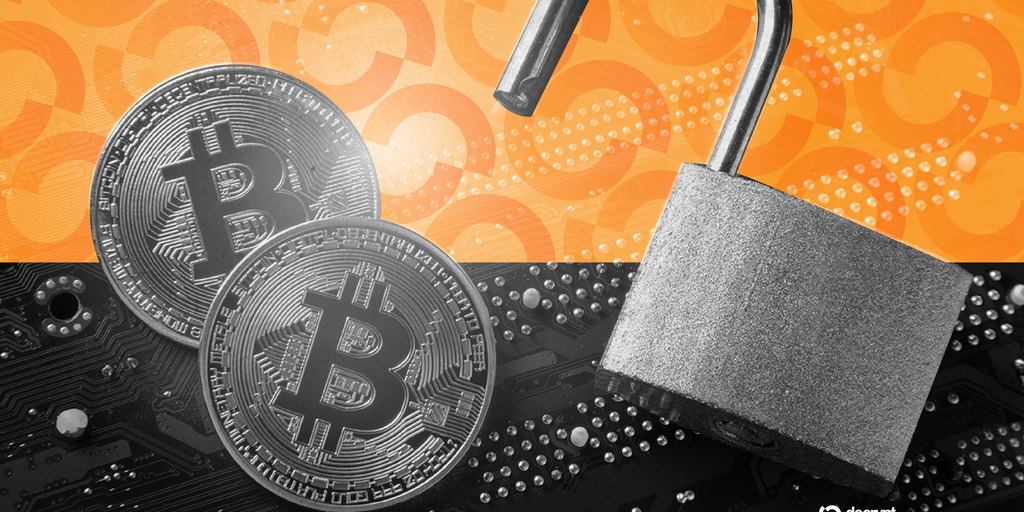
The incident has reignited an old debate about the reliability of dice and entropy generation methods in the context of hardware wallets. Experts now question whether reliance on external random data, such as dice rolls, is sufficient to ensure the security of high-value Bitcoin wallets. This case serves as a crucial warning to the cryptocurrency industry about the need for more robust security protocols and rigorous independent audits.
Hashdex Shuts Down Bitcoin ETF in US: Failure to Attract Investors Forces Closure
Binance Game Changer: Borrow Stablecoins Using Bitcoin as Collateral!
This new service offers Bitcoin holders a way to obtain liquidity in stablecoins without selling their assets, strengthening Bitcoin's position as the premier digital asset in the decentralized financial ecosystem. Binance's move demonstrates growing confidence in Bitcoin as collateral and could drive mass adoption of cryptocurrencies as traditional financial instruments, particularly benefiting markets like Brazil where demand for digital financial solutions has been growing exponentially.

Trust Wallet Overtakes MetaMask in HyperliquidX Builder Code Revenue - Market Shake-Up
The meteoric rise of Trust Wallet reflects deeper shifts in user preferences and competitive dynamics within the sector, as investors and developers reassess their wallet strategies. This development could accelerate innovation and force competitors to rethink their offerings, potentially reshaping the future of crypto access and asset management on a global scale.
