FIFA's Silent Pivot: Crypto Partnerships Surge as World Cup Job Growth Stalls

The anticipated hiring surge ahead of the 2026 FIFA World Cup has failed to materialize, highlighting significant economic complexities affecting the sports labor market. Despite this stagnation, FIFA is quietly advancing its crypto partnerships, positioning itself at the forefront of a digital revolution.
This strategic shift suggests that while traditional job growth remains muted, the integration of digital assets is becoming a priority. FIFA's crypto ventures are poised to set a massive precedent for digital innovation, potentially reshaping how global sports entities engage with blockchain technology and decentralized finance.
The expected boost in hiring for the 2026 FIFA World Cup has failed to materialize, reflecting broader economic complexities that are dampening job growth in the sports sector. While the labor market remains quiet, the narrative is shifting from physical expansion to digital integration.
Behind the scenes, FIFA's crypto ventures are quietly advancing, signaling a strategic pivot toward the digital economy. These emerging crypto partnerships could set a groundbreaking precedent for how major sporting organizations leverage blockchain and digital innovation to engage global audiences and secure new revenue streams.
This is a summarized and adapted version by Artificial Intelligence. To read the complete original story, visit the official source.
Read Full Article at Crypto BriefingSupport Jornal Bitcoin
Independent journalism, curated by AI, no clickbait. Keep the flame alive with any amount of BTC.
jonata@walletofsatoshi.comDaily Crypto Brief 📬
Subscribe to receive the curation of the most important Bitcoin and crypto news, summarized by AI. No spam.
Join more than 10,000 smart readers.
Related News
Trust Crisis: Gate.io Bleeds $207M in Net Outflows Following User Theft Incident
The prolonged outflows at Gate.io underscore a critical trust deficit within the centralized exchange sector. To stabilize, the platform must prioritize transparent security measures and enhanced user assurance protocols to address the systemic vulnerabilities exposed by this recent security breach.

Robinhood's Big Move: Everything You Need to Know About Its New Layer-2 Network
By leveraging the security of Ethereum and the scalability of Arbitrum, Robinhood Chain aims to bridge the gap between traditional finance and the blockchain. This development marks a significant milestone in the mass adoption of tokenized stocks and decentralized financial services, offering users unparalleled efficiency and liquidity.
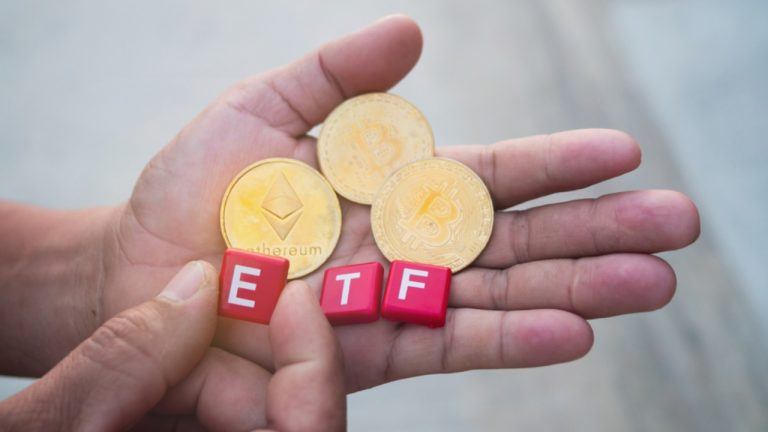
BlackRock and VanEck Drive $90 Million Bitcoin ETF Inflow in First Green Week Since May
This resurgence of green indicators extends to the broader market, with Ether funds also seeing an influx of $18.43 million. The data points to a significant shift in market momentum, suggesting that institutional investors are repositioning themselves as liquidity returns to the crypto ETF sector.

Latin American Crypto Boom: Adoption Outpacing the US with Billions in Volume
With a staggering transaction volume of $730 billion, the Latin American crypto economy now accounts for 10% of all global activity. This trend highlights a new generation of users leveraging blockchain technology to reshape the financial landscape in one of the world's fastest-growing markets.

The Haaland Effect: Football Star Ignites Frenzy in Sports-Linked Crypto Assets
This trend underscores the growing impact of celebrity influence on market movements, specifically regarding speculative investments in digital assets. As Haaland's global profile rises, the correlation between sports stardom and the valuation of niche crypto tokens becomes a critical focal point for traders monitoring the sports-crypto nexus.

Global Oil Demand Drops for First Time Since 2020: A Massive Win for Crypto Miners?
Crypto miners are closely monitoring this development, as lower energy costs directly impact the profitability of energy-intensive operations. As the global energy market adjusts, the potential for reduced overhead could provide a strategic advantage for Bitcoin mining and the broader cryptocurrency infrastructure.
