Senator Gallego Slams Trump-Backed CLARITY Act as 'Not a Serious Effort'
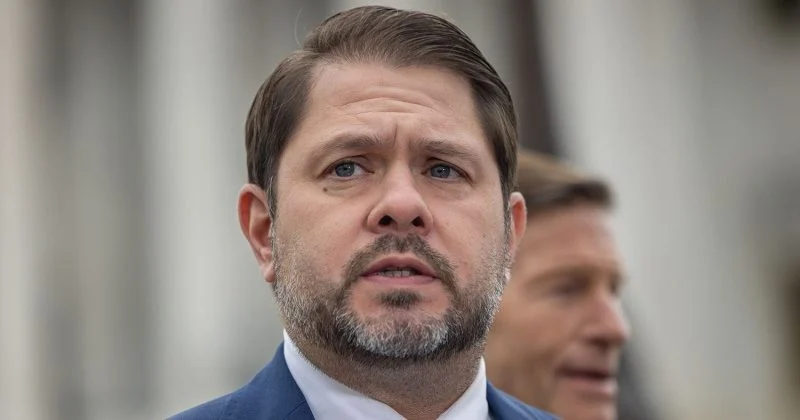
Political friction is intensifying in Washington as Senator Gallego denounces the Trump-backed CLARITY Act, labeling it an unserious attempt at regulation. This direct confrontation underscores the deep ideological divide regarding the future of digital asset oversight.
Despite the CLARITY Act being signed into law in 2026 with a 37.5% approval rate, Gallego's dismissal suggests significant flaws in its framework. The ongoing debate over crypto regulation and legislative efficacy remains a critical focal point for market stability and institutional adoption.
Senator Gallego has publicly criticized the CLARITY Act, a piece of legislation backed by Donald Trump, calling it a 'not a serious effort.' The criticism highlights the ongoing struggle to establish meaningful regulatory frameworks for the blockchain industry. Although the CLARITY Act was signed into law in 2026 with a 37.5% 'YES' vote, the backlash from lawmakers like Gallego suggests that the law may fail to provide the robust legal certainty the crypto market demands.
This is a summarized and adapted version by Artificial Intelligence. To read the complete original story, visit the official source.
Read Full Article at Crypto BriefingSupport Jornal Bitcoin
Independent journalism, curated by AI, no clickbait. Keep the flame alive with any amount of BTC.
jonata@walletofsatoshi.comDaily Crypto Brief 📬
Subscribe to receive the curation of the most important Bitcoin and crypto news, summarized by AI. No spam.
Join more than 10,000 smart readers.
Related News
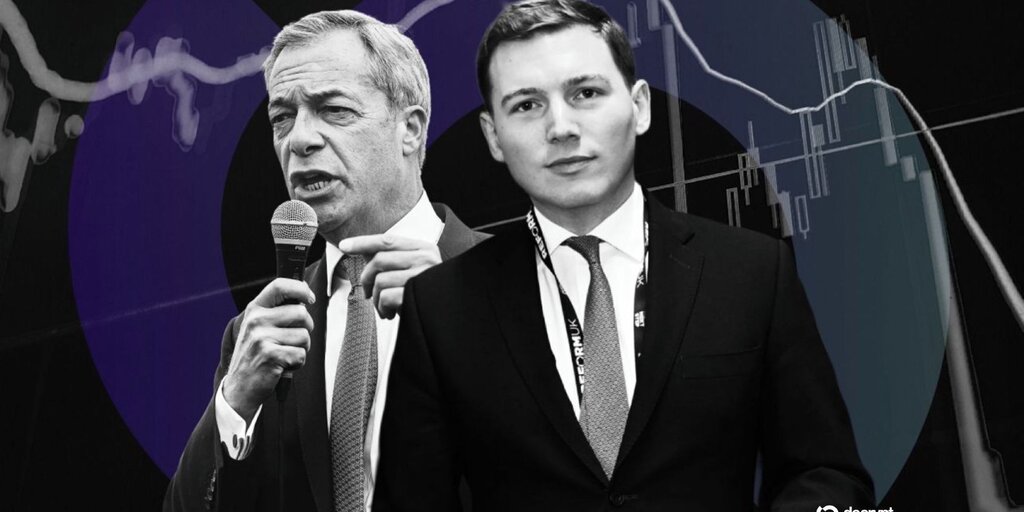
Polymarket Mystery: Account Linked to Farage Backer Moves $9M in Crypto from Unknown Sources
This development underscores the growing scrutiny regarding transparency and potential money laundering within prediction markets. As large-scale crypto movements intersect with high-profile political outcomes, the inability to verify the source of funds poses a significant challenge to the perceived legitimacy of decentralized betting platforms.
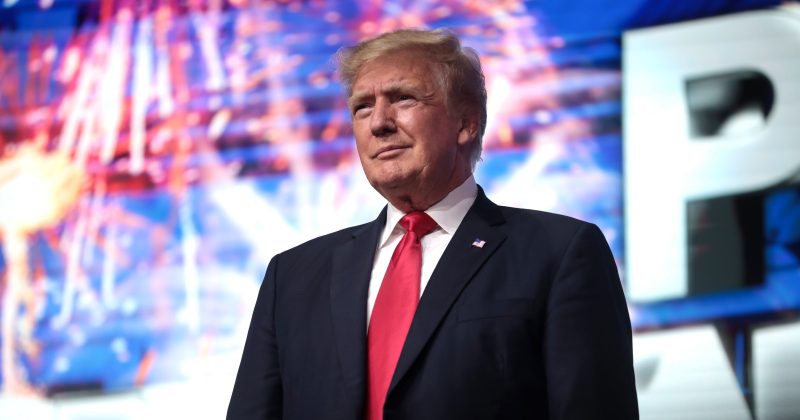
Geopolitical Shockwave: Trump Threatens to Seize Iranian Assets Amid Rising Tensions
Beyond the immediate threat, the market is weighing the long-term consequences of potential reconstruction funding deals projected for 2026. As US-Iran tensions intensify, the intersection of political brinkmanship and global financial stability remains a critical focal point for institutional investors.
Polymarket Shakeup: J.D. Vance Surges to 2028 Lead as Trump Odds Plummet
The implications of this trend suggest a growing focus on the next generation of GOP leadership, especially as Trump pivots his attention toward consolidating party unity in key battleground races. As political volatility continues, the dominance of Vance on Polymarket serves as a high-signal indicator for those tracking long-term political shifts through decentralized forecasting.
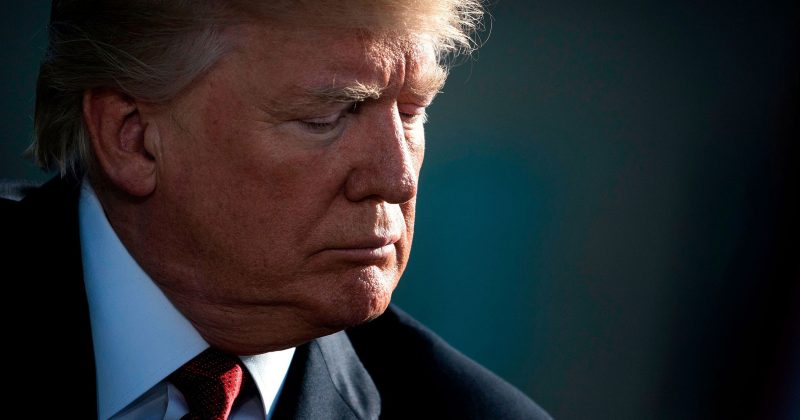
Geopolitical Flashpoint: Trump Warns Iran Over Houthi Attacks
This aggressive stance comes amidst discussions of a potential U.S.-Iran deal involving reconstruction funding slated for 2026. The interplay between military threats and diplomatic negotiations creates significant volatility, potentially influencing risk appetite across both traditional and digital asset markets.

Trump Threatens to Seize Frozen Iranian Assets for Shipping Damage Claims
The threat coincides with emerging projections regarding a potential US-Iran deal in 2026, which could involve funding for Iranian reconstruction. As market participants weigh the implications of these sanctions-driven tactics, the volatility surrounding frozen assets and international settlements remains a critical factor for global economic stability and risk assessment.
Clarity Act Stalled: Senators Hunt Compromise Over Trump-Linked Ethics Rules
As lawmakers clash over the specifics of these ethics rules, the broader impact on market stability looms large. The outcome of this negotiation will determine whether the United States can establish a cohesive legal structure for crypto or if political disputes will continue to fuel regulatory uncertainty.
