Polymarket Shakeup: J.D. Vance Surges to 2028 Lead as Trump Odds Plummet
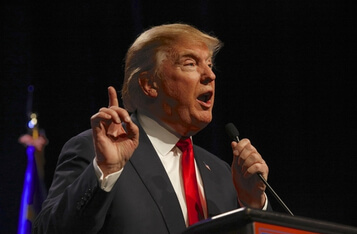
Latest data from the Polymarket prediction market reveals a massive shift in political sentiment, with J.D. Vance leading the 2028 presidential race at 19.85%, while Donald Trump sits at a mere 1.35%. This dramatic divergence highlights a significant realignment of expectations within the prediction market ecosystem.
The implications of this trend suggest a growing focus on the next generation of GOP leadership, especially as Trump pivots his attention toward consolidating party unity in key battleground races. As political volatility continues, the dominance of Vance on Polymarket serves as a high-signal indicator for those tracking long-term political shifts through decentralized forecasting.
According to recent data from the Polymarket prediction platform, J.D. Vance has taken a commanding lead for the 2028 presidency with a 19.85% probability, contrasting sharply with Donald Trump's 1.35% standing. This shift marks a notable moment in political forecasting.
In parallel, domestic political maneuvering is heating up. Following the loss of his initial Georgia gubernatorial pick in the GOP primary, Donald Trump has shifted his endorsement to nominee Rick Jackson, calling for party unity ahead of a high-stakes battleground race in 2026.
This is a summarized and adapted version by Artificial Intelligence. To read the complete original story, visit the official source.
Read Full Article at Blockchain.newsSupport Jornal Bitcoin
Independent journalism, curated by AI, no clickbait. Keep the flame alive with any amount of BTC.
jonata@walletofsatoshi.comDaily Crypto Brief 📬
Subscribe to receive the curation of the most important Bitcoin and crypto news, summarized by AI. No spam.
Join more than 10,000 smart readers.
Related News
Geopolitical Flashpoint: Trump Warns Iran Over Houthi Attacks
This aggressive stance comes amidst discussions of a potential U.S.-Iran deal involving reconstruction funding slated for 2026. The interplay between military threats and diplomatic negotiations creates significant volatility, potentially influencing risk appetite across both traditional and digital asset markets.

Trump Threatens to Seize Frozen Iranian Assets for Shipping Damage Claims
The threat coincides with emerging projections regarding a potential US-Iran deal in 2026, which could involve funding for Iranian reconstruction. As market participants weigh the implications of these sanctions-driven tactics, the volatility surrounding frozen assets and international settlements remains a critical factor for global economic stability and risk assessment.
Market Shock: Polymarket Predicts 84% Odds of Zero Fed Rate Cuts in 2026
The shift follows a sharp U.S. stock selloff and a surge in Treasury yields, exacerbated by escalating Middle East conflicts that drove oil prices higher. As fed funds futures adjust to these new realities, the implications for liquidity and risk assets remain a critical focal point for traders worldwide.
Clarity Act Stalled: Senators Hunt Compromise Over Trump-Linked Ethics Rules
As lawmakers clash over the specifics of these ethics rules, the broader impact on market stability looms large. The outcome of this negotiation will determine whether the United States can establish a cohesive legal structure for crypto or if political disputes will continue to fuel regulatory uncertainty.
Geopolitical Gambit: Trump Ties Saudi Nuclear Deal to Israel Normalization
The implications of this linkage extend far beyond diplomacy, potentially altering global market stability and geopolitical risk profiles. As the administration pushes for a new regional order, the intersection of Saudi nuclear ambitions and Israeli normalization could redefine international security frameworks and influence long-term economic trends in the energy sector.

“Piece of Shit”: Democratic Senator Blasts GOP’s Crypto Ethics Proposal
The Digital Asset Market Clarity (CLARITY) Act aims to prohibit all US federal officials, including President Donald Trump, from issuing or sponsoring any digital assets. Despite this, Democrats argue the framework is fundamentally flawed, setting the stage for a legislative showdown as they prepare a counterproposal to ensure robust ethics and market integrity.
