End of State Crypto? Senate Reviews Bill Banning Presidential Digital Currencies
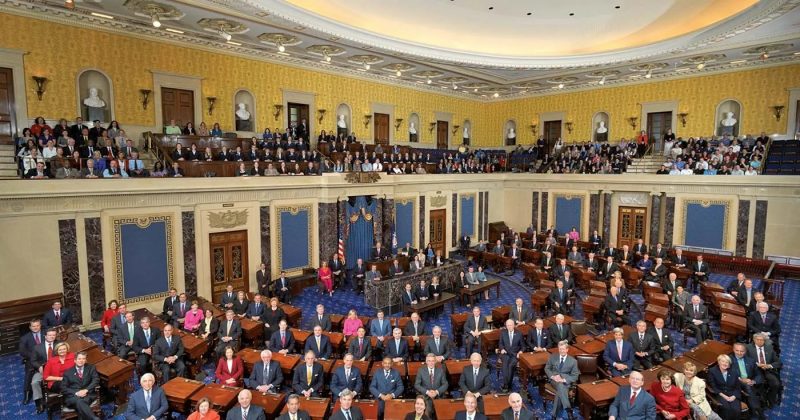
The U.S. Senate is officially reviewing a landmark bill designed to ban presidents from issuing their own cryptocurrencies. This legislative push aims to safeguard the decentralized nature of the crypto market by preventing executive interference through state-controlled digital assets.
As the regulatory landscape shifts, market sentiment remains bullish on decentralized alternatives. Speculation is mounting that the push for decentralization could propel Bitcoin toward a staggering $200,000 by December 31, 2026, as investors seek refuge from potential government-led monetary manipulation.
The Senate is currently reviewing a bill that would prohibit presidents from issuing their own cryptocurrencies. The legislation seeks to draw a hard line between government authority and the digital asset ecosystem. Amidst these regulatory developments, market forecasts continue to capture headlines, with a 2.1% probability noted for Bitcoin to reach the $200,000 milestone by December 31, 2026, highlighting the intense anticipation surrounding the asset's long-term trajectory.
This is a summarized and adapted version by Artificial Intelligence. To read the complete original story, visit the official source.
Read Full Article at Crypto BriefingSupport Jornal Bitcoin
Independent journalism, curated by AI, no clickbait. Keep the flame alive with any amount of BTC.
jonata@walletofsatoshi.comDaily Crypto Brief 📬
Subscribe to receive the curation of the most important Bitcoin and crypto news, summarized by AI. No spam.
Join more than 10,000 smart readers.
Related News

Crypto Game-Changer: Senator Lummis Unveils Full Text of the CLARITY Act
The impact of the CLARITY Act extends far beyond simple compliance; it is a blueprint for institutional integration. By establishing clear rules for blockchain technology and digital assets, this act could trigger a massive influx of institutional liquidity and solidify the long-term legitimacy of the crypto ecosystem.

Institutional Surge: Bitcoin ETFs Surpass $80 Billion as Inflows Hit $203M
Market demand is broadening significantly as capital flows into Ether, XRP, and Solana funds, signaling a shift toward diversified crypto ETF exposure. While Bitcoin remains the primary driver, the influx of fresh capital across multiple assets underscores a robust and maturing institutional appetite for the broader crypto ecosystem.
Small But Mighty: Why Crypto's Tiny US Workforce Outperforms the Market
By punching above its weight, the crypto sector demonstrates an unprecedented level of productivity compared to traditional industries. This efficiency suggests that as institutional adoption accelerates, the industry's influence will continue to grow, regardless of the relatively low headcount in the US labor market.

Tesla Holds Steady on Bitcoin Treasury Despite $112M Impairment Loss
This financial update comes amidst mixed earnings for the EV giant, which beat revenue forecasts but missed on profit targets. Investors are closely monitoring how Tesla's Bitcoin holdings and overall crypto exposure will influence its long-term balance sheet stability.
Tax War: Crypto Industry Launches Landmark Legal Battle Against Illinois Digital Asset Tax
This legal showdown carries massive implications for the future of crypto taxation and the broader digital economy. A victory for the challengers could dismantle discriminatory tax frameworks and set a powerful precedent for how decentralized technologies are treated by state-level authorities across the United States.
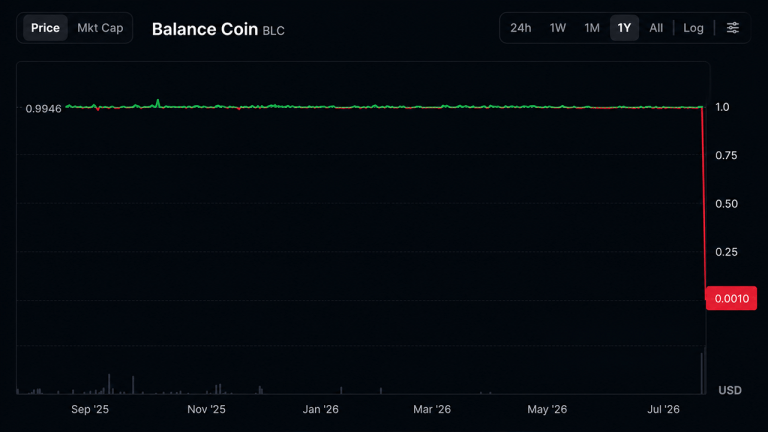
Stablecoin Carnage: BLC Crashes 99% Following Massive Oracle Manipulation Exploit
Security giants Peckshield and Slowmist have verified the exploit, highlighting the persistent vulnerabilities inherent in decentralized finance protocols. This crash underscores the systemic risks posed by oracle manipulation and the precarious nature of algorithmic stablecoins when faced with targeted liquidity attacks.
